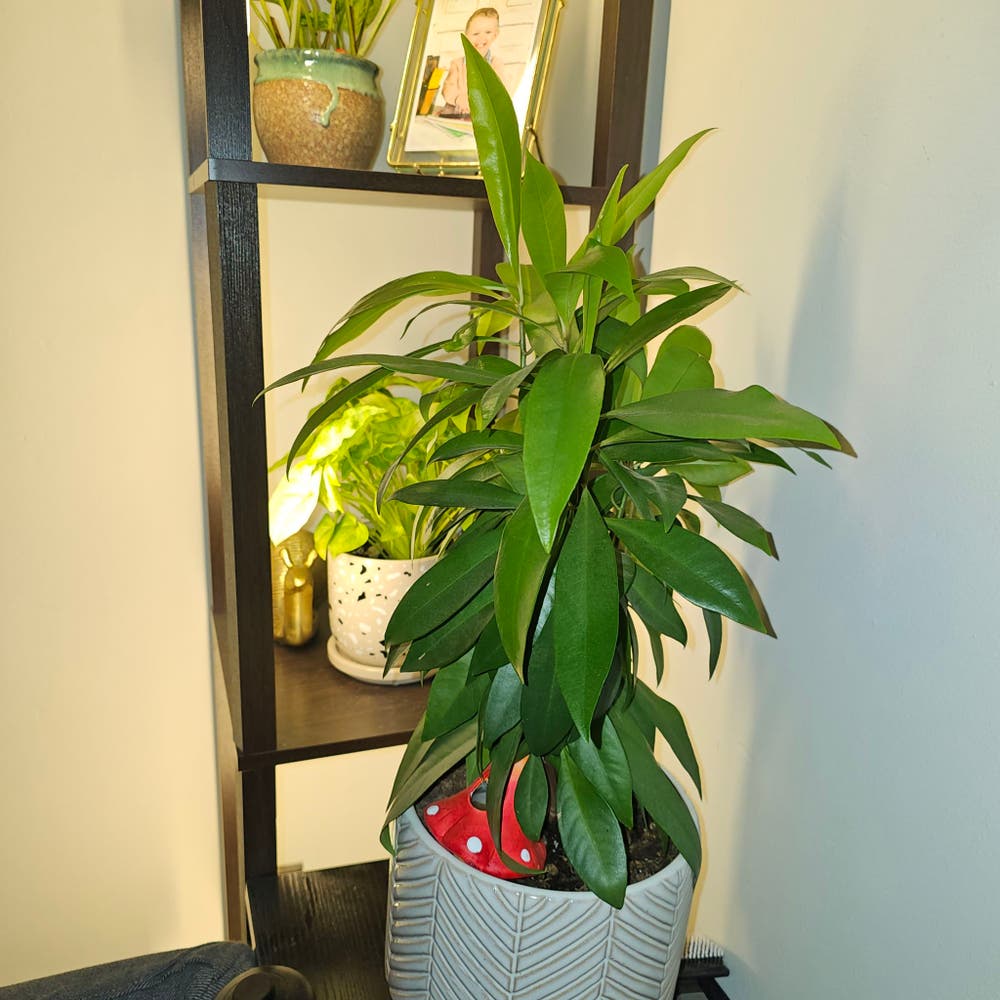
Best Size and Type of Pot for Ardisia 🪴
Ardisia awarum
By the Greg Editorial Team
Nov 26, 2024•6 min read
This article was created with the help of AI so we can cover more plants for you. May contain errors. See one? Report it here.
Unlock your Ardisia's full potential 🌱 by mastering the art of choosing the perfect pot size and material!
- 🌱 Seedlings thrive in 4-6 inch pots, transitioning to larger sizes as they grow.
- 🏺 Clay pots enhance air circulation, while plastic pots retain moisture for healthy roots.
- 🚨 Upgrade pot size when roots emerge from drainage holes or growth stalls.
Appropriate Pot Sizes
For Seedlings 🌱
When starting with seedlings, choose pots that are 4-6 inches in diameter. Shallow pots are ideal as they accommodate the shallow root systems typical of young plants.
As seedlings grow and develop 2-3 sets of true leaves, it's time to transition them into larger pots, specifically 6-8 inches in diameter. This ensures they have enough space to thrive.
For Mature Plants 🌳
Mature Ardisia plants require different pot sizes based on their height. For small shrubs that are 1-2 feet tall, opt for 8-10 inch pots.
Medium-sized plants, ranging from 2-3 feet tall, do best in 10-12 inch pots. Larger specimens, those over 3 feet tall, should be placed in pots that are 12-16 inches in diameter.
It's crucial to consider pot depth as well; adequate depth supports root growth while preventing water retention issues.
Adjusting Pot Size as the Plant Grows 📏
Recognizing when to upgrade your pot size is essential for plant health. Signs include roots emerging from drainage holes or noticeable stunted growth.
A good rule of thumb is to increase the pot size by 2 inches in diameter with each growth stage transition. Spring is the best time for repotting, aligning with the plant's active growth period.
Transitioning to the next section, understanding pot materials will further enhance your ability to care for your Ardisia effectively.
Pot Materials
Benefits of Clay Pots 🌱
Clay pots are a gardener's best friend, thanks to their natural porosity. This feature allows for better air circulation and moisture evaporation, which is crucial for healthy root systems.
Their weight also provides stability, making them ideal for taller plants that might otherwise topple over. Plus, the earthy aesthetic of clay pots adds a touch of natural beauty to your plant display.
Advantages of Plastic Pots 💨
On the other hand, plastic pots shine in their lightweight design. This makes them incredibly easy to move around, which is perfect for those who like to rearrange their plant setups frequently.
They are also cost-effective, typically being less expensive than clay options. With a wide variety of colors and designs available, plastic pots offer endless possibilities for container gardening.
Comparison of Other Materials ⚖️
Ceramic
Ceramic pots are known for their attractive designs and good moisture retention. However, they can be heavier and more prone to cracking, which might be a concern for some gardeners.
Metal
Metal pots bring a modern flair to your plant collection. While they are durable, they can heat up quickly, potentially harming the roots if not monitored carefully.
Choosing the right pot material is essential for the health and aesthetic of your plants. Each option has its pros and cons, so consider your specific needs and preferences when making a selection.
As you explore pot materials, keep in mind how they can impact your plants' growth and overall health. Next, let’s dive into the importance of drainage and how it affects your plants.
Importance of Drainage
🕳️ Role of Drainage Holes
Drainage holes are crucial for the health of your Ardisia plants. They prevent waterlogging and root rot, which can quickly turn your thriving plant into a wilting mess.
For optimal drainage, it's recommended to have at least 3-5 drainage holes in your pot. This ensures excess water can escape, keeping the roots happy and healthy.
🌱 How Drainage Affects Plant Health
Good drainage is a game-changer for root development. It allows roots to breathe and prevents fungal diseases that thrive in soggy conditions.
On the flip side, poor drainage can lead to yellowing leaves and wilting. If your plant looks sad, it might be time to check the drainage situation.
🚨 Signs of Poor Drainage
Keep an eye out for signs that drainage isn't up to par. Water pooling on the surface is a clear indicator that something's off.
Other warning signs include a foul odor coming from the soil and root rot symptoms, such as black, mushy roots and stunted growth. Addressing these issues promptly can save your plant from further distress.
Understanding the importance of drainage will set you on the right path for nurturing your Ardisia. Next, let’s explore when and how to repot your plants for continued growth and vitality.
Repotting
When to Repot 🌱
Repotting is essential for maintaining healthy plants. Look for signs like roots pushing through drainage holes or soil that feels compacted and depleted of nutrients.
For mature plants, aim to repot every 1-2 years. Seedlings, being more dynamic, may need repotting more frequently as they grow.
Choosing the Right Pot 🪴
Selecting the right pot is crucial for your plant's health. Follow the size guidelines based on the growth stage to ensure your plant has enough space to thrive.
Consider material preferences as well. Clay pots offer stability, while plastic pots provide ease of handling and a variety of designs.
Step-by-Step Guide to Repotting 🛠️
Repotting doesn't have to be daunting. Follow these simple steps for a smooth transition:
- Prepare the new pot: Ensure it has adequate drainage holes.
- Remove the plant: Gently loosen the root ball from the old pot.
- Inspect the roots: Trim any damaged or rotten roots to promote healthy growth.
- Add potting soil: Fill the new pot with well-draining potting soil suitable for your plant.
- Position the plant: Place the root ball in the center and fill around it with soil.
- Water thoroughly: Ensure the soil is moist but not soggy to prevent root rot.
Repotting can be a refreshing experience for both you and your plant. With the right approach, your Ardisia will flourish in its new home, setting the stage for vibrant growth and health. Now that you know how to repot, let’s explore the impact of pot choice on growth.
Impact of Pot Choice on Growth
How Size Influences Growth 🌱
Choosing the right pot size is crucial for your Ardisia's health. Larger pots allow for more root expansion, which leads to healthier plants that can thrive.
Conversely, small pots can restrict growth and create stress for your plant. This limitation can stunt development and lead to a host of issues down the line.
Effects of Material on Moisture Retention 💧
The material of your pot also plays a significant role in moisture retention. Clay pots dry out faster, which means you'll need to water more frequently to keep your plant happy.
On the other hand, plastic pots retain moisture longer, making them easier to maintain but potentially leading to overwatering if you're not careful. Monitoring is key to finding the right balance.
Long-Term Health Considerations 🩺
Regular monitoring of your plant's health is essential. Check the roots and soil moisture levels to ensure your Ardisia is thriving.
Selecting the right pot can prevent common issues like root rot and promote vigorous growth. A little attention goes a long way in keeping your plant healthy and flourishing.
As you consider your pot choices, remember that the right size and material can make all the difference in your plant's journey. Next, let's explore the importance of drainage and how it impacts your Ardisia's overall health.
⚠️ Safety First
This content is for general information and may contain errors, omissions, or outdated details. It is not medical, veterinary advice, or an endorsement of therapeutic claims.
Always consult a qualified healthcare professional before using any plant as food, medicine, or supplement.
Never eat any plant (or feed one to pets) without confirming its identity with at least two trusted sources.
If you suspect poisoning, call Poison Control (800) 222-1222, the Pet Poison Helpline (800) 213-6680, or your local emergency service immediately.
Spotted an error? Please report it here.
Get your Ardisia thriving in the perfect pot 🪴 by using Greg's tailored reminders and expert tips to keep your plant's roots happy and healthy!