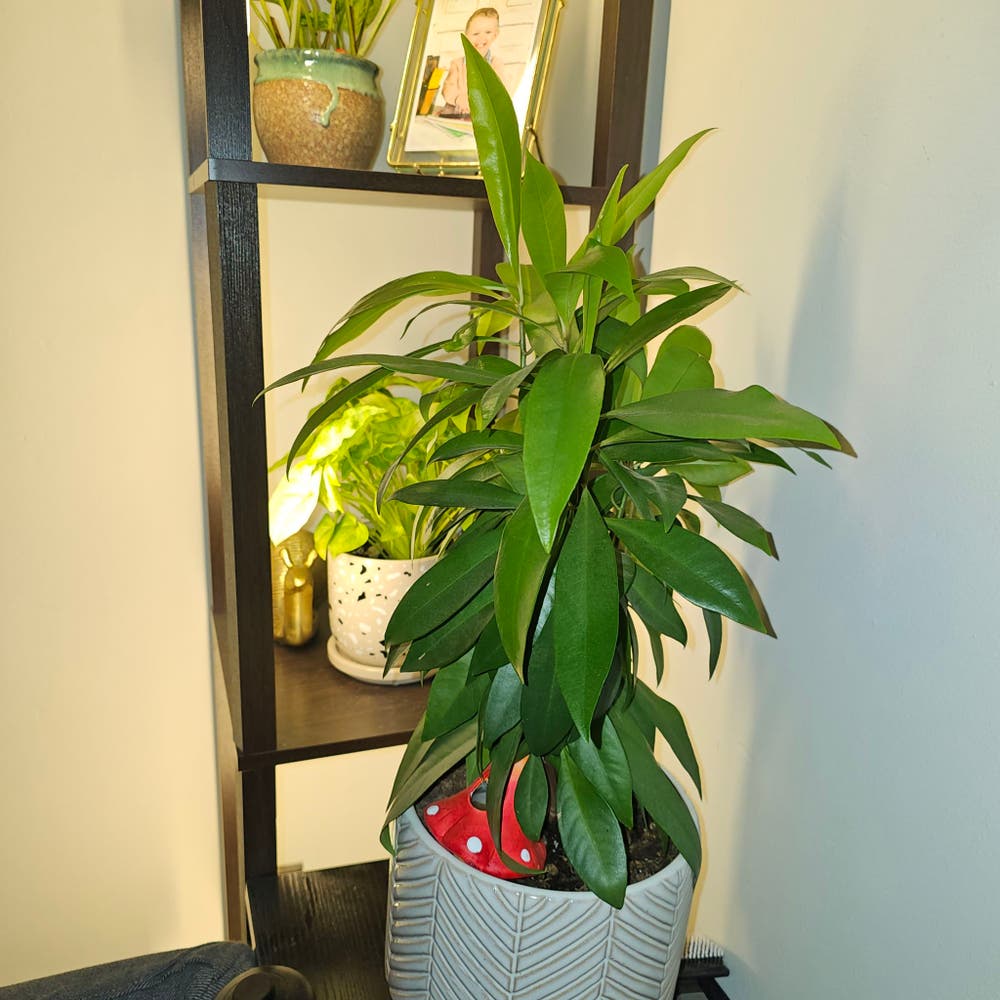
Reasons Why Your Ardisia Won't Flower
Ardisia awarum
By the Greg Editorial Team
Nov 26, 2024•6 min read
This article was created with the help of AI so we can cover more plants for you. May contain errors. See one? Report it here.
Master the art of nurturing Ardisia 🌼 for stunning blooms by optimizing light, nutrition, and care techniques!
- 🌞 Ardisia needs 12-14 hours of bright, indirect light to bloom successfully.
- 🌱 Nutrient imbalances and deficiencies can hinder flowering; regular fertilization is essential.
- 🌬️ Stable temperatures and humidity are crucial to prevent stress and encourage blooming.
Failure to Bloom
🌱 Causes of Flowering Failure
Insufficient Light
One of the primary reasons your Ardisia may not be blooming is insufficient light. Bright, indirect light is crucial for flower production; without it, you might notice leggy growth and pale leaves.
Improper Nutrition
Nutrient imbalances can also hinder blooming. If your plant shows symptoms like yellowing leaves or stunted growth, it might be lacking essential nutrients.
Environmental Stress
Sudden changes in temperature or humidity can stress your Ardisia, leading to flowering failure. Watch for signs like wilting or leaf drop, which indicate your plant is struggling.
🌼 Solutions to Encourage Blooming
Adjusting Light Exposure
To encourage blooming, aim for 12-14 hours of bright, indirect light each day. You can increase light exposure by relocating your plant to a sunnier spot or using grow lights.
Fertilization Tips
Using a balanced NPK fertilizer can significantly impact flower production. Apply it every 4-6 weeks during the growing season to ensure your plant receives the nutrients it needs.
Stress Management
Gradually acclimatizing your Ardisia to new environments can help reduce stress. Additionally, keep a close eye on temperature and humidity levels to create a stable environment for your plant.
By addressing these common causes and implementing effective solutions, you can help your Ardisia thrive and bloom beautifully. Next, we will explore the issue of premature flower drop and how to prevent it.
Premature Flower Drop
🌊 Causes of Premature Flower Drop
Overwatering
Overwatering is a common culprit behind premature flower drop in Ardisia. Signs include yellowing leaves and root rot, which weaken the plant's stems and lead to bud drop.
Sudden Temperature Changes
Sudden shifts in temperature can destabilize your plant's flowers. Ideally, Ardisia thrives in temperatures between 65°F to 80°F (18°C to 27°C), so be mindful of drafts or heat sources that could disrupt this balance.
Pest Infestations
Pests like aphids and spider mites can wreak havoc on your Ardisia. Look for symptoms such as distorted leaves and visible insects, which indicate that your plant is under attack.
🛠️ Solutions to Prevent Flower Drop
Watering Techniques
To prevent overwatering, allow the top inch of soil to dry out before watering again. Using pots with drainage holes is crucial for ensuring excess water can escape, keeping your plant healthy.
Temperature Regulation
Maintaining stable indoor temperatures is vital for your Ardisia's well-being. Avoid placing your plant near heating vents or air conditioning units to prevent temperature fluctuations.
Pest Control Methods
Regular inspections are key to early detection of pests. If you spot any, treatment options like insecticidal soap or neem oil can effectively manage infestations and protect your flowers.
By addressing these factors, you can help your Ardisia retain its blooms and thrive in your care. Next, let’s explore the abnormal flower development that can occur when your plant faces other challenges.
Abnormal Flower Development
🌱 Causes of Abnormal Flower Development
Nutrient Deficiencies
Nutrient deficiencies can significantly impact your Ardisia's ability to produce healthy flowers. Key nutrients like phosphorus and potassium are essential for vibrant blooms; without them, you may notice poor flower size and color changes.
Improper Pruning
Improper pruning can also hinder flower development. If you prune at the wrong time or use incorrect techniques, it can affect bud formation, leading to reduced flowering and weak growth.
Disease
Diseases, particularly fungal infections, can wreak havoc on your plant's flowers. Symptoms like discolored or wilting flowers are telltale signs that your Ardisia may be suffering from a disease.
🌼 Solutions for Healthy Flower Development
Soil Testing
To ensure your plant gets the nutrients it needs, conduct regular soil testing. This will help you identify nutrient levels and guide you in selecting the right soil amendments based on the test results.
Proper Pruning Techniques
Adopting proper pruning techniques is crucial for healthy flower development. The best practice is to prune after flowering and remove any dead or damaged stems, using clean, sharp pruning shears to avoid introducing disease.
Disease Management
Managing disease is vital for maintaining flower health. Preventative measures include ensuring good air circulation around your plant, while treatment options like fungicides and removing infected plant parts can help combat existing issues.
By addressing these factors, you can encourage your Ardisia to develop beautiful, healthy flowers. Next, let’s explore how environmental factors and pests can further influence your plant's blooming success.
Impact of Light and Nutrition on Flowering
🌞 Light's Role in Flowering
Light is essential for photosynthesis, the process that fuels plant growth and flower production. Without adequate light, your Ardisia may struggle to bloom, leading to disappointing results.
The quality and duration of light exposure significantly influence blooming. Bright, indirect light for 12-14 hours daily is ideal for encouraging flower development. If your plant isn't getting enough light, you might notice leggy growth or pale leaves, signaling that it's time to adjust its location or consider using grow lights.
🍽️ Nutritional Needs for Flowering
Nutritional balance is crucial for healthy flower development in Ardisia. Key nutrients like phosphorus and potassium play vital roles in promoting vibrant blooms.
To ensure your plant thrives, use a balanced NPK fertilizer every 4-6 weeks during the growing season. This regular feeding helps prevent nutrient deficiencies, which can lead to poor flower size and color changes. By paying attention to both light and nutrition, you can create the perfect environment for your Ardisia to flourish.
As we explore the next section, we'll delve into how environmental factors and pests can further impact your plant's flowering success.
Environmental Factors and Pests
🌤️ Environmental Conditions
Creating the right environment for your Ardisia is crucial for its blooming success. Ideally, these plants thrive in humidity levels between 50% to 70% and temperatures ranging from 65°F to 80°F (18°C to 27°C).
Maintaining consistent humidity helps prevent stress, which can lead to flower drop. Additionally, ensure that the soil is well-draining yet retains some moisture, as overly dry or soggy conditions can hinder flowering.
🐜 Pests and Diseases
Pests can wreak havoc on your Ardisia, so vigilance is key. Common culprits include aphids and spider mites, which can cause distorted leaves and visible damage.
To keep your plant healthy, conduct regular inspections. If you spot pests, consider using insecticidal soap or neem oil as effective treatment options. Preventative measures, like maintaining good air circulation, can also help ward off diseases that might affect your plant's flowers.
By addressing environmental conditions and keeping pests at bay, you can create a flourishing habitat for your Ardisia, setting the stage for vibrant blooms. Next, we’ll explore how light and nutrition play pivotal roles in supporting your plant’s flowering potential.
⚠️ Safety First
This content is for general information and may contain errors, omissions, or outdated details. It is not medical, veterinary advice, or an endorsement of therapeutic claims.
Always consult a qualified healthcare professional before using any plant as food, medicine, or supplement.
Never eat any plant (or feed one to pets) without confirming its identity with at least two trusted sources.
If you suspect poisoning, call Poison Control (800) 222-1222, the Pet Poison Helpline (800) 213-6680, or your local emergency service immediately.
Spotted an error? Please report it here.
Unlock your Ardisia's blooming potential 🌸 by using Greg's tailored care tips and reminders to ensure it gets the light and nutrients it craves!