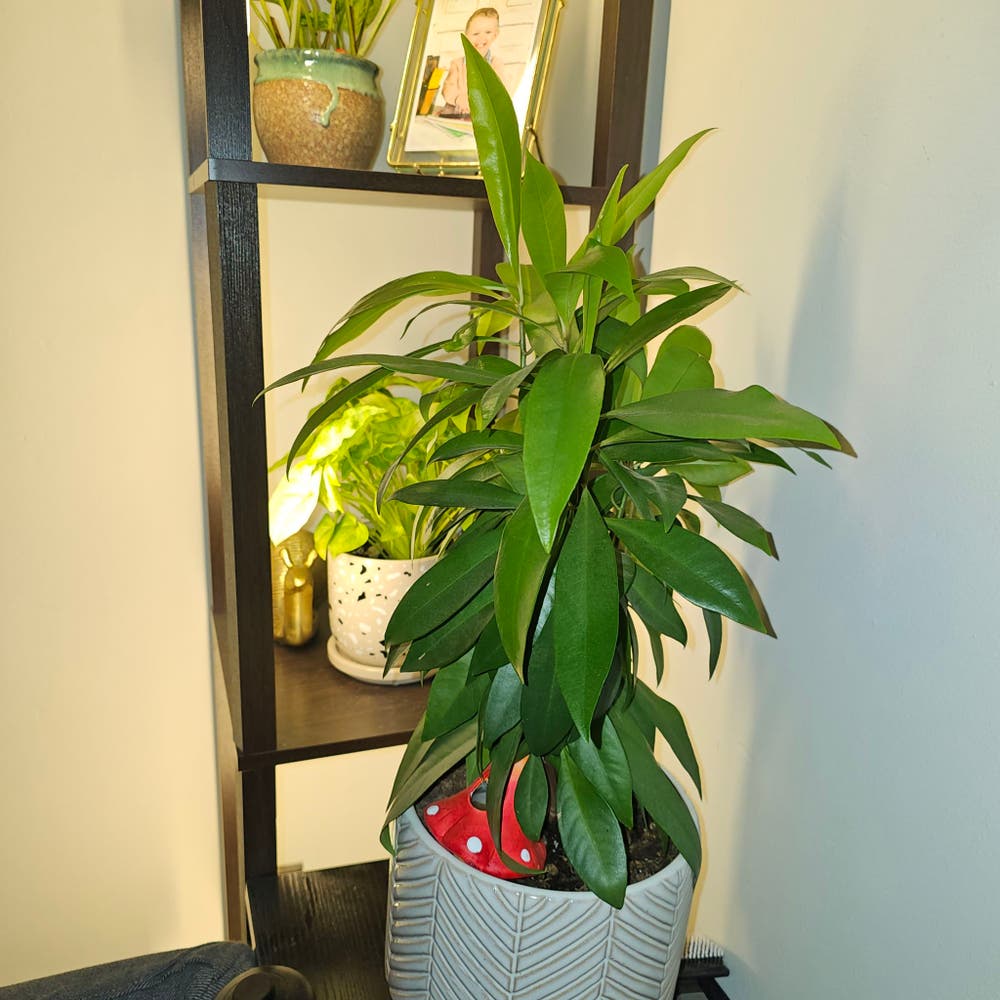
🔍 How to Cure Black Spots on Your Ardisia
Ardisia awarum
By the Greg Editorial Team
Nov 26, 2024•5 min read
This article was created with the help of AI so we can cover more plants for you. May contain errors. See one? Report it here.
Revive your Ardisia's vitality 🌱 by learning to diagnose and treat black spots effectively for thriving plants!
- 🔍 Inspect leaves thoroughly for pests and symptoms to diagnose black spots effectively.
- 🌱 Maintain humidity between 60-80% and temperatures of 18-24°C for optimal health.
- 🧴 Use fungicides or natural remedies like neem oil to treat fungal issues effectively.
Diagnosing Black Spots
👀 Visual Inspection Techniques
To effectively diagnose black spots on your Ardisia, start with a thorough visual inspection. Examine the leaf surfaces for any color changes, texture variations, or distinct spot patterns that could indicate underlying issues.
Don't forget to check the undersides of the leaves as well. This area can hide pests or additional symptoms that may not be visible from the top.
🌍 Assessing Environmental Factors
Next, consider the environmental factors affecting your plant. Ensure that your Ardisia is receiving indirect light exposure, as direct sunlight can lead to leaf burn and exacerbate black spots.
Humidity levels are also crucial; aim for a range of 60-80%. Additionally, maintain temperatures between 18°C to 24°C (65°F to 75°F) to create an optimal growing environment.
🐛 Checking for Pests and Other Stressors
Pests can be a significant contributor to black spots. Common culprits include aphids, spider mites, and scale insects, so keep an eye out for these invaders.
Also, monitor your plant for stress indicators such as wilting, stunted growth, or leaf drop. These signs can help you identify if your Ardisia is struggling due to environmental stressors or pest infestations.
By conducting a thorough diagnosis, you can pinpoint the cause of black spots and take appropriate action. This proactive approach will set the stage for effective treatment and prevention strategies.
Treating Black Spots
🌱 Step-by-step treatment for fungal infections
Dealing with fungal infections on your Ardisia can be straightforward if you follow these steps. First, isolate the affected plants to prevent the spread of the infection.
Next, remove and dispose of any severely affected leaves. This action helps to minimize the fungal load on the plant. After that, clean your gardening tools with alcohol to avoid cross-contamination between plants.
🧪 Recommended fungicides and natural remedies
When it comes to treating black spots, you have options. For chemical solutions, consider using fungicides that contain copper or chlorothalonil, which are effective against many fungal issues.
If you prefer natural remedies, neem oil is a great choice. You can also create a simple baking soda solution by mixing 1 teaspoon of baking soda in 1 quart of water. This mixture can help combat fungal growth without harsh chemicals.
✂️ Importance of pruning affected leaves
Pruning is a crucial step in managing black spots. By removing affected leaves, you significantly reduce the fungal load on your plant, which helps prevent further infection.
Additionally, pruning promotes better air circulation around the plant. Improved airflow not only enhances overall plant health but also reduces humidity around the leaves, making it less favorable for fungal growth.
With these treatment strategies in place, you can effectively tackle black spots on your Ardisia. Next, let’s explore how to prevent these issues from arising in the first place.
Preventing Black Spots
💧 Best practices for watering and humidity control
Watering your Ardisia correctly is crucial to preventing black spots. Water only when the top inch of soil feels dry; this helps avoid overwatering, which can lead to fungal issues.
Humidity management is equally important. Consider using a humidifier or placing pebble trays filled with water near your plants to maintain optimal humidity levels.
🌱 Proper fertilization techniques
Using the right fertilizer can make a significant difference. Opt for a balanced, water-soluble fertilizer during the growing season to provide essential nutrients.
Fertilize every 4-6 weeks while your plant is actively growing. This regular feeding supports healthy growth and resilience against diseases.
🌬️ Importance of air circulation and light exposure
Good air circulation is vital for your plant's health. Ensure you space your Ardisia adequately to promote airflow, which helps reduce humidity around the leaves.
Light exposure also plays a key role. Position your plants in bright, indirect light to prevent leaf burn and encourage robust growth.
By following these preventive measures, you can significantly reduce the risk of black spots on your Ardisia. This proactive approach not only keeps your plants looking their best but also enhances their overall health and vitality.
Next, let’s explore ongoing care strategies to maintain your plant's well-being.
Ongoing Care
Regular Monitoring for Signs of Black Spots 🕵️♀️
To keep your Ardisia healthy, conduct weekly inspections. Look for new spots or any changes in leaf health to catch issues early.
If you notice any new symptoms, take immediate action. Addressing problems promptly can prevent escalation and keep your plant thriving.
Seasonal Care Adjustments to Prevent Recurrence 🌦️
Adjust your watering schedule based on seasonal humidity changes. During drier months, you may need to water more frequently, while in humid conditions, reduce the frequency.
Also, consider fertilization changes. Cut back on feeding during dormant periods to avoid stressing your plant.
Maintaining Optimal Growing Conditions 🌱
Keep your Ardisia in its ideal temperature range of 18°C to 24°C (65°F to 75°F). This temperature helps promote healthy growth and resilience against black spots.
Consistent humidity is equally important. Maintain humidity levels between 60-80% to create a thriving environment for your plant.
By following these ongoing care tips, you can ensure your Ardisia remains healthy and vibrant. Next, let's explore how to prevent black spots from appearing in the first place.
⚠️ Safety First
This content is for general information and may contain errors, omissions, or outdated details. It is not medical, veterinary advice, or an endorsement of therapeutic claims.
Always consult a qualified healthcare professional before using any plant as food, medicine, or supplement.
Never eat any plant (or feed one to pets) without confirming its identity with at least two trusted sources.
If you suspect poisoning, call Poison Control (800) 222-1222, the Pet Poison Helpline (800) 213-6680, or your local emergency service immediately.
Spotted an error? Please report it here.
Keep your Ardisia spotless 🌿 by using Greg's tailored care reminders and expert tips to ensure it thrives in optimal conditions!