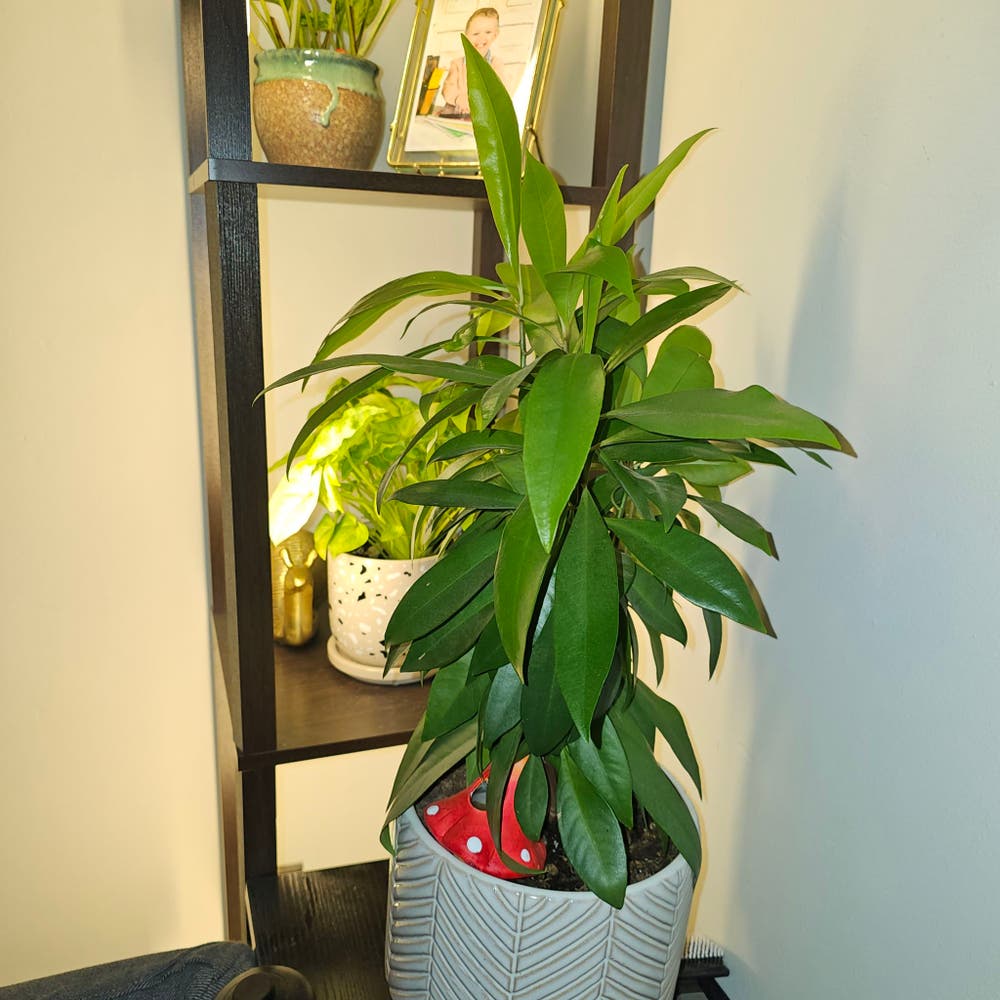
3 Outdoor Care Hacks for Ardisia 💧
Ardisia awarum
By the Greg Editorial Team
Nov 26, 2024•6 min read
This article was created with the help of AI so we can cover more plants for you. May contain errors. See one? Report it here.
Transform your Ardisia into a thriving beauty with essential sunlight and watering tips! 🌿
- 🌞 Ardisia thrives in partial shade, needing 4-6 hours of indirect light daily.
- 💧 Water every 1-2 weeks; check soil moisture 1-2 inches deep before watering.
- 🌱 Use well-draining, acidic soil with a pH of 5.5 to 6.5 for optimal growth.
Sunlight and Watering Needs
🌤️ Optimal Sunlight Conditions
Ardisia thrives in partial shade to filtered sunlight. Aim for 4-6 hours of indirect light daily to keep your plants happy and healthy.
If your Ardisia shows signs of inadequate sunlight, such as leggy growth or pale leaves, it’s time to adjust its location. These indicators suggest your plant is stretching for more light.
💧 Watering Frequency and Techniques
Maintaining consistent moisture is crucial for Ardisia, but avoid waterlogging. Water your plants every 1-2 weeks, adjusting based on rainfall and humidity levels.
To ensure effective watering, follow these simple techniques:
- Check soil moisture: Stick your finger 1-2 inches deep into the soil. If it feels dry, it’s time to water.
- Water deeply: This encourages strong root growth, helping your plant thrive.
- Use drip irrigation or soaker hoses: These methods provide even moisture distribution, making your watering routine easier.
By mastering sunlight and watering needs, you set the stage for a flourishing Ardisia. Next, let’s explore the ideal soil preferences and fertilization techniques to keep your plant in top shape.
Soil Preferences and Fertilization
Ideal Soil Composition 🌱
Ardisia thrives in well-draining, acidic soil with a pH between 5.5 and 6.5. To create the perfect environment, mix equal parts of peat moss, pine bark, and perlite.
Good drainage is crucial for Ardisia. It helps prevent root rot and overwatering issues, ensuring your plant remains healthy and vibrant.
Recommended Fertilizers and Application Methods 🌿
For optimal growth, use balanced, slow-release fertilizers with an NPK ratio of 10-10-10. Apply these fertilizers every 6-8 weeks during the growing season to keep your Ardisia nourished.
When applying fertilizer, mix it into the top layer of soil. Afterward, water thoroughly to activate the nutrients and help them penetrate the soil.
With the right soil and fertilization practices, your Ardisia will flourish. Next, let's explore the planting options available for this beautiful plant.
Planting Options: Container vs. Ground
🌱 Benefits and Drawbacks of Container Planting
Container planting offers remarkable flexibility. You can easily move your Ardisia to find the perfect light or shelter from harsh weather.
Managing pests and diseases is simpler in containers. You have better control over soil quality and drainage, which is crucial for healthy growth.
However, container planting comes with limitations. The restricted root space can lead to stunted growth, especially if the plant outgrows its pot.
Containers also dry out faster, necessitating more frequent watering. Additionally, roots in pots can be sensitive to temperature fluctuations, risking overheating during hot summer days.
🌍 Benefits and Drawbacks of Ground Planting
Ground planting allows for expansive root development. This promotes healthier growth and stability for your Ardisia.
Natural moisture retention is another advantage. Plants in the ground typically require less frequent watering, making them easier to care for.
Moreover, ground-planted Ardisia integrates better with the garden ecosystem. This can enhance biodiversity and create a more balanced environment.
On the downside, ground planting has its challenges. Your plants may be more vulnerable to pests and diseases, requiring vigilant monitoring.
You also have less control over soil conditions. This might necessitate amendments to achieve the right acidity for your Ardisia.
Finally, ground planting is a permanent commitment. Once established, relocating your plants can be difficult, limiting your ability to adapt to changing conditions.
Understanding these benefits and drawbacks will help you make an informed decision about the best planting option for your Ardisia. Whether you choose containers or ground planting, each method has unique advantages that can enhance your gardening experience.
Protection from Weather and Pests
🌬️ Strategies for Weather Protection
Protecting your Ardisia from harsh weather is crucial for its health.
Use of Mulch: Applying a layer of mulch around your plants helps retain moisture and regulates soil temperature. This simple step can make a significant difference in maintaining a stable environment for your plants.
Windbreaks: Consider planting shrubs or installing barriers to shield your Ardisia from strong winds. This can prevent physical damage and reduce stress on the plants.
Covering Plants During Extreme Weather: When extreme weather strikes, covering your plants with frost cloths or tarps can provide essential protection. This is particularly important during unexpected cold snaps.
🐛 Common Outdoor Pests and Control Methods
Outdoor pests can pose a serious threat to your Ardisia.
Aphids: Look out for curling leaves and sticky residue, which are signs of an aphid infestation. Control methods include using insecticidal soap, neem oil, or introducing beneficial insects that prey on aphids.
Scale: If you notice sticky honeydew or black sooty mold, your plants may be infested with scale. Manual removal and horticultural oil sprays are effective control methods to keep these pests at bay.
🦠 Diseases and Prevention Tips
Keeping your Ardisia healthy means being vigilant about diseases.
Root Rot: Symptoms include wilting and yellowing leaves, even with adequate watering. To prevent this, ensure your soil is well-draining and avoid overwatering.
Leaf Spot: Dark spots on leaves and premature leaf drop indicate leaf spot disease. Good air circulation and avoiding overhead watering can help prevent this issue.
By implementing these protective strategies and being aware of potential pests and diseases, you can ensure your Ardisia thrives in its outdoor environment. Next, let’s explore how seasonal changes and climate considerations affect your plant care routine.
Seasonal Care and Climate Considerations
🌱 Seasonal Changes and Their Impact
Spring is a crucial time for your Ardisia. It's the perfect season for fertilization and repotting, especially if your plants are in containers.
As summer rolls in, be prepared for increased watering and vigilant pest monitoring. The heat can stress your plants, so keep an eye out for any signs of trouble.
When fall arrives, it's time to prepare for cooler temperatures. Start reducing your watering frequency to help your plants acclimate.
Winter brings a dormancy period for Ardisia, requiring minimal care. During this time, your focus should shift to ensuring they are safe and secure.
🌍 Special Considerations for Different Climate Zones
If you're in USDA zones 9-11, you're in luck! These zones provide ideal conditions for outdoor growth of Ardisia.
For those in cooler zones, consider container gardening. This allows you to move your plants indoors during cold snaps, protecting them from harsh weather.
❄️ Tips for Winterizing in Colder Climates
To protect your Ardisia in colder climates, move containers indoors or to sheltered areas. This simple step can make a significant difference.
For ground-planted Ardisia, apply mulch around the base. This helps retain warmth and moisture during the winter months.
Lastly, keep an eye on frost conditions. Cover your plants as necessary during cold spells to ensure they stay healthy and vibrant.
With these seasonal care tips, your Ardisia will thrive throughout the year. Next, we will explore effective strategies for protecting your plants from weather extremes and pests.
⚠️ Safety First
This content is for general information and may contain errors, omissions, or outdated details. It is not medical, veterinary advice, or an endorsement of therapeutic claims.
Always consult a qualified healthcare professional before using any plant as food, medicine, or supplement.
Never eat any plant (or feed one to pets) without confirming its identity with at least two trusted sources.
If you suspect poisoning, call Poison Control (800) 222-1222, the Pet Poison Helpline (800) 213-6680, or your local emergency service immediately.
Spotted an error? Please report it here.
Keep your Ardisia thriving outdoors 🌿 with Greg's tailored watering reminders and expert care tips that make plant parenting a breeze!