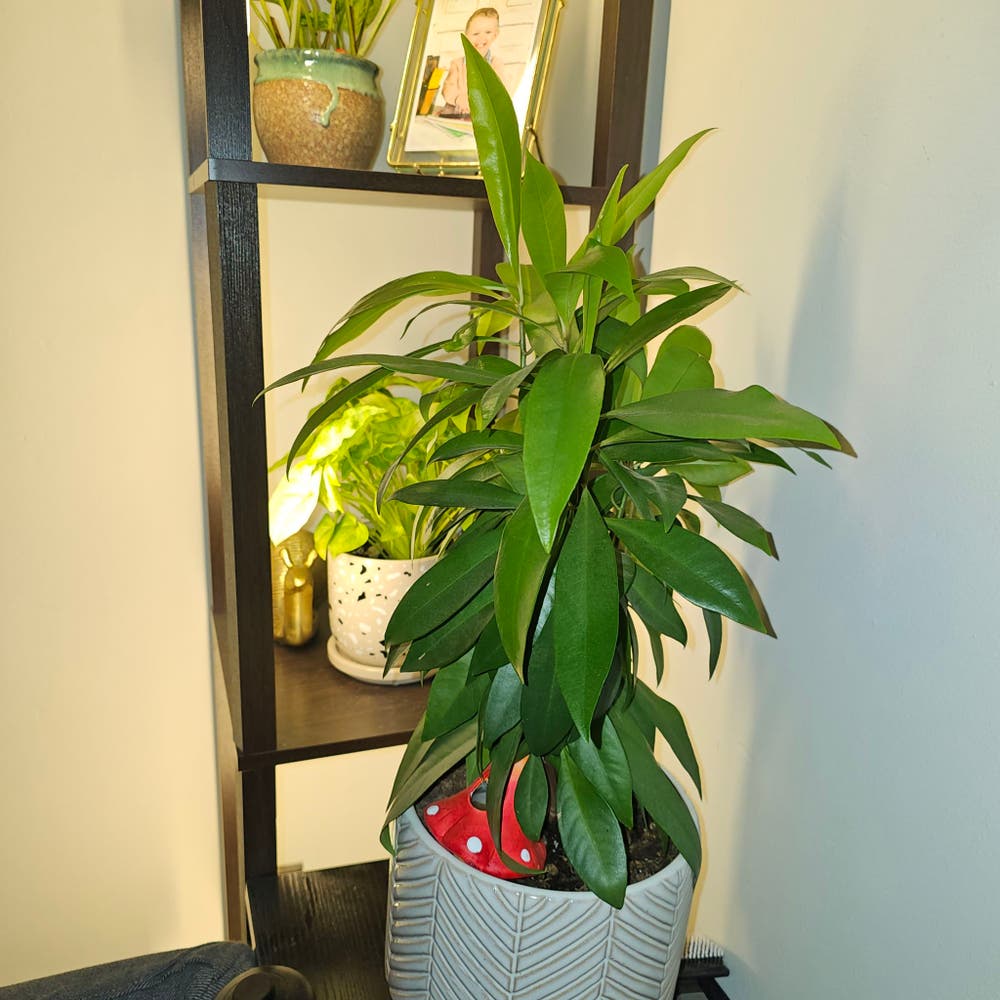
✅ Ardisia is Not an Invasive Plant
Ardisia awarum
By the Greg Editorial Team
Nov 26, 2024•6 min read
This article was created with the help of AI so we can cover more plants for you. May contain errors. See one? Report it here.
Transform your garden with Ardisia 🌿—a beautiful, non-invasive plant that supports local ecosystems and wildlife!
- 🌱 Ardisia is not invasive; it grows slowly and coexists with local plants.
- 🦜 Supports wildlife by providing habitat and food, enhancing garden biodiversity.
- 🌿 Ideal for shaded areas, Ardisia adds beauty and texture to garden designs.
Plant Classification
🌱 Definition of Invasive Species
Invasive species are plants that exhibit certain characteristics, making them a threat to local ecosystems. They typically show rapid growth and spread, outcompete native flora, and negatively impact their surroundings.
Key characteristics of invasive species include:
- Rapid growth and spread: They can quickly take over areas, often outpacing native plants.
- Ability to outcompete native flora: Invasive plants often dominate resources, leaving little for local species.
- Negative impact on local ecosystems: Their presence can lead to a decline in biodiversity and disrupt ecological balance.
🚫 Why Ardisia is Not Invasive
Ardisia, on the other hand, does not fit the invasive mold. Its slow growth rate significantly limits its ability to spread and dominate an area.
- Slow growth rate: Ardisia typically grows slowly, which naturally restricts its spread.
- Limited spread potential: Its growth habits prevent it from becoming overly dominant in any given space.
- Comparison to invasive species: Unlike many invasive plants, Ardisia does not exhibit aggressive growth patterns or outcompete native plants.
This makes Ardisia a more manageable and beneficial addition to gardens, as it coexists peacefully with local flora rather than overpowering it.
As we explore further, we will delve into the growth habits of Ardisia and how they contribute to its non-invasive nature.
Growth Habits
Typical Growth Patterns 🌿
Ardisia exhibits a shrub-like structure, characterized by its lush and attractive foliage. This plant thrives in shaded or partially shaded areas, making it an excellent choice for understory planting in gardens.
Common Varieties 🍇
Among the popular varieties, Ardisia crenata and Ardisia japonica stand out for their ornamental qualities. Both species add visual interest to landscapes with their vibrant leaves and striking berries.
Natural Limits to Growth 🌍
Ardisia's growth is influenced by several environmental factors, including soil type, moisture levels, and light availability. These elements play a crucial role in determining how well the plant flourishes in a given area.
Growth Rate ⏳
One of the defining characteristics of Ardisia is its slow growth rate. This trait not only limits its spread but also minimizes its impact on surrounding plants, allowing for a balanced ecosystem in your garden.
As we explore the ecological role of Ardisia, we will see how it benefits local wildlife and contributes to garden health.
Ecological Role
Benefits in Gardens and Ecosystems 🌱
Ardisia plays a vital role in providing habitat and food for local wildlife. Its berries are a favorite among birds, offering them a reliable food source throughout the seasons.
Additionally, Ardisia contributes to soil health and stability. Its root systems help prevent erosion and improve soil structure, making it a beneficial addition to any garden ecosystem.
Positive Interactions with Local Wildlife 🦜
One of the standout features of Ardisia is its ability to attract pollinators. The flowers draw in beneficial insects, which are essential for maintaining a healthy garden.
Birds also thrive in the presence of Ardisia, utilizing its berries for nourishment. This interaction not only supports bird populations but also promotes overall biodiversity in the area.
Incorporating Ardisia into your garden can create a thriving environment for both plants and wildlife. As we explore further, we'll look at how to effectively manage Ardisia in your garden design.
Garden Management
Incorporating Ardisia into Garden Designs 🌿
When planning your garden, consider placing Ardisia in shaded areas where it can thrive. Its lush foliage makes it an excellent choice for mixed borders or as a ground cover, adding depth and texture to your landscape.
For optimal aesthetics, pair Ardisia with other shade-loving plants. This not only enhances visual appeal but also creates a harmonious environment that supports diverse plant life.
Controlling Growth ✂️
To maintain the desired shape and size of your Ardisia, regular pruning is essential. This practice encourages healthy growth and prevents the plant from becoming unruly.
Monitoring its spread is also crucial. Keep an eye on its growth patterns and take proactive measures to ensure it remains a charming addition to your garden without overwhelming other plants.
Incorporating these management strategies will help you enjoy the beauty of Ardisia while keeping your garden in balance. Next, we’ll explore the unique qualities of Ardisia compared to other plants.
Comparison to Other Plants
🌱 Similar Non-Invasive Plants
When considering non-invasive plants for shaded areas, several options stand out. Native ferns and shade-tolerant perennials, such as hostas and astilbes, thrive in similar environments and offer lush greenery.
However, Ardisia brings unique qualities to the table. Its attractive berries and glossy leaves not only enhance visual appeal but also provide a distinctive texture that many other non-invasive plants lack.
✨ Unique Qualities
Ardisia's aesthetic appeal is hard to overlook. The vibrant foliage and striking berries create a stunning focal point in any garden, making it a favorite among landscape designers.
Moreover, its versatility is impressive. Ardisia adapts well to various garden designs, whether as a ground cover or in mixed borders, allowing gardeners to unleash their creativity while maintaining a harmonious ecosystem.
Incorporating Ardisia into your garden not only beautifies the space but also supports local wildlife, making it a valuable addition to any landscape. As we explore further, let’s delve into the legal and environmental considerations surrounding this remarkable plant.
Legal and Environmental Considerations
📜 Classifications and Guidelines
When considering planting Ardisia, it's essential to be aware of local regulations. Some regions may have specific guidelines regarding non-native plants, so checking with local horticultural authorities can help you stay compliant.
Environmental impact assessments are also crucial. Understanding the local ecosystem before introducing Ardisia ensures that you’re not disrupting existing flora and fauna. This awareness can guide you in making informed decisions that benefit both your garden and the surrounding environment.
🌱 Role in Sustainable Gardening
Ardisia plays a significant role in promoting biodiversity. By providing shelter and food for various wildlife, particularly birds, it helps maintain ecological balance in your garden.
To integrate Ardisia into eco-friendly designs, consider sustainable practices. Focus on water conservation techniques, such as mulching and drip irrigation, and maintain soil health through organic amendments. These practices not only support Ardisia's growth but also contribute to a thriving garden ecosystem.
Incorporating Ardisia thoughtfully can enhance your garden while supporting local wildlife. As you plan your garden, remember that every plant choice can positively impact the environment.
⚠️ Safety First
This content is for general information and may contain errors, omissions, or outdated details. It is not medical, veterinary advice, or an endorsement of therapeutic claims.
Always consult a qualified healthcare professional before using any plant as food, medicine, or supplement.
Never eat any plant (or feed one to pets) without confirming its identity with at least two trusted sources.
If you suspect poisoning, call Poison Control (800) 222-1222, the Pet Poison Helpline (800) 213-6680, or your local emergency service immediately.
Spotted an error? Please report it here.
Elevate your garden's biodiversity 🌱 with Ardisia, and let Greg guide you with tailored care tips to ensure your plants flourish while attracting local wildlife!