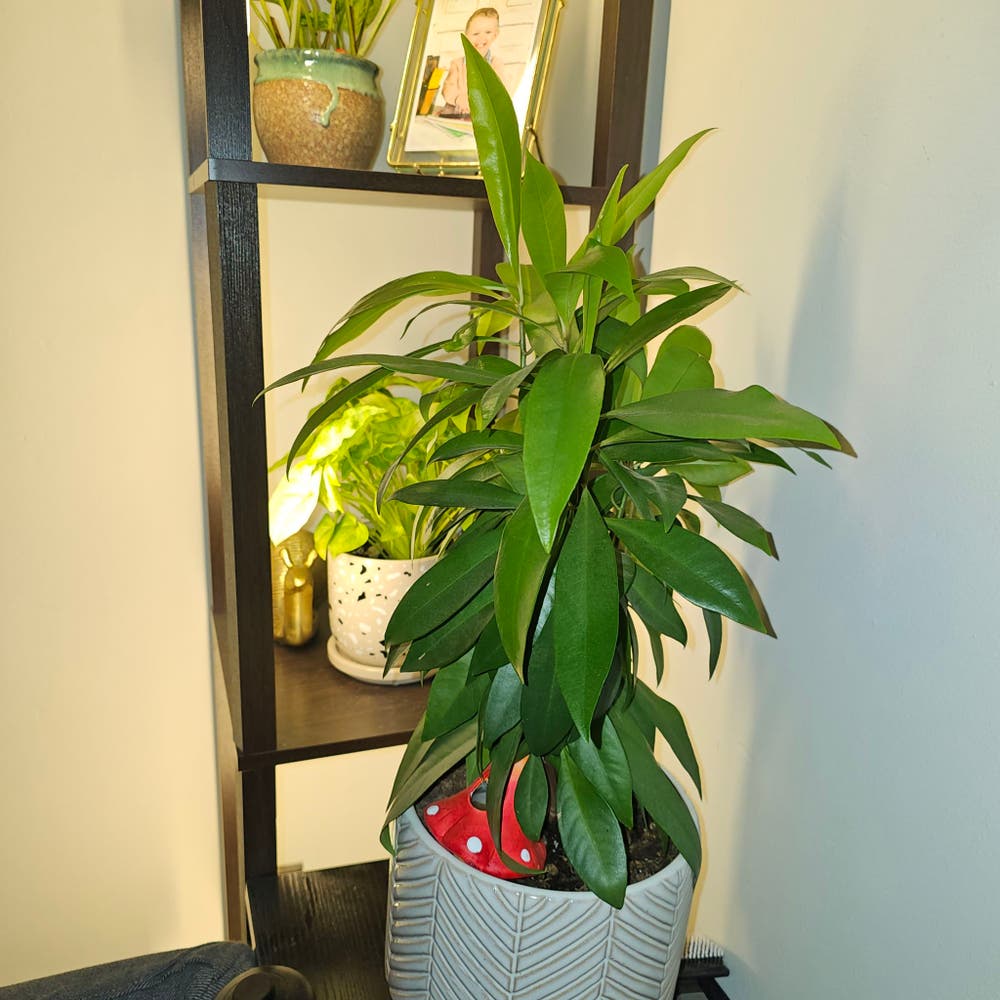
How to Get Your Ardisia to Bloom 🌸
Ardisia awarum
By the Greg Editorial Team
Nov 26, 2024•4 min read
This article was created with the help of AI so we can cover more plants for you. May contain errors. See one? Report it here.
Unlock the secret to vibrant Ardisia blooms 🌸 and transform your garden with these simple care tips!
- 🌸 Ardisia can bloom, but flowers are often small and easily overlooked.
- ☀️ Provide bright, indirect sunlight and humidity to encourage blooming.
- 🌱 Ardisia thrives in low light, making it ideal for shaded garden areas.
Flowering Status of Ardisia
Clarification on Flower Production 🌼
Ardisia is indeed capable of producing flowers, but don't expect a grand display. The blooms are often small and inconspicuous, making them easy to overlook.
Many Ardisia varieties are primarily cultivated for their lush foliage rather than their flowers. This focus on leaves means that the flowering aspect can sometimes take a backseat in care and cultivation.
Interestingly, some Ardisia varieties may not flower at all under certain conditions. Instead, they may rely on vegetative reproduction, which allows them to thrive even without blooming.
In summary, while Ardisia can flower, its beauty often lies in its foliage, and various factors can influence its blooming potential. Understanding these nuances can help you appreciate your Ardisia even more.
As we delve deeper into the characteristics of Ardisia's flowers, you'll discover what makes them unique and how to encourage them to bloom.
If Ardisia Flowers
🌸 Flower Characteristics
Description of Flower Colors and Structure
Ardisia flowers can be quite charming, typically showcasing colors like white, pink, or red. These small, tubular flowers often grow in clusters, making them easy to overlook due to their modest size.
Self-Pollination vs. External Pollination
Some Ardisia varieties have the ability to self-pollinate, while others depend on external pollination. This process is crucial for fruit and seed production, ensuring the plant can reproduce effectively.
🌼 Blooming Process
Stages of Blooming and Typical Bloom Time
The blooming process of Ardisia unfolds in several stages: bud formation, opening, and reaching full bloom. Generally, you can expect blooms to appear from late spring to early summer.
Duration from Bud Formation to Full Bloom
Once buds form, it typically takes about 4-6 weeks for them to develop into full blooms. This gradual process allows for a beautiful display of flowers.
Lifespan of Flowers
Once in bloom, Ardisia flowers usually last for about 1-2 weeks before wilting. This brief lifespan highlights the importance of timing in enjoying their beauty.
🌱 Encouraging Blooms
Tips to Encourage Flowering in Ardisia
To encourage your Ardisia to bloom, ensure it receives bright, indirect sunlight. Maintaining humidity levels between 50-70% and using a balanced fertilizer during the growing season can also help stimulate flowering.
Factors Influencing Flowering
Several environmental conditions play a significant role in the flowering of Ardisia. Factors such as light, humidity, and temperature are crucial, while stressors like overwatering or poor soil can inhibit blooming.
🌿 Post-Flowering
What Happens After the Flowering Period
After the flowering period, the flowers will wilt and drop, which can lead to potential fruit development if pollination has occurred. This stage is essential for the plant's reproductive cycle.
Discussion on Whether Ardisia Dies After Flowering
Rest assured, Ardisia does not die after flowering. Instead, it continues to grow and may produce new foliage, showcasing its resilience and vitality.
With a better understanding of how to encourage blooms and what to expect, you can nurture your Ardisia effectively. Next, let’s explore what to do if your Ardisia doesn’t flower at all.
If Ardisia Doesn't Flower
🌿 Primary Ornamental or Functional Features of Ardisia
Ardisia is celebrated for its stunning foliage. The glossy leaves come in various shapes and sizes, making them a striking addition to any plant collection.
In landscaping, Ardisia shines as a versatile choice. It thrives in shaded areas and serves beautifully as ground cover, adding lush greenery to your garden.
🌱 Explanation of Reproduction Without Flowers
Even without flowers, Ardisia has a clever way of reproducing. It can thrive through vegetative reproduction, utilizing offsets or suckers to spread and flourish.
This ability allows Ardisia to maintain its presence in gardens, ensuring that even non-flowering varieties contribute to the landscape's beauty.
As we explore the unique aspects of Ardisia, you'll discover more about its fascinating reproductive strategies and adaptability.
Unique Aspects of Ardisia
Unusual Characteristics Related to Flowering or Non-Flowering Nature 🌸
Ardisia plants display fascinating characteristics that can vary significantly based on their environment. Some varieties may produce unique flowering patterns influenced by factors like light and humidity.
These plants are also remarkable for their ability to thrive in low-light conditions. Even without abundant sunlight, Ardisia maintains lush vegetative growth, making it a popular choice for shaded areas in gardens.
Interesting Facts or Trivia About Ardisia's Reproductive Strategy 🧬
The life cycle of Ardisia is quite dynamic, often swayed by seasonal changes. This adaptability affects both its flowering and vegetative growth, showcasing the plant's resilience.
Certain species of Ardisia are particularly known for their ability to adapt to varying conditions. This unique reproductive strategy allows them to flourish even when flowering is limited, ensuring their survival and continued growth.
As you explore the world of Ardisia, you'll find that its intriguing characteristics and adaptability make it a captivating subject for both novice and experienced gardeners alike.
⚠️ Safety First
This content is for general information and may contain errors, omissions, or outdated details. It is not medical, veterinary advice, or an endorsement of therapeutic claims.
Always consult a qualified healthcare professional before using any plant as food, medicine, or supplement.
Never eat any plant (or feed one to pets) without confirming its identity with at least two trusted sources.
If you suspect poisoning, call Poison Control (800) 222-1222, the Pet Poison Helpline (800) 213-6680, or your local emergency service immediately.
Spotted an error? Please report it here.
Encourage your Ardisia to bloom vibrantly 🌼 by using Greg's personalized care tips to optimize light and humidity for your unique plant environment!