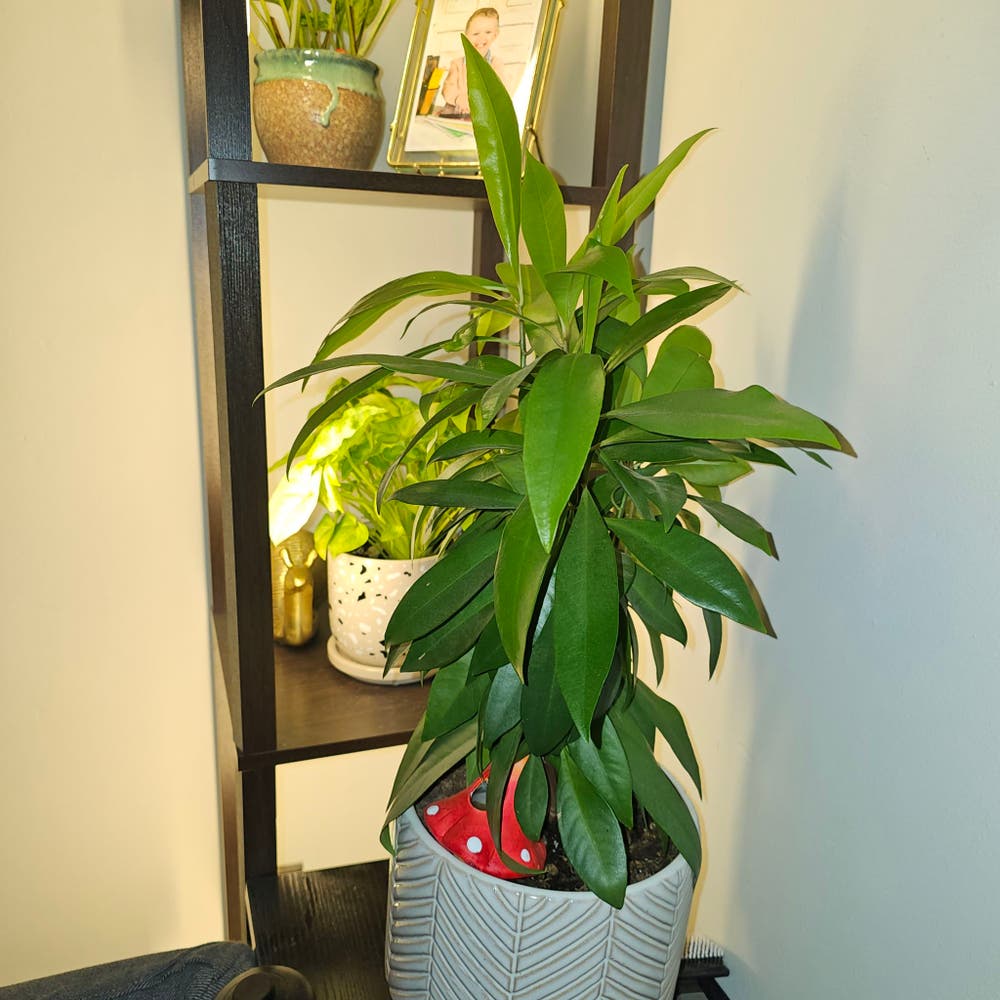
7 Tips for Propagating Your Ardisia
Ardisia awarum
By the Greg Editorial Team
Nov 26, 2024•6 min read
This article was created with the help of AI so we can cover more plants for you. May contain errors. See one? Report it here.
Grow lush Ardisia plants 🌱 effortlessly with expert tips on propagating from cuttings, seeds, and root division! 🌿
- ✂️ Use healthy 4-6 inch stems and clean scissors for successful Ardisia cuttings.
- 🌱 Maintain 70-80% humidity and bright, indirect light for optimal rooting conditions.
- 🌿 Monitor moisture levels closely to prevent overwatering and ensure healthy growth.
Propagating from Cuttings
Step-by-step guide for taking cuttings 🌱
sterile seed-starting mix Ardisia, start by selecting healthy stems. Look for stems that are at least 4-6 ingerminate and have several leaves.
Next, use clean, sharp scissors to cut just below a leaf node. This technique encourages new growth and increases your chances of success. After cutting, trim off the lower leaves to temperatureswhen you plant them.
Ideal conditions for rooting cuttings 🌧️
Creating the right environment is crucial for rooting cuttings. Maintain high humidity levArdisiaeally around 70-80%, by using a humidity dome or a plastic bag.
Additionally, provide bright, indirect light. This will help the cuttings root without the risk of burning them uDividing rootsnlight.
Recommended soil and potting techniques 🪴
Choosing the right soil mix is essential for healthy cuttings. A well-draining mix, such as equal parts peat moss and perlite, works best.
When potting, use small pots (3-4 inches) to allow for easy management and monitoring. This size is perfect for keeping an eye on moisture levels and growth progress.
With these steps, you’re well on your way to successfully propagating your Ardisia from cuttings. Next, let’s explore how to propagate this plant from seeds for even more growth opportunities.
Propagating from Seeds
🌱 How to collect and prepare seeds
To stspacingpagating Ardisia from seeds, first, you need to collect them from ripe berries. Make sure the berries are fully mature for the best seed quality.
Next, clean the seeds by removing any pulp. Rinse them thoroughly in water to ensure they are ready for planting.
🌿 Germination process and conditions
For successful germination, use a sterile seed-starting mix. This provides a moisture levelsnt that promotes healthy growth.
Expect seeds to germroot rotthin 2-4 weeks if conditions are ideal. Keep an eye on them during this period to ensure everything is on track.
🌼 Timing for planting seeds
The best time to plant your seeds is in spring. Aim for when temperatures are consistently warm, ideally above 20°C (68°F), to give your seeds the best chance to thrive.
By following these steps, you'll set the stage for healthy Ardisia plants. Next, let’s explore how to propagate through root division for even more growth opportunities.
Propagating through Root Division
##yellowing leaveso divide roots 🌱 Dividing roots is best done in early spring, just before new growth starts. This timing ensures that the plant can recover quickly and thrive after the division.
To divide the roots, carefully dig up the plant, taking care not to damage the root systpestseparate the roots into sections, ensuring that each section has both roots andinsecticidal soapssful replanting.
Best practices for replanting divided sections 🌿
When replanting, it's crucial to place the divided sections at the same depth they were previously growing. This helps the plants adjust and continue their growth without stress.
Additionally, ensure there is adequate spacing of 12-18 inches between the divided plants. This spacing allows each plant enough room to grow and flourish without competing for resourclight### Aftercare for divided plants 💧 After replanting, water the divided sections thoroughly to help settle the soil around the roots. This initial watehumidityvital for establishing the plants in their new locations.
Keep a close eye on moisture levels in the soil. Avoid overwatering, as this can lead to root rot, which is detrimental to the health of your newly divided plants.
With proper care, your Ardisia will thrive and continue to bring beauty to your space. Next, let’s explore common challenges you might face during propagation and how to overcome them.
Common Challenges in Propagation
🐛 Pests and Diseases
Propagation can be a rewarding journey, but it’s not without its hurdles. Common pests like aphids, spider mites, and mealybugs can wreak havoc on your young plants.
Lpruning for signs of infestation, such as yellowing leaves, webbing, or sticky residue. These indicators can help you catch problems early and take action before they escalate.
🛡️ Preventative Measures and Treatments
Regular inspection is key to keeping your plants healthy. Check your plantcontainersly for any signs of pests to nip issues in the bud.
If you do encounter pests, treatment options like insecticidal soap or neem oil can be effective organic solutions. Thesrooteatments are gentle on your plants while effectively tackling unwanted visitors.
❌ Propagation Failures
Even seasoned gardeners face challenges in propagation. Understanding common reasonsdrainageuccessful propagation can help you avoid pitfalls.
Overwatering is a frequent culprit, leading to root rot and damping-ofroot rotdlings and cuttings. Additionally, insufficient light can result in weak, leggy growth and poor rooting.
🛠️ Troubleshooting Tips for Each Propagation Method
For cuttings, ensure you maintain proper humidity levels and avoid direct sunlight. This will create a nurturing environment for your cuttings to thrive.
When working with seeds, regularly check soil moisture and temperature. Adjust these conditions as necessary to promote successful germination and growth.
By being proactive and attentive, you can overcome these challenges and enjoy a thriving propagation experience. Now, let’s explore the essential tools and materials that will support your propagation efforts.
Tools and Materials for Propagation
🔧 Recommended Tools
To get started with propagating your Ardisia, having the right tools is essential.
- Sharp scissors or pruning shears: These are crucial for making clean cuts, which minimizes damage to the plant and promotes healthy growth.
- Sterilizing solution: Use rubbing alcohol to disinfect your tools before use. This prevents the spread of diseases and pests.
🪴 Containers and Pots
Choosing the right containers can significantly impact your propagation success.
- Small pots: Opt for 3-4 inch pots for cuttings and seedlings. These sizes are manageable and provide enough space for root development.
- Seed trays: Ideal for starting multiple seeds at once, seed trays allow for efficient use of space and resources.
💧 Importance of Drainage in Propagation Containers
Proper drainage is a game-changer in plant propagation.
- Drainage holes: Ensure your containers have holes to prevent waterlogging and root rot. Good drainage keeps your plants healthy and thriving.
With the right tools and containers, you're well on your way to successful propagation. Next, let’s explore the common challenges you might face during this process and how to overcome them.
⚠️ Safety First
This content is for general information and may contain errors, omissions, or outdated details. It is not medical, veterinary advice, or an endorsement of therapeutic claims.
Always consult a qualified healthcare professional before using any plant as food, medicine, or supplement.
Never eat any plant (or feed one to pets) without confirming its identity with at least two trusted sources.
If you suspect poisoning, call Poison Control (800) 222-1222, the Pet Poison Helpline (800) 213-6680, or your local emergency service immediately.
Spotted an error? Please report it here.
Propagating your Ardisia is easy and rewarding 🌱 when you use Greg's tailored reminders and care tips to keep your cuttings thriving!