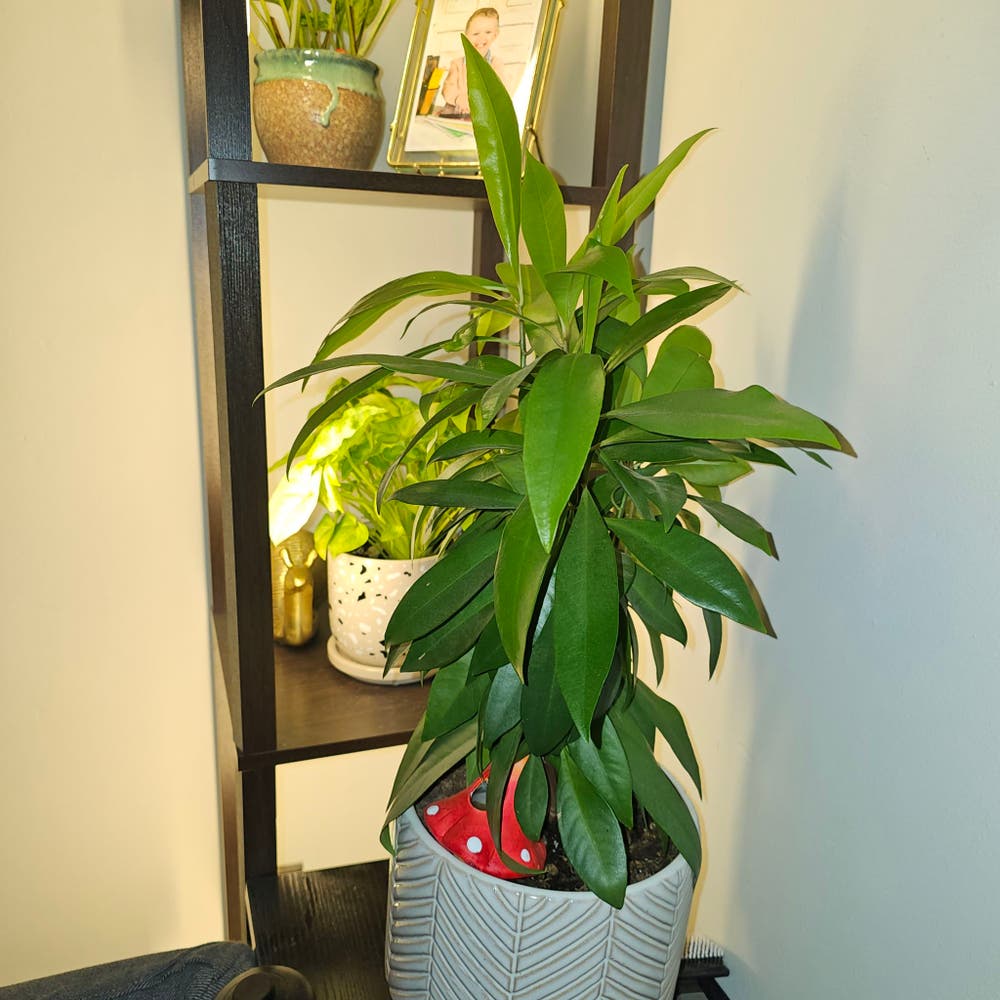
✂️ Ultimate Guide to Pruning Ardisia
Ardisia awarum
By the Greg Editorial Team
Nov 26, 2024•4 min read
This article was created with the help of AI so we can cover more plants for you. May contain errors. See one? Report it here.
Transform your Ardisia 🌱 with expert pruning tips for a healthier, more beautiful garden all year round!
- 🌱 Prune Ardisia in early spring for optimal shaping and health.
- ✂️ Deadheading spent flowers boosts blooms and prevents energy waste.
- 🌿 Monitor growth regularly to adapt pruning techniques for best results.
Timing for Pruning
Best Seasons for Pruning 🌱
Pruning Ardisia at the right time is crucial for its health and appearance. Early spring is the best season for shaping the plant and removing any dead or damaged branches.
Late summer is another key time for light pruning. This encourages bushiness before the plant enters the fall season.
Signs That Indicate When to Prune ✂️
Recognizing when to prune is just as important as knowing how. Look for overgrowth, where branches extend beyond the desired shape, signaling it's time for a trim.
Additionally, dead or damaged branches often indicate disease or dieback. Leggy growth, characterized by sparse foliage and long stems, also suggests a need for pruning.
Effects of Pruning at Different Times of the Year 📅
The timing of your pruning can significantly affect your Ardisia's growth. Spring pruning stimulates vigorous growth and encourages flowering, making it a popular choice among gardeners.
However, summer pruning can stress the plant if done excessively. Fall pruning, while sometimes necessary, may expose your plant to winter damage if not approached with caution.
Understanding these timings will help you maintain a healthy and beautiful Ardisia. With the right approach, your plant can thrive throughout the seasons.
Deadheading
Importance of Deadheading for Plant Health 🌼
Deadheading is crucial for maintaining the health of your Ardisia plants. By removing spent flowers, you encourage more blooms and prevent the plant from wasting energy on seed production.
Step-by-Step Instructions for Deadheading ✂️
- Identify spent flowers: Look for wilted or brown blooms that no longer contribute to the plant's beauty.
- Use clean pruning shears: Cut the flower stem just above the first set of healthy leaves to promote new growth.
- Dispose of removed flowers: Proper disposal helps prevent disease and keeps your garden tidy.
Benefits of Deadheading on Flowering and Growth 🌺
Deadheading promotes continuous blooming throughout the growing season, ensuring your Ardisia remains vibrant. Additionally, it enhances overall plant vigor and health, allowing it to thrive.
By incorporating deadheading into your regular care routine, you can significantly improve the aesthetic appeal and vitality of your Ardisia. Next, let's explore common pruning challenges and how to overcome them effectively.
Common Pruning Challenges
🪴 Identifying and Addressing Common Pruning Mistakes
Pruning can be tricky, and common mistakes can hinder your Ardisia's health.
- Over-pruning: This occurs when too much foliage is removed, leading to stress and potential decline in growth.
- Incorrect cutting angle: If cuts are made at the wrong angle, it can prevent proper healing and invite diseases into the plant.
🐛 Dealing with Pests and Diseases Post-Pruning
After pruning, it's crucial to keep an eye out for pests that may invade your Ardisia.
- Monitor for signs of pests: Look for aphids, spider mites, and scale insects, which can quickly become a problem.
- Implement preventive measures: Using neem oil or insecticidal soap can help keep these pests at bay and protect your plant's health.
🌱 Recovery Strategies for Over-Pruned Ardisia
If you've accidentally over-pruned your Ardisia, don't worry—there are ways to help it bounce back.
- Provide extra care: Increase watering and fertilization to support recovery and encourage new growth.
- Monitor growth: Keep an eye out for new shoots and adjust your care routine accordingly to ensure your plant thrives.
By addressing these common challenges, you can maintain the health and beauty of your Ardisia. Next, let’s explore how to prune for aesthetic appeal, enhancing your plant's visual charm while keeping it healthy.
Pruning for Aesthetic Appeal
🌿 Techniques for Enhancing Beauty Through Pruning
Pruning isn't just about health; it's also about beauty. Thinning is a key technique where you remove inner branches to improve air circulation and light penetration, allowing your Ardisia to flourish.
Shaping is another essential method. By selectively pruning, you can create a rounded or formal shape that enhances the overall appearance of the plant.
✂️ Creating a Desired Shape or Form
To achieve a beautiful form, consistency is crucial. Use a uniform pruning technique to maintain symmetry and balance, ensuring your Ardisia looks well-groomed.
Regularly assess growth to adapt your pruning techniques based on seasonal changes. This proactive approach helps you stay ahead of any unruly growth.
⚖️ Balancing Growth and Aesthetics
While aesthetics are important, plant health should never be compromised. Monitor growth habits to ensure that your pruning efforts enhance beauty without stressing the plant.
Timing is also vital. Prune at optimal times to maintain both the visual appeal and vigor of your Ardisia, ensuring it remains a stunning focal point in your garden.
As you refine your pruning skills, remember that a well-pruned Ardisia not only looks great but also thrives. This balance of beauty and health sets the stage for the next topic: common pruning challenges.
⚠️ Safety First
This content is for general information and may contain errors, omissions, or outdated details. It is not medical, veterinary advice, or an endorsement of therapeutic claims.
Always consult a qualified healthcare professional before using any plant as food, medicine, or supplement.
Never eat any plant (or feed one to pets) without confirming its identity with at least two trusted sources.
If you suspect poisoning, call Poison Control (800) 222-1222, the Pet Poison Helpline (800) 213-6680, or your local emergency service immediately.
Spotted an error? Please report it here.
Transform your Ardisia into a stunning focal point 🌿 with Greg's personalized pruning reminders and expert tips to keep it healthy and thriving all year round!