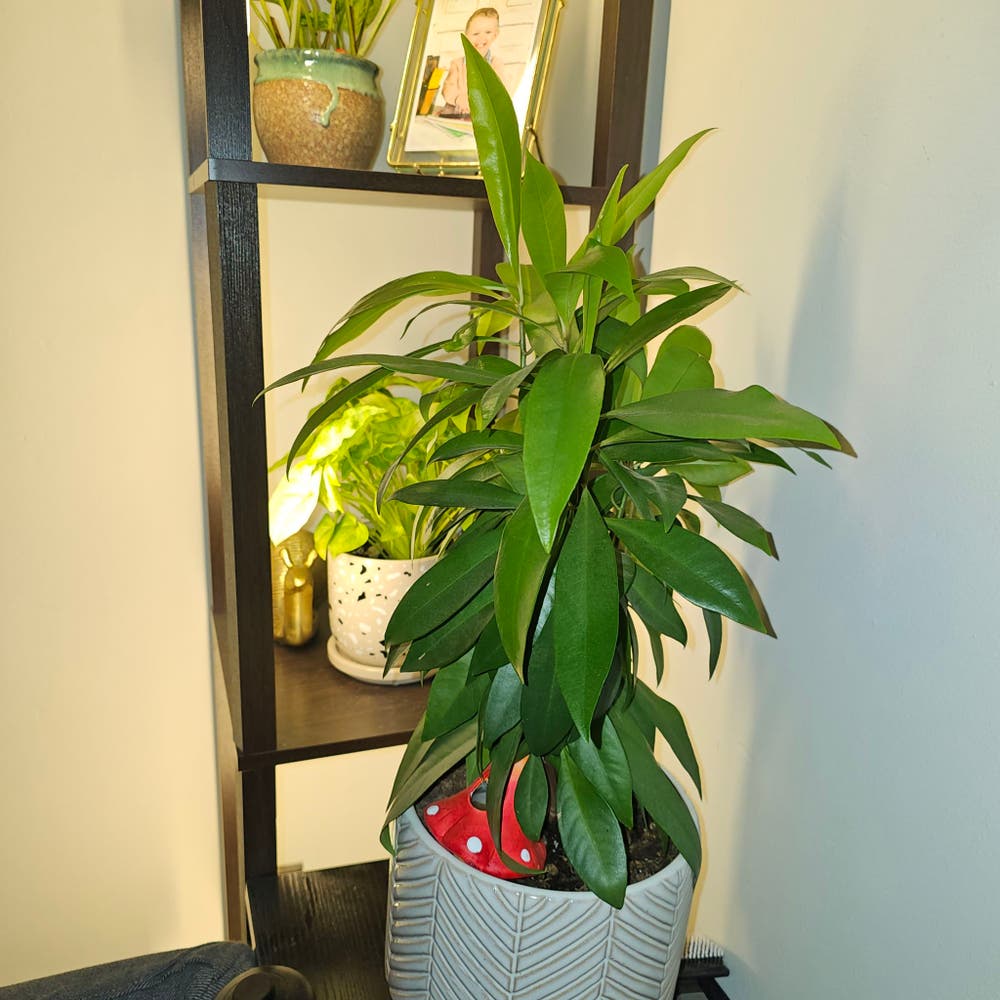
Ardisia: Not an Annual
Ardisia awarum
By the Greg Editorial Team
Nov 26, 2024•5 min read
This article was created with the help of AI so we can cover more plants for you. May contain errors. See one? Report it here.
Uncover the secrets of Ardisia's resilience and beauty, making it a must-have for your garden! 🌿
- 🌱 Ardisia is a perennial, thriving for years unlike short-lived annuals.
- 🌿 Its deep roots and evergreen leaves ensure resilience and year-round beauty.
- 🌼 Ardisia blooms multiple times yearly, providing continuous color and interest in gardens.
Genetic Characteristics of Ardisia
🌱 Chromosome Structure
Ardisia exhibits fascinating genetic diversity, particularly through polyploidy in some species. This means that certain Ardisia plants have multiple sets of chromosomes, which can enhance their adaptability and resilience.
🧬 Genetic Adaptations
The genetic makeup of Ardisia contributes to traits that promote longevity and resilience. These adaptations allow the plant to thrive in various environments, ensuring its survival over many years.
Ardisia's ability to withstand environmental stresses is a testament to its robust genetic foundation. This resilience not only supports its perennial nature but also makes it a valuable addition to diverse ecosystems.
In summary, the genetic characteristics of Ardisia, including its unique chromosome structure and adaptive traits, play a crucial role in its long-term survival and growth. This foundation sets the stage for understanding its physiological traits and lifecycle, which we will explore next.
Physiological Traits Supporting Perennial Growth
Evergreen Foliage 🌿
Ardisia is known for its lush evergreen foliage, which allows it to photosynthesize year-round. This trait not only contributes to its vibrant appearance but also supports its ability to thrive in various environmental conditions.
Root System 🌱
The root system of Ardisia is both deep and extensive, enabling efficient nutrient and water absorption. This robust root structure is crucial for its survival, especially during dry spells or in nutrient-poor soils.
Resilience Through Adaptation 💪
These physiological traits work together to enhance Ardisia's resilience and longevity. By maintaining foliage throughout the year and developing a strong root system, Ardisia can adapt to changing climates and continue to flourish.
Transition to Lifecycle Insights 🔄
Understanding these physiological traits sets the stage for exploring Ardisia's long-term lifecycle and growth patterns. Let's delve into how these characteristics influence its lifespan and seasonal behavior.
Long-Term Lifecycle and Growth Patterns
🌱 Lifespan
Ardisia plants are remarkable for their longevity, often living for several years and sometimes even decades. This resilience makes them a valuable addition to any garden, providing lasting beauty and interest.
🌦️ Seasonal Behavior
These plants exhibit distinct seasonal behaviors. During colder months, Ardisia enters a state of dormancy, conserving energy, while in warmer months, they spring back to life, showcasing vibrant growth.
🌸 Flowering Cycle
One of the most captivating aspects of Ardisia is its flowering cycle. Unlike many plants that bloom only once a year, Ardisia can produce flowers multiple times throughout the year, adding continuous color and charm to your garden.
🍇 Seed Production
Ardisia's seed production strategy is equally fascinating. The berries that form on the plant persist for extended periods, aiding in seed dispersal and ensuring the continuation of the species. This adaptation not only supports the plant's lifecycle but also attracts wildlife, enhancing the garden's ecosystem.
Understanding these long-term lifecycle and growth patterns of Ardisia enriches our appreciation for this perennial wonder. As we explore the differences between Ardisia and true annuals, we can better appreciate the unique advantages of incorporating this resilient plant into our gardens.
Lifecycle Comparison with True Annuals
Lifespan and Growth Phases 🌱
Ardisia boasts a multi-year lifecycle, allowing it to thrive for several years, often decades. In contrast, true annuals complete their life cycle in a single season, sprouting, flowering, and dying within a year.
Impact on Growth and Flowering 🌼
The growth and flowering patterns of Ardisia differ significantly from those of annuals. While annuals may bloom once and quickly fade, Ardisia can produce flowers multiple times throughout the year, showcasing its resilience and adaptability.
Seed Production Strategies 🌾
When it comes to seed production, Ardisia employs a unique strategy. Its persistent berries remain on the plant, providing a steady source of seeds for dispersal, unlike annuals that typically release seeds immediately after flowering. This difference highlights Ardisia's long-term survival tactics compared to the more transient nature of annual plants.
Understanding these lifecycle differences not only enriches your gardening knowledge but also enhances your appreciation for the resilience of perennial plants like Ardisia. As we delve deeper into gardening with Ardisia, we’ll explore its advantages in garden design and how to maximize its longevity.
Gardening with Ardisia
🌼 Advantages in Garden Design
Ardisia brings a unique aesthetic appeal to any garden. Its glossy leaves and vibrant berries add color and texture, making it a versatile choice for various landscaping styles.
This perennial plant can thrive in both shaded and partially sunny areas, allowing for creative garden layouts. Its ability to maintain foliage year-round ensures your garden remains lively, even in winter.
🌱 Planning for Perennial Growth
When incorporating Ardisia into your garden, consider spacing carefully. These plants can grow quite large, so allow enough room for their expansive root systems and foliage.
Companion planting is also beneficial. Pairing Ardisia with other perennials can create a harmonious ecosystem, enhancing both growth and visual appeal.
⏳ Tips for Maximizing Longevity
To ensure your Ardisia thrives, pay attention to soil requirements. Well-draining, rich soil will support its growth and resilience.
Watering practices are crucial as well. Keep the soil consistently moist but not soggy, especially during dry spells.
Seasonal care is essential for longevity. Prune as needed and monitor for pests to keep your Ardisia healthy and vibrant throughout the years.
With these tips, you can enjoy the beauty and benefits of Ardisia in your garden for many seasons to come. Next, let’s explore how Ardisia’s lifecycle compares with true annuals.
⚠️ Safety First
This content is for general information and may contain errors, omissions, or outdated details. It is not medical, veterinary advice, or an endorsement of therapeutic claims.
Always consult a qualified healthcare professional before using any plant as food, medicine, or supplement.
Never eat any plant (or feed one to pets) without confirming its identity with at least two trusted sources.
If you suspect poisoning, call Poison Control (800) 222-1222, the Pet Poison Helpline (800) 213-6680, or your local emergency service immediately.
Spotted an error? Please report it here.
Keep your Ardisia thriving year-round 🌿 with Greg's tailored watering reminders and care tips, ensuring your garden bursts with vibrant beauty and resilience!