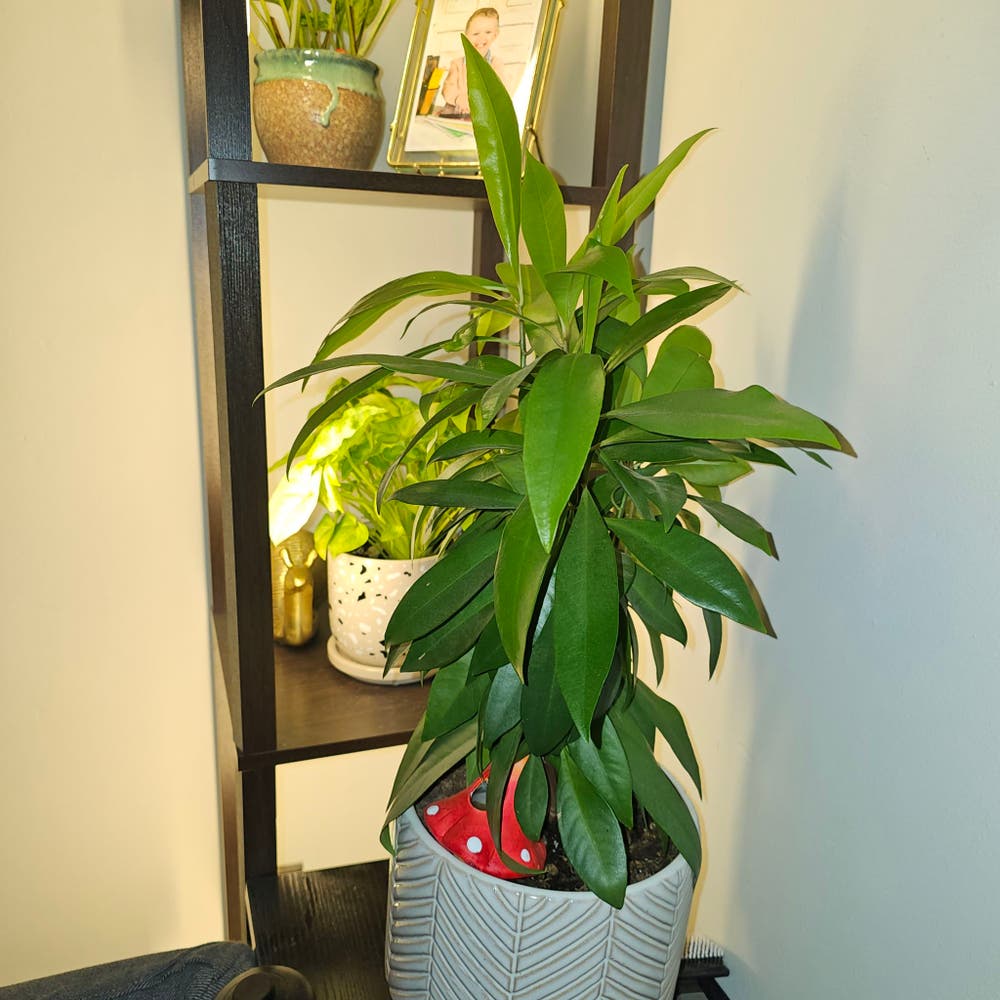
What to Do About Droopy Leaves on Your Ardisia 🌧️
Ardisia awarum
By the Greg Editorial Team
Nov 26, 2024•7 min read
This article was created with the help of AI so we can cover more plants for you. May contain errors. See one? Report it here.
Transform your droopy Ardisia into a thriving beauty 🌱 with these essential care tips for vibrant plant health!
- 💧 Droopy leaves indicate overwatering or underwatering; adjust watering accordingly.
- 🌡️ Ideal conditions: 65°F to 80°F and 50%-70% humidity for healthy Ardisia.
- 🌱 Regular inspections for pests and nutrient deficiencies are crucial for recovery.
Causes of Droopy Leaves
💧 Overwatering and Its Effects
Droopy leaves on your Ardisia can often signal overwatering. Look for symptoms like yellowing leaves, mushy stems, and, of course, drooping.
Excess moisture can lead to root rot, a serious condition that decays the roots and jeopardizes the plant's health. Ensuring well-draining soil is crucial to prevent this issue.
🌵 Underwatering and Dehydration
On the flip side, underwatering can also cause droopy leaves. Symptoms include crispy leaf edges, wilting, and drooping, indicating your plant is thirsty.
To maintain consistent moisture, establish a regular watering frequency. Watch for signs of dehydration, such as leaf curling and a dry soil surface.
🌡️ Environmental Stress Factors
Temperature
Temperature plays a significant role in your plant's well-being. The ideal range for Ardisia is between 65°F to 80°F (18°C to 27°C).
Extreme temperatures can lead to droopy leaves, whether from heat stress or cold shock. Keep an eye on your indoor climate to avoid these fluctuations.
💨 Humidity
Humidity is another critical factor for Ardisia. This plant thrives in environments with 50% to 70% humidity.
Low humidity can result in droopy leaves and browning tips, so consider ways to boost moisture levels in the air.
🥦 Nutrient Deficiencies
Nutrient deficiencies can also contribute to droopy leaves. Common culprits include nitrogen, potassium, and magnesium.
Symptoms of these deficiencies often manifest as pale leaves, stunted growth, and drooping. Balanced fertilization is essential to keep your Ardisia healthy and thriving.
🐛 Pest Infestations and Diseases
Pest infestations and diseases can wreak havoc on your plant. Common pests include aphids, spider mites, and mealybugs.
Look for signs of infestation, such as sticky residue, webbing, and visible insects. Additionally, fungal infections can lead to droopy leaves, making regular inspections vital for plant health.
Understanding these causes will help you identify the right solutions for your droopy Ardisia. Next, we’ll explore how to diagnose the specific issues affecting your plant.
Diagnosing Droopy Leaves
💧 Signs of Overwatering vs. Underwatering
Identifying whether your Ardisia is suffering from overwatering or underwatering is crucial. Overwatering typically presents with soil that feels soggy, leaves that are soft and yellowing, and roots that may be mushy or decaying.
In contrast, underwatering manifests as dry soil, crispy leaf edges, and a general droopiness. Observing these signs can help you take the right steps to revive your plant.
🌡️ Identifying Environmental Stress Indicators
Environmental factors play a significant role in the health of your Ardisia. Temperature fluctuations can lead to droopy leaves; ideally, your plant should be kept in a range of 65°F to 80°F (18°C to 27°C).
Humidity is another critical factor. Ardisia prefers humidity levels between 50% and 70%. Using a hygrometer can help you monitor these levels effectively.
🐛 Checking for Pests and Diseases
Pests and diseases can also cause droopy leaves. Regular visual inspections are essential; look closely at the undersides of leaves and along stems for any signs of pests like aphids or spider mites.
Additionally, keep an eye out for disease symptoms such as fungal spots or wilting. Catching these issues early can make a significant difference in your plant's recovery.
🌱 Assessing Soil Conditions
Soil conditions are vital for your Ardisia's health. Testing soil moisture can be done easily with your finger or a moisture meter; the goal is to ensure the soil is neither too wet nor too dry.
Moreover, the composition of your soil matters. Well-draining soil is essential to prevent root rot and promote healthy growth. Regularly checking these conditions will help you maintain a thriving plant.
By diagnosing the cause of droopy leaves effectively, you can take the necessary steps to restore your Ardisia's vitality. Next, let's explore some practical solutions to address these issues.
Solutions for Droopy Leaves
🌊 Adjusting Watering Practices
To revive your Ardisia, start by fine-tuning your watering schedule. Aim to water when the top inch of soil feels dry, ensuring you provide enough moisture without overdoing it.
Utilize techniques like the finger test or moisture meters to gauge soil dampness. These methods help you avoid the pitfalls of both overwatering and underwatering.
💧 Improving Humidity Levels
Humidity plays a crucial role in keeping your Ardisia healthy. Consider using pebble trays filled with water, misting the leaves regularly, or investing in a humidifier to boost moisture levels.
Grouping your plants together can also enhance local humidity. This simple adjustment can create a more favorable environment for your droopy leaves to perk up.
☀️ Modifying Light Exposure
Ardisia thrives in indirect light, so it's essential to assess its current placement. If your plant is struggling, try moving it to a brighter spot that still avoids harsh direct sunlight.
Conversely, if your plant is getting too much light, relocating it to a shadier area can help reduce stress and promote recovery. Finding the right balance is key to revitalizing your plant.
🌱 Fertilization Strategies for Recovery
A balanced approach to fertilization can make a significant difference. Look for fertilizers with balanced NPK ratios to provide essential nutrients for your Ardisia.
Establish a fertilization schedule that aligns with the growing season. This timing ensures your plant receives the nutrients it needs to bounce back effectively.
🐞 Pest Control Methods
Pest infestations can exacerbate droopy leaves, so it's vital to stay vigilant. Consider using organic options like neem oil or insecticidal soap to treat any pests you find.
Regular monitoring is essential for prevention. Keep an eye on your plant's health and conduct routine checks to catch any issues before they escalate.
By implementing these solutions, you can help your Ardisia recover from droopy leaves and thrive once again. Next, let’s explore preventative measures to keep your plant healthy in the long run.
Preventative Measures
Best Practices for Care 🌱
Establishing a routine for watering and humidity checks is crucial for keeping your Ardisia healthy. Regular checks help you catch any issues before they escalate, ensuring your plant thrives.
Proper potting is equally important. Always use pots with drainage holes to prevent water from accumulating, which can lead to root rot and droopy leaves.
Regular Monitoring and Maintenance Tips 🔍
Make it a habit to conduct visual inspections of your plant weekly. Look for signs of stress or pests, as early detection can save your Ardisia from serious damage.
Soil testing is another key aspect of maintenance. Periodically check nutrient levels to ensure your plant receives the necessary elements for optimal growth.
Seasonal Care Adjustments 🌦️
As the seasons change, so should your care routine. Adjust your watering and humidity practices in winter versus summer to accommodate your plant's needs.
Be prepared for temperature fluctuations by using protective coverings. This simple step can shield your Ardisia from extreme conditions that may cause droopy leaves.
By implementing these preventative measures, you can significantly reduce the risk of droopy leaves and ensure your Ardisia remains vibrant and healthy. Next, let’s explore how to revive a droopy plant effectively.
Reviving a Droopy Plant
Step-by-Step Recovery Process 🌱
Reviving a droopy Ardisia starts with assessing the cause. Determine whether the issue stems from overwatering, underwatering, or environmental stress.
Next, adjust your watering practices. Modify the frequency based on the moisture level of the soil to ensure your plant receives just the right amount of water.
Improving humidity is crucial for recovery. Implement methods such as using pebble trays or misting to raise humidity levels around your plant.
Don’t forget to check for pests. Treat any infestations you find promptly to prevent further damage to your plant.
Finally, monitor light exposure. Ensure your Ardisia is receiving adequate but indirect light to support its recovery.
Signs of Improvement to Look For 👀
As your plant begins to recover, watch for signs of leaf recovery. Healthy leaves will start to return to an upright posture, indicating improved health.
You should also look for new growth. Fresh leaves or shoots emerging from your Ardisia are clear indicators that your care strategies are working.
Long-Term Care Strategies 🛠️
Establishing a routine is key to long-term success. Regularly check watering, humidity levels, and fertilization to keep your plant thriving.
Continuous monitoring is essential as well. Keep an eye on environmental changes that could affect your Ardisia, ensuring it remains healthy and vibrant.
With these steps, you can transform a droopy plant back to its lively self, creating a flourishing environment for your Ardisia. Next, let’s explore some preventative measures to keep your plant healthy in the long run.
⚠️ Safety First
This content is for general information and may contain errors, omissions, or outdated details. It is not medical, veterinary advice, or an endorsement of therapeutic claims.
Always consult a qualified healthcare professional before using any plant as food, medicine, or supplement.
Never eat any plant (or feed one to pets) without confirming its identity with at least two trusted sources.
If you suspect poisoning, call Poison Control (800) 222-1222, the Pet Poison Helpline (800) 213-6680, or your local emergency service immediately.
Spotted an error? Please report it here.
Keep your Ardisia perky and proud 🌱 by using Greg's tailored care reminders to master watering, humidity, and light exposure for a thriving plant!