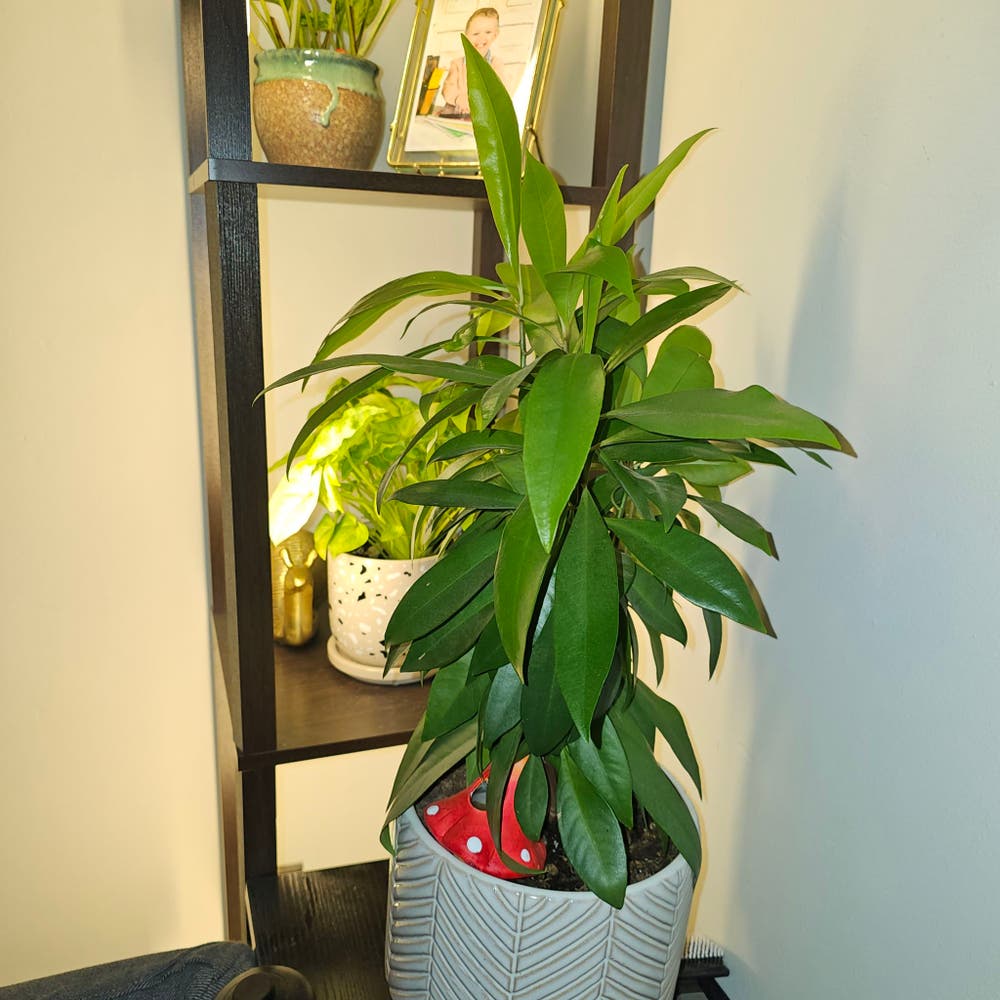
🌞 Ardisia Hardiness Zones Ultimate Guide: 10a-11b
Ardisia awarum
By the Greg Editorial Team
Nov 26, 2024•6 min read
This article was created with the help of AI so we can cover more plants for you. May contain errors. See one? Report it here.
Unlock the secret to thriving Ardisia plants by mastering their temperature needs and ideal growing conditions! 🌿
- 🌡️ Ardisia thrives in zones 10a-11b, ideal for warm climates and mild winters.
- ❄️ Frost damage occurs below 30°F (-1°C); protect plants in colder temperatures.
- 🌞 Partial to full sun exposure is crucial for healthy Ardisia growth and flowering.
Temperature Tolerance for Ardisia
❄️ Cold Tolerance Specifics
Ardisia plants have a minimum temperature threshold of around 30°F (-1°C). Below this, they can suffer frost damage, which can stunt growth or even kill the plant.
Frost can severely impact Ardisia's growth and survival. When exposed to frost, the leaves may become discolored or wilted, and prolonged exposure can lead to root damage.
Different varieties of Ardisia exhibit varying levels of frost tolerance. For instance, Ardisia crenata is known for its resilience, while other types may require more protection in colder climates.
🔥 Heat Tolerance Specifics
On the other end of the spectrum, Ardisia can tolerate maximum temperatures up to 100°F (38°C). However, prolonged exposure to such heat can stress the plant.
To thrive in warmer climates, Ardisia has developed several adaptations. These include thicker leaves that reduce water loss and a deep root system that helps access moisture.
Heat tolerance also varies among Ardisia varieties. Some, like Ardisia elliptica, are particularly well-suited for hotter environments, making them a popular choice in tropical gardens.
🌡️ Optimal Temperature Ranges
The ideal temperature range for Ardisia lies between 60°F to 85°F (15°C to 29°C). Within this range, the plants flourish, producing vibrant foliage and healthy growth.
Temperature significantly affects flowering and fruiting. Warmer temperatures can enhance blooming, while cooler conditions may delay or reduce fruit production.
Avoiding temperature extremes is crucial for healthy growth. Consistent temperatures within the optimal range promote robust development and longevity in Ardisia plants.
Understanding these temperature tolerances helps gardeners create the best conditions for their Ardisia, ensuring a thriving landscape. Next, we will explore the ideal growing regions for Ardisia, focusing on the states that provide the best environments for these resilient plants.
Ideal Growing Regions
US States in Suitable Zones 🌴
Ardisia thrives in several states, particularly those within hardiness zones 10a to 11b. Key states include:
- Florida: Known for its warm climate, especially in southern regions like Miami and Naples.
- California: Coastal areas, such as San Diego and Los Angeles, provide ideal conditions.
- Texas: The southern parts, including Houston and the Rio Grande Valley, are favorable for Ardisia growth.
These regions offer the warmth and humidity that Ardisia needs to flourish.
Factors Contributing to Ideal Conditions ☀️
Several climate characteristics benefit Ardisia cultivation. High humidity and consistent rainfall create a nurturing environment for these plants.
Soil conditions are equally important. Ardisia prefers well-drained, fertile soils that allow for healthy root development.
Sunlight is crucial too; Ardisia thrives in partial to full sun, which significantly impacts its growth and flowering.
Comparison of Regions Within Zones 🌍
There’s notable variability in climate and conditions across states in zones 10a-11b. For instance, coastal areas may have milder winters compared to inland regions, affecting Ardisia's growth potential.
Local geography plays a significant role as well. Mountainous regions might experience cooler temperatures, while valleys can trap heat, creating microclimates ideal for Ardisia.
Successful Ardisia cultivation can be seen in diverse environments, from the humid coasts of Florida to the arid landscapes of southern California. Each region offers unique advantages that can enhance the growth of this resilient plant.
As we explore the next section, we’ll dive deeper into microclimates and their impact on Ardisia cultivation.
Microclimates and Their Impact
🌍 Definition and Importance
Microclimates are localized climate zones that differ from the surrounding area. They can form due to various factors, including topography, vegetation, and human structures.
Understanding microclimates is crucial for gardening and agriculture. They can significantly influence plant growth, making it essential to recognize and utilize these unique conditions.
🌡️ Extending Ardisia's Growing Range
Microclimates can create warmer or cooler conditions that extend the growing range of Ardisia. For instance, a sheltered valley may retain heat better than an open field, allowing Ardisia to thrive.
Urban areas often have different microclimates compared to rural settings. The heat generated by buildings and roads can create warmer pockets, benefiting Ardisia cultivation.
🌊 Examples of Favorable Microclimates
Certain locations are renowned for their favorable microclimates for Ardisia. Coastal areas often provide milder temperatures and higher humidity, while sheltered valleys can protect plants from harsh winds.
To identify and utilize microclimates effectively, observe temperature variations in your garden. Look for areas that receive more sunlight or are shielded from cold winds, as these spots can enhance your Ardisia's growth potential.
Recognizing the impact of microclimates can empower you to cultivate Ardisia successfully, even in less-than-ideal conditions. By leveraging these localized climates, you can create a thriving environment for your plants.
As we explore the ideal growing regions for Ardisia, understanding microclimates will help you make informed decisions about where to plant and how to care for your plants.
State-Level Suitability
🌞 Suitable States for Ardisia
Ardisia thrives in several U.S. states, particularly those within the warmer hardiness zones. Here’s a detailed list of states where you can successfully cultivate Ardisia:
- Florida: Known for its humid subtropical climate, Florida offers warm temperatures year-round, making it ideal for Ardisia.
- California: With its diverse climates, California’s coastal regions provide the perfect environment for Ardisia to flourish.
- Texas: The southern parts of Texas, especially near the Gulf Coast, have the warmth and humidity that Ardisia loves.
- Hawaii: The tropical climate ensures that Ardisia can grow without the threat of frost.
- Louisiana: The warm, moist conditions in Louisiana are favorable for Ardisia cultivation.
Each of these states provides the necessary warmth and humidity, allowing Ardisia to thrive and produce vibrant foliage.
❌ Unsuitable States and Reasons
Not every state is suitable for Ardisia, especially those with harsher climates. Here’s a list of states where Ardisia struggles to survive:
- North Dakota: The extreme cold and long winters make it impossible for Ardisia to thrive.
- Montana: With its harsh winters and significant frost risks, Ardisia cannot establish itself here.
- Maine: The cold climate and short growing season are detrimental to Ardisia’s growth.
- Wyoming: The high elevation and temperature extremes create an unsuitable environment for Ardisia.
These states face temperature extremes and frost risks that prevent Ardisia from flourishing.
❄️ Frost Dates and Their Relevance
Understanding frost dates is crucial for successful Ardisia cultivation. The first and last frost dates vary significantly by region, impacting when you can plant and protect your Ardisia.
- Importance of Frost Dates: Knowing these dates helps you plan your planting schedule and avoid frost damage.
- Regional Variability: For instance, southern Florida may have a last frost date in late March, while northern states could see frost as late as May.
To protect Ardisia from frost damage in borderline zones, consider using row covers or planting in sheltered areas. This proactive approach can extend your growing season and ensure your Ardisia thrives despite potential frost challenges.
With a solid understanding of state-level suitability and frost management, you can confidently cultivate Ardisia in the right conditions. Next, we’ll explore how microclimates can further enhance your growing experience.
⚠️ Safety First
This content is for general information and may contain errors, omissions, or outdated details. It is not medical, veterinary advice, or an endorsement of therapeutic claims.
Always consult a qualified healthcare professional before using any plant as food, medicine, or supplement.
Never eat any plant (or feed one to pets) without confirming its identity with at least two trusted sources.
If you suspect poisoning, call Poison Control (800) 222-1222, the Pet Poison Helpline (800) 213-6680, or your local emergency service immediately.
Spotted an error? Please report it here.
Cultivating thriving Ardisia plants 🌱 is within your reach with Greg's tailored care reminders and climate tips to help you create the perfect environment for success!