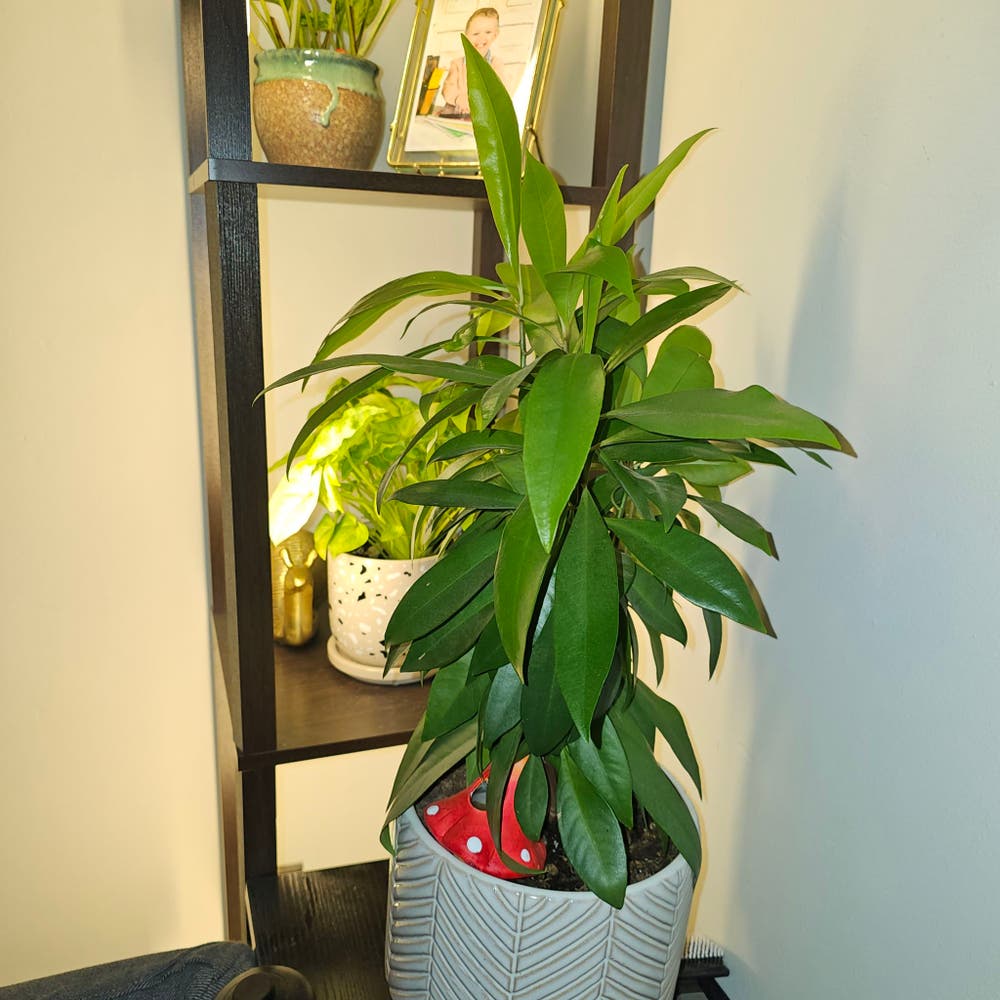
What to Do About Leaves Falling Over on Your Ardisia 🍃
Ardisia awarum
By the Greg Editorial Team
Nov 26, 2024•5 min read
This article was created with the help of AI so we can cover more plants for you. May contain errors. See one? Report it here.
Transform your drooping Ardisia into a thriving beauty 🌿 with essential care tips for vibrant plant health!
- 🌱 Leaf droop in Ardisia often results from light, humidity, and temperature stress.
- 💧 Overwatering or underwatering leads to drooping leaves; check soil moisture regularly.
- 🌿 Nutrient deficiencies weaken Ardisia; use balanced fertilizer every 4-6 weeks.
Causes of Leaf Droop
🌍 Environmental Stress Factors
Leaf droop in Ardisia can often be traced back to environmental stressors. Factors like light, humidity, and temperature play a crucial role in maintaining leaf health.
💡 Light, Humidity, and Temperature Impacts
Insufficient light can lead to weak, drooping leaves. Conversely, too much direct sunlight can scorch them, causing stress.
Humidity levels also matter. Ardisia thrives in higher humidity; low humidity can result in dry, drooping leaves. Temperature fluctuations, especially extreme cold or heat, can further exacerbate these issues.
💧 Overwatering and Underwatering Effects
Watering practices significantly influence leaf droop. Overwatering can suffocate roots, leading to yellowing leaves and mushy stems.
On the other hand, underwatering results in dry, crispy leaves that droop due to lack of moisture. It's essential to find a balance in your watering routine.
🥦 Nutrient Deficiencies Leading to Drooping
Nutrient deficiencies can also cause drooping leaves. A lack of essential nutrients like nitrogen or potassium can weaken the plant, resulting in droopy foliage.
Regularly checking the soil and using a balanced fertilizer can help prevent these deficiencies from affecting your Ardisia.
🐛 Pest Infestations Causing Physical Damage
Pests can wreak havoc on your Ardisia, causing physical damage that leads to drooping leaves. Common culprits include spider mites and aphids, which suck the sap from leaves.
Regular inspections and prompt treatment can help keep these pests at bay, ensuring your plant remains healthy and vibrant.
Understanding these environmental stress factors is key to maintaining the health of your Ardisia. By addressing these issues, you can prevent leaf droop and promote a thriving plant.
Next, let’s explore the symptoms of unhealthy leaves to better identify when your Ardisia needs attention.
Symptoms of Unhealthy Leaves
👀 Visual Indicators
When your Ardisia's leaves start to yellow, wilt, or droop, it's a clear sign that something's off. These visual indicators often signal stress, whether from environmental factors or care practices.
Changes in leaf texture can also reveal underlying issues. If the leaves feel soft or brittle, it's time to investigate further.
🌱 Overall Plant Vigor
Stunted growth is another red flag. If your Ardisia isn't producing new leaves or growing as expected, it may be struggling to thrive.
Reduced leaf production can indicate that the plant is not receiving the nutrients or care it needs. Keeping an eye on these symptoms will help you address problems before they escalate.
Understanding these signs is crucial for maintaining a healthy Ardisia. By recognizing these symptoms early, you can take action to restore your plant's vitality and ensure it continues to flourish.
Watering Practices
🚰 Signs of Overwatering
Overwatering can be detrimental to your Ardisia. Look for symptoms like yellowing leaves, mushy stems, and root rot, which indicate that your plant is drowning.
To assess soil moisture, check for soggy soil. If the soil feels overly wet and doesn't dry out, it's a clear sign that you need to adjust your watering habits.
💧 Signs of Underwatering
On the flip side, underwatering can also lead to drooping leaves. Symptoms include dry, crispy leaves and wilting, which signal that your plant is thirsty.
To determine if your plant is underwatered, check for dry, compacted soil. If the soil feels hard and crumbly, it’s time to give your Ardisia a drink.
🌊 Best Watering Practices
To keep your Ardisia thriving, follow these best watering practices:
- Watering Frequency: Aim to water every 1-2 weeks, adjusting based on your plant's environment.
- Watering Method: Thoroughly soak the soil until water drains from the bottom. This ensures that the roots receive adequate moisture.
- Seasonal Adjustments: Reduce watering during the winter months when the plant's growth slows down.
By following these guidelines, you can maintain a healthy watering routine that supports your Ardisia's growth and vitality. Next, let’s explore preventive measures and care tips to keep your plant in top shape.
Preventive Measures and Care Tips
Regular Maintenance Practices 🌿
Routine inspections are essential for keeping your Ardisia healthy. Check for pests and assess leaf health regularly to catch any issues early.
Cleaning the leaves is another simple yet effective practice. Dust can accumulate and hinder photosynthesis, so gently wipe the leaves to keep them clean and vibrant.
Seasonal Care Adjustments 🍂
As the seasons change, so should your plant care routine. Adjust light exposure to ensure your Ardisia receives the right amount of sunlight throughout the year.
Modifying watering and humidity levels based on climate is crucial. Pay attention to how the weather affects your plant's needs, especially during extreme conditions.
Fertilization Schedule 🌱
Using a balanced, water-soluble fertilizer is recommended for optimal growth. This type of fertilizer provides essential nutrients that your Ardisia craves.
Fertilize every 4-6 weeks during the growing season to support healthy development. Keep an eye out for signs of nutrient deficiency, such as yellowing leaves, and address these issues promptly to maintain plant vigor.
By implementing these preventive measures and care tips, you can ensure your Ardisia thrives and remains a stunning addition to your space. Next, let's explore the best watering practices to keep your plant hydrated and healthy.
⚠️ Safety First
This content is for general information and may contain errors, omissions, or outdated details. It is not medical, veterinary advice, or an endorsement of therapeutic claims.
Always consult a qualified healthcare professional before using any plant as food, medicine, or supplement.
Never eat any plant (or feed one to pets) without confirming its identity with at least two trusted sources.
If you suspect poisoning, call Poison Control (800) 222-1222, the Pet Poison Helpline (800) 213-6680, or your local emergency service immediately.
Spotted an error? Please report it here.
Keep your Ardisia vibrant and happy 🌿 by using Greg's tailored care reminders to meet its specific needs and prevent droopy leaves!