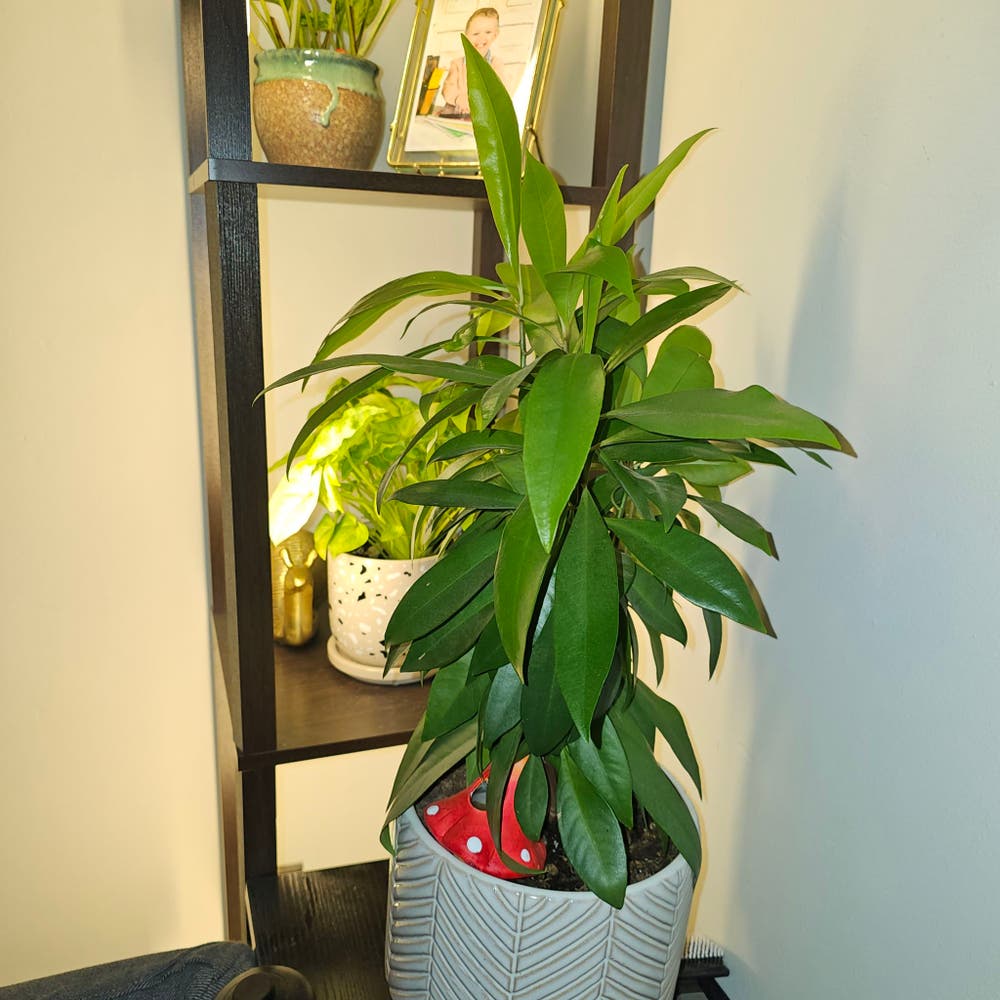
🏡 Ultimate Guide to Indoor Ardisia Care
Ardisia awarum
By the Greg Editorial Team
Nov 26, 2024•6 min read
This article was created with the help of AI so we can cover more plants for you. May contain errors. See one? Report it here.
Elevate your indoor garden with a flourishing Ardisia by mastering its essential care tips! 🌱✨
- 🌞 Indoor Ardisia thrives in bright, indirect light; low light affects growth.
- 💧 Establish a proper watering routine to prevent root rot and promote strong roots.
- 🌿 Monitor humidity levels between 50-70% for optimal growth and health.
General Care for Indoor Ardisia
🌞 Light Requirements
Indoor Ardisia thrives in bright, indirect light. While it can tolerate low light conditions, this may hinder its growth and overall health.
💡 Role of Grow Lights
If your indoor space lacks sufficient natural light, consider using grow lights. These artificial lights can significantly enhance your plant's growth.
Best Grow Light for Indoor Plants
When selecting grow lights for Ardisia, look for full-spectrum LED or fluorescent lights. Aim for a wattage of around 20-40 watts per square foot to ensure optimal growth.
🚰 Watering Needs
Establishing a proper watering routine is crucial for your Ardisia. Allow the topsoil to dry slightly between waterings to prevent root rot.
Recommended Watering Techniques
Deep watering is essential to encourage strong root growth. This method ensures that moisture reaches deeper into the soil, promoting a healthy root system.
⚠️ Signs of Overwatering and Underwatering
Be vigilant for signs of overwatering, such as yellowing leaves or root rot symptoms. Conversely, underwatering may present as wilting leaves and dry soil.
🌬️ Humidity and Temperature Requirements
Indoor Ardisia prefers humidity levels between 50-70%. You can maintain this humidity using humidifiers or pebble trays filled with water.
Temperature Range for Optimal Growth
The ideal temperature for Ardisia is between 18°C to 24°C (65°F to 75°F). Protect your plant from drafts and heat sources to avoid temperature extremes.
🌱 Soil and Fertilization
For optimal growth, use a well-draining potting mix that includes components like peat moss and perlite. This mix promotes soil aeration, which is vital for root health.
Fertilization Schedule and Types
Fertilize your Ardisia every 4-6 weeks during the growing season. Balanced NPK fertilizers or organic options work best to provide essential nutrients.
With these general care tips, your indoor Ardisia will flourish beautifully. Next, let's explore common issues and solutions to keep your plant thriving.
Common Issues and Solutions
🐛 Pests and Diseases
Indoor Ardisia can be susceptible to a few common pests. Keep an eye out for aphids, spider mites, and mealybugs, as they can quickly become a nuisance.
🛡️ Prevention Strategies
Regular inspections are key to maintaining plant health. By checking your Ardisia frequently, you can catch any infestations early.
- Natural Deterrents: Consider using neem oil or insecticidal soap as preventive measures.
- Insecticidal Options: If pests persist, chemical treatments may be necessary, but always follow the instructions carefully.
🤒 Symptoms of Common Diseases
Understanding the signs of disease is crucial for your plant's health. Look for symptoms like leaf spots, root rot, and powdery mildew.
- Leaf Spot: This often appears as dark spots on leaves, indicating fungal issues.
- Root Rot: Yellowing leaves and a foul smell from the soil can signal root problems.
- Powdery Mildew: A white, powdery coating on leaves suggests this fungal infection.
💊 Treatment Options
When it comes to treatment, you have options. Both organic and chemical treatments can be effective, but the best approach often depends on the severity of the issue.
- Organic Treatments: Use natural fungicides or insecticides to minimize chemical exposure.
- Chemical Treatments: If the problem escalates, stronger chemical solutions may be required.
🌱 Importance of Proper Care
Preventing disease starts with proper care. Maintaining optimal light, humidity, and watering practices can significantly reduce the risk of pests and diseases.
By staying vigilant and proactive, you can keep your Ardisia thriving. Next, let’s explore the best placement and maintenance strategies to ensure your plant remains healthy and beautiful.
Placement and Maintenance
Best Locations in the Home 🌞
Finding the right spot for your indoor Ardisia is crucial for its health. Aim to place it near windows that provide bright, filtered light to maximize growth.
Avoid direct sunlight exposure, as it can scorch the leaves. A location that balances light and humidity will keep your Ardisia thriving.
Tips for Maintaining Appearance ✂️
Regular maintenance is key to keeping your Ardisia looking its best. Start with routine leaf cleaning to remove dust and enhance photosynthesis.
Don't forget to prune dead foliage and shape the plant as needed. This not only improves appearance but also encourages healthy growth.
Seasonal Care Adjustments 🌦️
As seasons change, so should your care routine. In winter, reduce watering and monitor humidity levels, as indoor air can become dry.
In contrast, during the growing season, increase watering and consider fertilizing to support new growth. Adapting your care to seasonal shifts ensures your Ardisia remains vibrant year-round.
With the right placement and maintenance, your indoor Ardisia will flourish, setting the stage for advanced care techniques.
Advanced Care Techniques
🌱 Propagation Methods
Propagating Ardisia can be a rewarding experience, allowing you to expand your indoor garden. Two popular methods are stem cuttings and division.
Stem Cuttings: Step-by-Step Guide
- Select a Healthy Stem: Choose a healthy stem with several leaves.
- Cut the Stem: Use a clean, sharp knife to cut a 4-6 inch section just below a leaf node.
- Prepare the Cutting: Remove the lower leaves, leaving a couple at the top.
- Rooting Hormone (Optional): Dip the cut end in rooting hormone to encourage faster root growth.
- Plant the Cutting: Place the cutting in a pot with a well-draining potting mix.
- Water and Cover: Water lightly and cover with a plastic bag or a clear container to maintain humidity.
- Wait for Roots: Keep the cutting in bright, indirect light and check for roots in a few weeks.
This method is moderately difficult but can yield great results with patience.
Division: When and How to Divide Established Plants
Dividing Ardisia is best done when the plant has outgrown its pot or shows signs of overcrowding.
- Timing: The best time to divide is during the spring when the plant is actively growing.
- Remove from Pot: Gently take the plant out of its pot, being careful not to damage the roots.
- Separate the Clumps: Use your hands or a clean knife to divide the root ball into smaller sections, ensuring each has roots and leaves.
- Replant: Plant each section in its own pot with fresh potting mix.
- Water Thoroughly: Water well and place in a location with bright, indirect light.
This method is more challenging but can rejuvenate your plant and promote healthier growth.
🛠️ Troubleshooting Care Challenges
Even with the best care, you may encounter challenges with your Ardisia.
Adjusting Light and Humidity Levels
If your plant shows signs of stress, check its light and humidity levels.
- Light: If leaves are yellowing or dropping, it may need more light. Conversely, if the leaves are scorched, it’s likely receiving too much direct sunlight.
- Humidity: Low humidity can lead to wilting. Consider using a humidifier or pebble trays to increase moisture in the air.
Recognizing and Correcting Nutrient Deficiencies
Nutrient deficiencies can manifest in various ways.
- Signs of Deficiency: Yellowing leaves can indicate nitrogen deficiency, while brown leaf edges may suggest a lack of potassium.
- Solution: Use a balanced fertilizer every 4-6 weeks during the growing season to provide essential nutrients.
By staying observant and responsive to your plant's needs, you can ensure a thriving Ardisia that enhances your indoor space.
Next, let’s explore the best placement and maintenance strategies to keep your Ardisia looking its best.
⚠️ Safety First
This content is for general information and may contain errors, omissions, or outdated details. It is not medical, veterinary advice, or an endorsement of therapeutic claims.
Always consult a qualified healthcare professional before using any plant as food, medicine, or supplement.
Never eat any plant (or feed one to pets) without confirming its identity with at least two trusted sources.
If you suspect poisoning, call Poison Control (800) 222-1222, the Pet Poison Helpline (800) 213-6680, or your local emergency service immediately.
Spotted an error? Please report it here.
Nurture your Indoor Ardisia to thrive 🌿 by leveraging Greg's tailored care reminders and expert advice, ensuring it flourishes in your home!