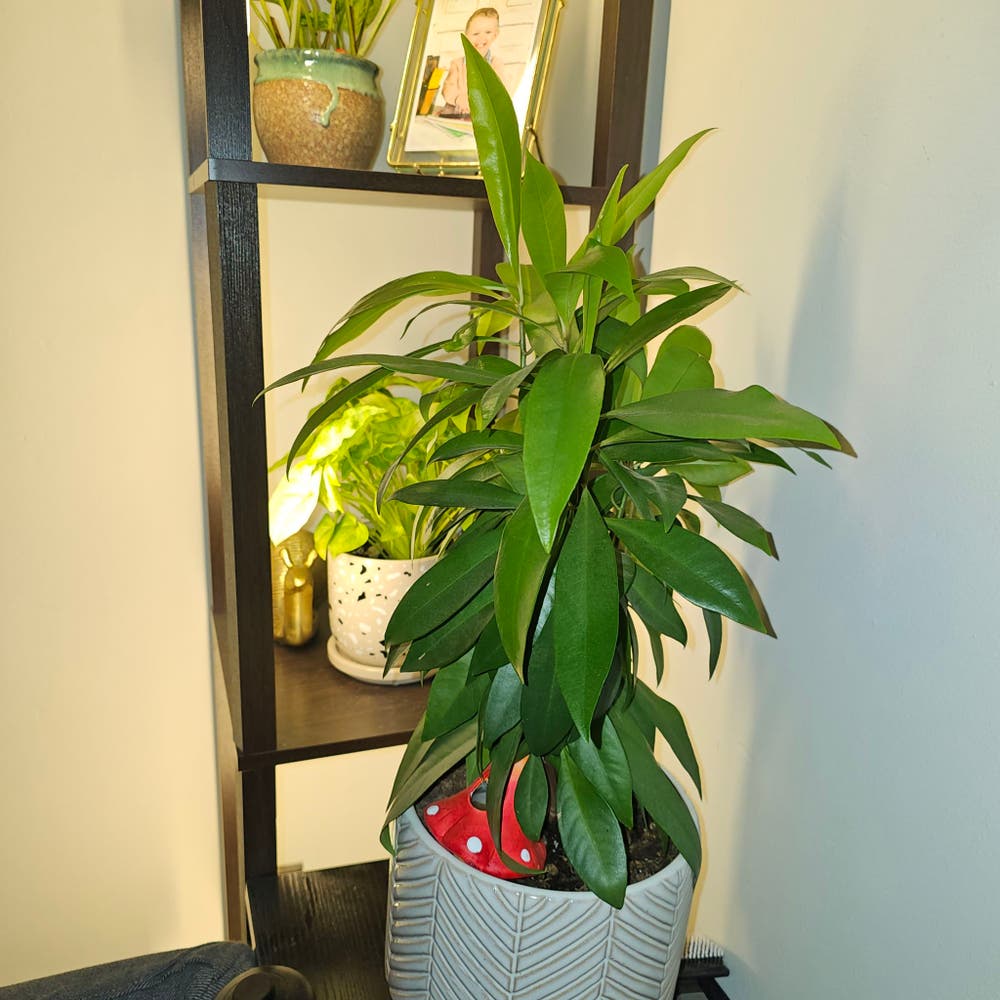
🌸 Ardisia Is a Perennial
Ardisia awarum
By the Greg Editorial Team
Nov 26, 2024•6 min read
This article was created with the help of AI so we can cover more plants for you. May contain errors. See one? Report it here.
Cultivate resilient Ardisia plants 🌱 that bloom vibrantly year after year, transforming your garden into a lush paradise!
- 🌱 Ardisia is a perennial, thriving through germination, growth, flowering, and dormancy cycles.
- 🌼 Peak flowering occurs in late summer, attracting pollinators and enhancing garden beauty.
- 🌍 Tailor care to local climate for optimal growth and longevity of Ardisia plants.
Characteristics of Ardisia as a Perennial
Multi-Year Lifecycle 🌱
Ardisia is a perennial plant that showcases a fascinating lifecycle, consisting of four main stages: germination, growth, flowering, and dormancy. Each stage has its own seasonal expectations, allowing gardeners to anticipate the plant's needs throughout the year.
- Germination typically occurs in spring, when seeds sprout and begin their journey.
- Growth follows, with the plant developing lush foliage and establishing a strong foundation during the warmer months.
- Flowering usually peaks in late summer, bringing vibrant blooms that attract pollinators.
- Finally, dormancy sets in during the colder months, as the plant conserves energy and prepares for the next cycle.
Growth Patterns and Regrowth 🌿
Ardisia exhibits unique growth patterns that repeat annually, showcasing its resilience and adaptability. Each year, the plant produces new leaves and flowers, creating a lush display that enhances any garden.
The root system plays a crucial role in sustaining Ardisia through dormancy. These deep roots store nutrients and moisture, allowing the plant to bounce back vigorously when the growing season returns. This mechanism not only supports regrowth but also contributes to the plant's overall stability and health.
As you cultivate Ardisia, understanding its lifecycle and growth patterns will enhance your gardening experience. This knowledge empowers you to provide the best care, ensuring your perennial thrives year after year.
With a solid grasp of Ardisia's characteristics, you're ready to explore its flowering habits and lifespan in the next section.
Flowering and Lifespan
🌸 Flowering Habits
Ardisia is known for its vibrant blooms that typically occur throughout the growing season. Expect to see flowers emerge in waves, with the timing influenced by factors like light exposure, temperature, and the care you provide.
To maximize flowering, ensure your Ardisia receives adequate sunlight and maintain a consistent watering schedule. The right balance of nutrients also plays a crucial role in encouraging those beautiful blossoms.
⏳ Expected Lifespan
On average, Ardisia can thrive for several years, showcasing vitality and productivity. However, its longevity is influenced by various factors, including environmental conditions, care practices, and resistance to diseases.
Providing optimal care, such as proper watering and pest management, can significantly extend the lifespan of your Ardisia. Remember, a healthy plant is more resilient and can withstand the challenges of its environment.
As you nurture your Ardisia, keep in mind the importance of adapting your care to its needs, ensuring it remains a stunning centerpiece in your garden for years to come. Next, let’s explore the dormancy periods and seasonal changes that affect this resilient perennial.
Dormancy and Seasonal Changes
Dormancy Periods 🌙
Ardisia plants exhibit distinct signs when entering a dormant phase. You might notice a slowdown in growth, yellowing leaves, and a general reduction in activity as the plant conserves energy.
Typically, the dormancy period lasts several weeks to months, depending on environmental conditions. Factors such as temperature drops and reduced daylight trigger this phase, allowing Ardisia to rest and prepare for the next growth cycle.
Seasonal Changes Impact 🌦️
Ardisia is remarkably adaptable to seasonal variations. During warmer months, it thrives with lush foliage and vibrant blooms, while in colder seasons, it conserves resources and focuses on root health.
Seasonal changes can significantly affect the plant's appearance and overall health. For instance, a drop in temperature may lead to leaf shedding, but this is a natural part of its lifecycle, ensuring the plant remains resilient and ready for rejuvenation when conditions improve.
Understanding these dormancy and seasonal changes helps you appreciate the resilience of Ardisia, setting the stage for effective care and cultivation. As we explore the advantages of this perennial, you'll discover how its unique characteristics benefit gardeners year-round.
Advantages for Gardeners
Benefits of Perennial Nature 🌱
Ardisia offers gardeners a stable, long-term plant that thrives year after year. This reliability means less time spent replanting and more time enjoying the lush foliage and vibrant blooms.
The deep root system of Ardisia plays a crucial role in its success. These roots not only anchor the plant securely but also enhance nutrient uptake, ensuring the plant remains healthy and vigorous throughout its lifecycle.
Long-Term Cultivation Strategies 🌿
To maintain Ardisia over the years, consistent care practices are essential. Regular watering, appropriate fertilization, and occasional pruning can significantly enhance the plant's longevity and overall health.
Preparing for dormancy is just as important as nurturing growth. Understanding the seasonal cycles of Ardisia allows gardeners to anticipate its needs, ensuring it emerges strong and ready to flourish when the growing season returns.
Incorporating these strategies will help you cultivate a thriving Ardisia garden, making the most of its perennial nature. As you embrace the rhythms of this plant, you'll find joy in watching it adapt and flourish through the seasons.
Variations Across Climate Zones
🌡️ Influence of Climate
Ardisia's growth and dormancy are significantly influenced by climate. In warmer regions, these perennials may experience longer growing seasons, allowing for more frequent blooms and vigorous growth.
Conversely, in cooler climates, Ardisia may enter dormancy earlier, leading to a shorter active growth period. Understanding these dynamics helps gardeners anticipate the plant's needs throughout the year.
🌍 Climate Adaptations
Different varieties of Ardisia have adapted to thrive in various environments. For instance, some species are more tolerant of humidity, making them ideal for tropical climates, while others can withstand cooler temperatures.
These adaptations allow Ardisia to flourish in diverse settings, from lush gardens to arid landscapes. Recognizing the specific variety you have can enhance your gardening success.
🌱 Adaptations to Growing Conditions
Ardisia is remarkably resilient, adjusting to varying temperature, humidity, and soil conditions. In drier climates, it may develop deeper roots to access moisture, while in more humid areas, it focuses on foliage growth.
To ensure optimal health, tailor your care practices based on your local climate. For example, provide adequate drainage in wet conditions and consider mulching in dry areas to retain moisture.
📝 Tailored Care Tips
Here are some practical care tips based on climate:
- Warm Climates: Ensure consistent watering during dry spells and provide partial shade to prevent leaf scorch.
- Cool Climates: Protect from frost with mulch and consider moving pots indoors during extreme cold.
- Humid Conditions: Monitor for pests and diseases, as higher moisture can encourage their growth.
By adapting your care routine to your climate, you can help your Ardisia thrive year after year. This understanding not only enhances the plant's health but also enriches your gardening experience.
As we explore the advantages of Ardisia's perennial nature, you'll discover how these insights can lead to a flourishing garden.
⚠️ Safety First
This content is for general information and may contain errors, omissions, or outdated details. It is not medical, veterinary advice, or an endorsement of therapeutic claims.
Always consult a qualified healthcare professional before using any plant as food, medicine, or supplement.
Never eat any plant (or feed one to pets) without confirming its identity with at least two trusted sources.
If you suspect poisoning, call Poison Control (800) 222-1222, the Pet Poison Helpline (800) 213-6680, or your local emergency service immediately.
Spotted an error? Please report it here.
Nurture your Ardisia through its vibrant lifecycle with Greg's tailored care tips 🌿 that ensure your plant flourishes beautifully, season after season!