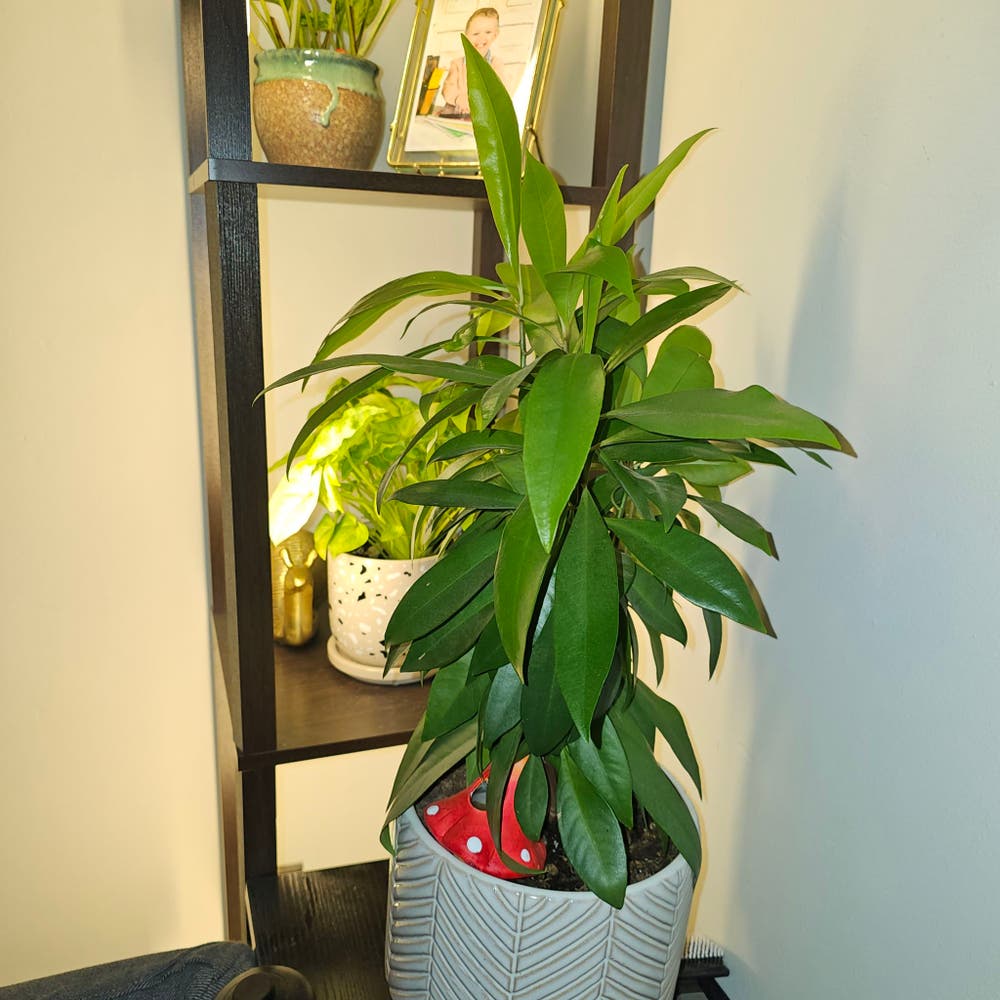
💧 How to Fix Your Ardisia Wilting
Ardisia awarum
By the Greg Editorial Team
Nov 26, 2024•6 min read
This article was created with the help of AI so we can cover more plants for you. May contain errors. See one? Report it here.
Transform your wilting Ardisia back to life with these vital care tips for thriving plants! 🌱
- 💧 Water stress causes wilting; check soil moisture regularly to prevent it.
- ☀️ Heat stress leads to curling leaves; keep Ardisia in a shaded spot.
- 🌿 Inspect for diseases; yellowing leaves need immediate attention and care.
Common Causes of Wilting Leaves
💧 Water Stress
Water stress is a leading cause of wilting in Ardisia plants. Insufficient or excessive watering can lead to dehydration or root rot, manifesting as drooping leaves, dry soil, or overly saturated soil.
These plants respond quickly to changes in moisture levels due to their native humid habitat. Keeping a close eye on soil moisture is essential for their health.
🔥 Heat Stress
Heat stress occurs when Ardisia is exposed to high temperatures or direct sunlight beyond its tolerance. Symptoms include curling leaves, browning at the edges, and an overall droopy appearance.
These plants are particularly sensitive to temperature fluctuations, especially in indirect light conditions. A stable environment is crucial for their well-being.
🦠 Disease-Related Wilting
While less common, certain diseases can also cause wilting in Ardisia. Symptoms to watch for include yellowing leaves and wilting despite adequate care.
Pathogenic wilt is rare, so it's best to focus on environmental factors first. Addressing these issues early can help prevent further complications.
Understanding these common causes of wilting leaves is the first step in restoring your Ardisia to its vibrant self. Next, let’s explore how to diagnose wilting effectively.
Diagnosing Wilting
Step-by-Step Guide 🌱
Diagnosing wilting in your Ardisia starts with a simple assessment of soil moisture. Check the top 2 inches of soil; if it's dry, your plant may be underwatered, while saturation indicates overwatering.
Next, evaluate the environmental conditions surrounding your plant. Measure the temperature and humidity levels to ensure they align with the plant's needs.
Inspecting Leaves 🍃
Now, take a close look at the leaves. Discoloration, curling, or other stress signs can provide crucial clues about your plant's health.
Finally, check for pests or diseases. Examine the undersides of leaves and stems for any signs of infestation, as these can contribute to wilting.
Signs to Look for in Leaves 👀
Healthy Ardisia leaves should be shiny and firm, showcasing their vitality. If you notice dark green leaves turning yellow or brown, this is a clear indicator of stress.
Wilting leaves may feel limp or soft, signaling that your plant needs immediate attention. Recognizing these signs early can help you take action before the situation worsens.
With a solid understanding of how to diagnose wilting, you're now equipped to tackle the underlying issues. Next, let's explore effective solutions to revive your Ardisia and restore its health.
Solutions for Wilting
🌊 Addressing Water Stress
Water stress is a common issue for Ardisia plants, often stemming from either underwatering or overwatering.
For underwatering, ensure you water thoroughly until excess drains from the bottom. Check soil moisture weekly to maintain a healthy balance.
If overwatering is the problem, allow the soil to dry out before the next watering. Consider repotting in well-draining soil if you suspect root rot.
☀️ Addressing Heat Stress
Heat stress can significantly impact your plant's health.
To combat this, relocate the plant to a shadier spot with indirect light. This simple adjustment can make a world of difference.
Additionally, maintain a stable environment between 65°F to 75°F (18°C to 24°C) to keep your Ardisia thriving.
🦠 Addressing Disease-Related Wilting
While less common, disease-related wilting can occur and requires prompt action.
If you suspect disease, start by removing affected leaves and applying appropriate fungicides. This helps prevent further spread.
Improving air circulation is also crucial. Ensure adequate spacing between plants to minimize the risk of fungal growth.
🌱 Techniques for Reviving a Wilted Plant
Reviving a wilted Ardisia involves a few effective techniques.
- Bottom watering: Place the pot in a tray of water for 30 minutes to allow the roots to absorb moisture.
- Temporary relocation: Move the plant to a more suitable environment with stable temperature and humidity.
- Pruning damaged leaves: Trim off severely wilted or damaged leaves to encourage new growth.
These steps can help restore your plant's vitality and ensure it flourishes once again.
By addressing these common issues, you can effectively combat wilting and promote a healthy, vibrant Ardisia. Next, let’s explore preventive measures to keep your plant thriving in the long run.
Preventive Measures
🌱 Environmental Adjustments
Maintaining the right environment is crucial for your Ardisia's health.
To keep humidity levels optimal, consider using a humidifier or placing a pebble tray filled with water beneath the pot. This simple adjustment can significantly enhance moisture retention around the plant.
Temperature is another key factor. Ensure your Ardisia is positioned away from drafts and heat sources to prevent stress. A stable temperature range of 65°F to 75°F (18°C to 24°C) is ideal for promoting healthy growth.
🔍 Regular Monitoring and Care Practices
Regular checks can make a world of difference in plant care.
Inspect the soil moisture weekly to ensure it’s neither too dry nor overly saturated. This proactive approach helps you catch potential issues before they escalate.
Adjust your watering schedule based on seasonal changes and the plant's growth stages. As your Ardisia grows, its needs may shift, so staying attentive will keep it thriving.
By implementing these preventive measures, you can create a nurturing environment that minimizes wilting and promotes vibrant growth.
Next, let's explore when it's time to seek professional help for your plant care challenges.
When to Seek Help
🚨 Signs That Professional Help is Needed
If your Ardisia continues to wilt despite your best care efforts, it may be time to seek professional assistance. Persistent wilting, even after adjusting watering and environmental conditions, can indicate deeper issues.
Look out for signs of severe pest infestations or diseases. If you notice unusual spots, excessive leaf drop, or a rapid decline in plant health, these could be red flags that require expert intervention.
📚 Resources
Local nurseries can be invaluable resources for specific care advice and treatment options tailored to your plant's needs. They often have knowledgeable staff who can provide insights based on firsthand experience.
Consider consulting plant experts for guidance on complex issues that may not be easily resolved at home. Their expertise can help you navigate tricky situations and restore your plant's health.
Engaging with online communities can also be beneficial. These platforms allow you to connect with fellow plant enthusiasts who share tips, experiences, and support, making your plant care journey a little less lonely.
By recognizing when to seek help and utilizing available resources, you can ensure your Ardisia receives the best care possible. This proactive approach will help you tackle any challenges head-on, leading to a healthier, happier plant.
⚠️ Safety First
This content is for general information and may contain errors, omissions, or outdated details. It is not medical, veterinary advice, or an endorsement of therapeutic claims.
Always consult a qualified healthcare professional before using any plant as food, medicine, or supplement.
Never eat any plant (or feed one to pets) without confirming its identity with at least two trusted sources.
If you suspect poisoning, call Poison Control (800) 222-1222, the Pet Poison Helpline (800) 213-6680, or your local emergency service immediately.
Spotted an error? Please report it here.
Keep your Ardisia happy 🌿 and thriving by using Greg's tailored watering reminders and community insights to tackle wilting and ensure optimal care!