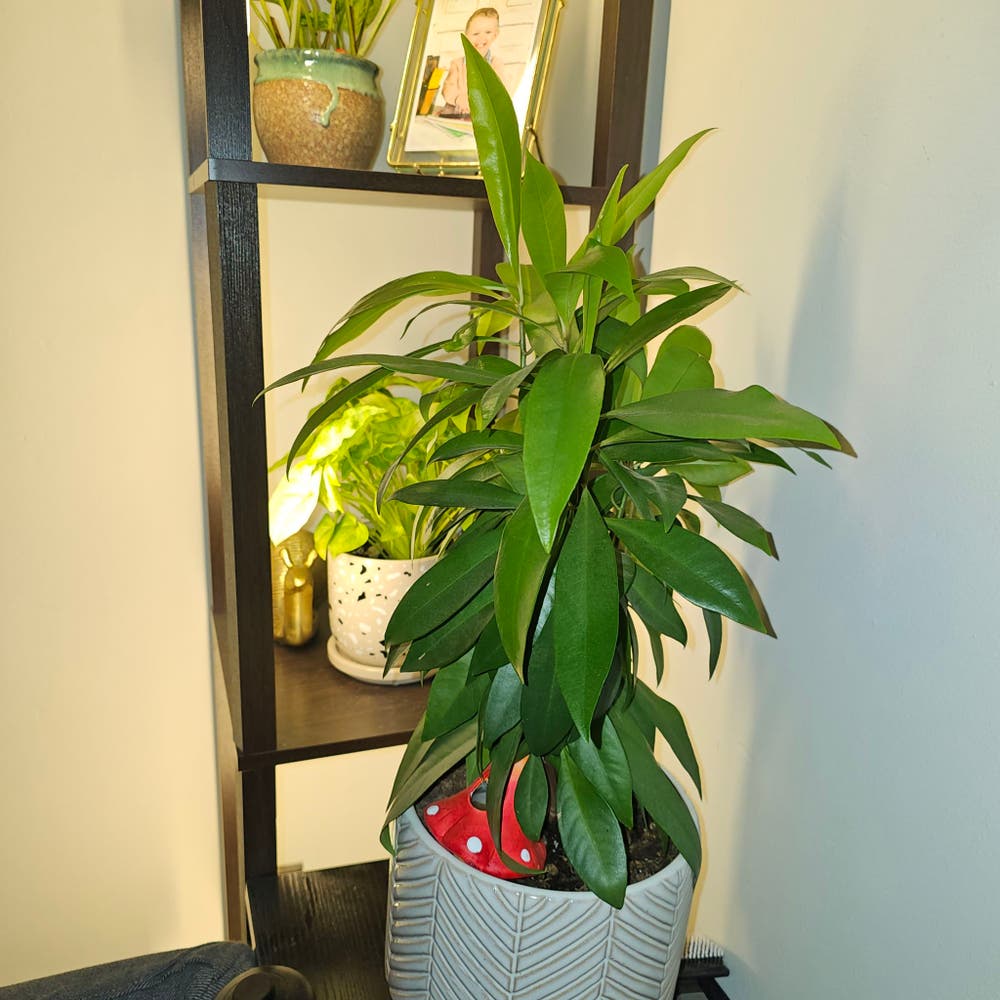
Ultimate Guide to Fertilizing Ardisia 👜
Ardisia awarum
By the Greg Editorial Team
Nov 26, 2024•5 min read
This article was created with the help of AI so we can cover more plants for you. May contain errors. See one? Report it here.
Transform your Ardisia into a lush beauty 🌱 with expert fertilizer tips and application techniques for thriving growth!
- 🌱 Choose between organic or synthetic fertilizers for optimal Ardisia growth.
- 📅 Follow a seasonal fertilization schedule for best results: spring to winter.
- ⚖️ Monitor for over-fertilization signs like leaf burn to maintain plant health.
Types of Fertilizers
When it comes to fertilizing Ardisia, choosing the right type of fertilizer is crucial for healthy growth. You can opt for organic or synthetic fertilizers, each offering unique benefits.
🌱 Recommended Organic Fertilizers
Organic fertilizers are a fantastic choice for those looking to nurture their plants naturally.
- Compost: This nutrient-rich option improves soil structure and provides a slow release of nutrients.
- Fish Emulsion: Packed with nitrogen, this liquid fertilizer promotes lush foliage and overall plant vigor.
- Seaweed Extract: Rich in trace minerals, seaweed extract enhances root development and boosts plant resilience.
These organic options not only feed your Ardisia but also enrich the soil, promoting a sustainable gardening practice.
⚡️ Recommended Synthetic Fertilizers
If you're after quick results, synthetic fertilizers can be effective.
- Balanced NPK Fertilizers: These contain equal parts nitrogen, phosphorus, and potassium, supporting overall plant health.
- Slow-Release Granules: Ideal for busy gardeners, these granules release nutrients gradually, ensuring a steady supply over time.
Synthetic fertilizers can give your Ardisia a boost, especially during critical growth phases.
Choosing the right fertilizer type sets the foundation for your plant's success. Next, let’s dive into the ideal NPK ratios for optimal growth.
NPK Ratios for Optimal Growth
Ideal Ratios 🌱
When it comes to fertilizing Ardisia, the right NPK ratio is crucial for promoting healthy growth. A general recommendation is to use a balanced fertilizer with ratios like 10-10-10 or 20-20-20, which provides equal parts nitrogen, phosphorus, and potassium.
These ratios support overall plant health, encouraging lush foliage and vibrant blooms. By maintaining this balance, you ensure your Ardisia receives the essential nutrients it needs.
Adjusting Ratios ⚖️
Not all Ardisia varieties are created equal, and their nutrient needs can vary. For instance, Ardisia crenata may thrive better with a slightly different ratio than Ardisia japonica.
Adjusting your fertilizer's NPK ratio based on the specific variety can lead to more robust growth. Pay attention to your plants and tweak the ratios accordingly for optimal results.
With the right NPK ratios in place, your Ardisia will flourish, setting the stage for effective fertilization practices. Next, let's explore the best fertilization schedule to keep your plants thriving throughout the year.
Fertilization Schedule
🌱 Seasonal Guide
Fertilizing your Ardisia plants requires a thoughtful approach throughout the year.
- Spring: Apply fertilizer every 4-6 weeks to kickstart growth after dormancy.
- Summer: Increase frequency to every 4 weeks as the plant thrives in warmer weather.
- Fall: Scale back to every 6-8 weeks as growth slows down.
- Winter: Limit fertilization to minimal or no applications, allowing the plant to rest.
📅 Frequency During Growth Stages
The growth stage of your Ardisia plants significantly influences fertilization needs.
- Young Plants: These require more frequent feeding to support their rapid growth. Fertilize every 4 weeks during their active growing season.
- Mature Plants: Once established, mature Ardisia can thrive on a less frequent schedule. Fertilizing every 6-8 weeks is typically sufficient.
Understanding these schedules will help ensure your Ardisia remains healthy and vibrant. With the right timing, your plants will flourish, setting the stage for the next section on application methods.
Application Methods
How to Apply Fertilizer 🌱
When it comes to applying fertilizer to your Ardisia, you have two main methods: surface application and incorporation into the soil. Surface application involves spreading the fertilizer on top of the soil, which is quick and easy, while incorporation means mixing the fertilizer into the soil for better absorption.
Timing is also crucial for effective fertilization. Aim to apply fertilizer early in the morning or late in the afternoon. This helps prevent evaporation and allows the plants to absorb nutrients more efficiently.
Mixing and Diluting Fertilizers 💧
For liquid fertilizers, proper dilution is key to avoiding damage to your plants. A common guideline is to dilute liquid fertilizers to half strength, but always check the specific product instructions for the best results.
When using granular fertilizers, even distribution is essential. To achieve this, sprinkle the granules evenly around the base of the plant and lightly rake them into the top layer of soil. This ensures that your Ardisia receives nutrients uniformly, promoting healthy growth.
Incorporating these application methods into your fertilization routine will set your Ardisia up for success. Next, let’s explore how to avoid over-fertilization and its potential pitfalls.
Avoiding Over-Fertilization
🚩 Signs of Over-Fertilization
Over-fertilization can be detrimental to your Ardisia plants. Look for symptoms like leaf burn, where the edges turn brown and crispy, wilting despite adequate watering, and a noticeable reduction in flowering.
🛠️ Remedies
If you suspect over-fertilization, immediate action is crucial. Flush the soil with plenty of water to dilute excess nutrients and help restore balance.
Adjusting your future fertilization practices can prevent recurrence. Monitor your plants closely and consider reducing the frequency or amount of fertilizer used, especially during sensitive growth stages.
By staying vigilant and responsive, you can ensure your Ardisia thrives without the risks of over-fertilization. Next, let’s explore the best application methods to maximize your fertilization efforts.
⚠️ Safety First
This content is for general information and may contain errors, omissions, or outdated details. It is not medical, veterinary advice, or an endorsement of therapeutic claims.
Always consult a qualified healthcare professional before using any plant as food, medicine, or supplement.
Never eat any plant (or feed one to pets) without confirming its identity with at least two trusted sources.
If you suspect poisoning, call Poison Control (800) 222-1222, the Pet Poison Helpline (800) 213-6680, or your local emergency service immediately.
Spotted an error? Please report it here.
Boost your Ardisia's growth with smart fertilization tips 🌿 from Greg, who'll send you personalized reminders to keep your plant thriving all year long!