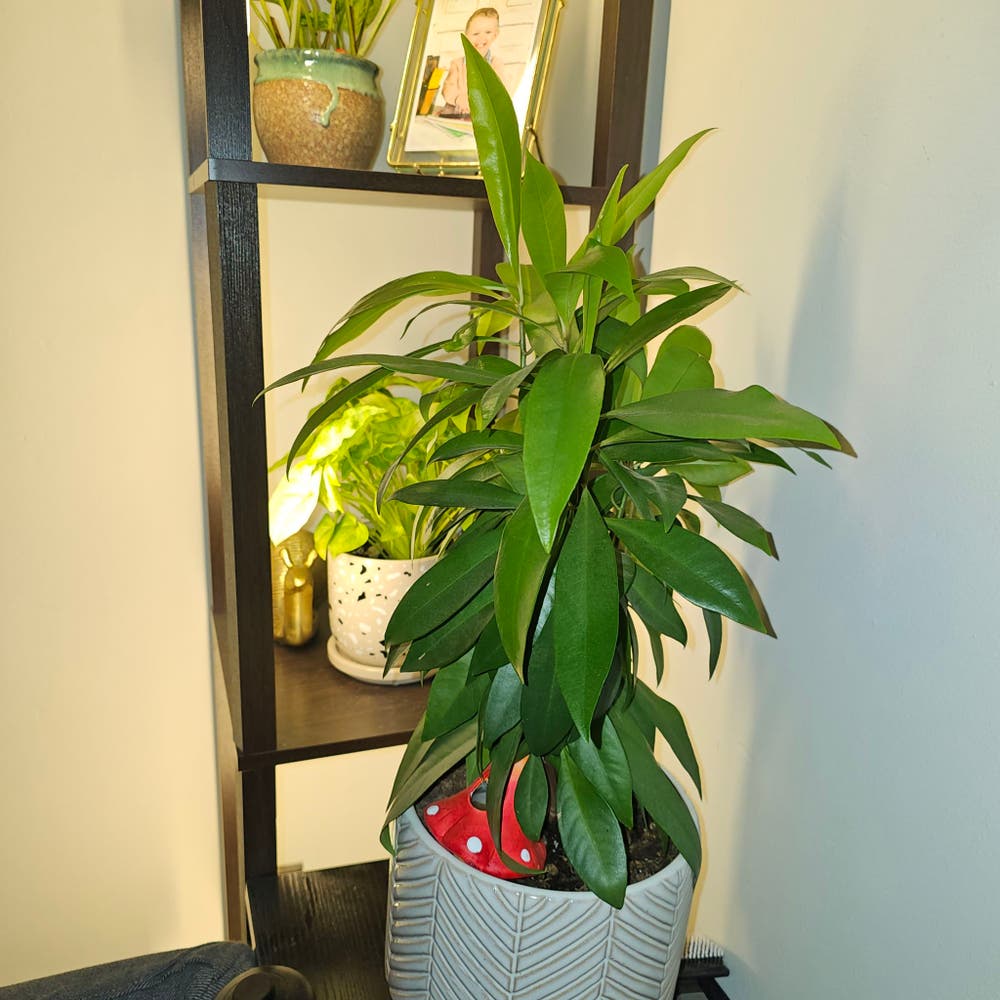
What's Eating Your Ardisia? 🐛
Ardisia awarum
By the Greg Editorial Team
Nov 26, 2024•6 min read
This article was created with the help of AI so we can cover more plants for you. May contain errors. See one? Report it here.
Safeguard your Ardisia from pesky herbivores while nurturing a vibrant garden ecosystem! 🌿✨
- 🦌 Deer and rabbits cause significant damage to Ardisia; use repellents and fencing.
- 🐿️ Squirrels and rodents threaten Ardisia; employ traps and reflective deterrents for protection.
- 🌱 Monitor seasonal herbivore activity to safeguard vulnerable Ardisia plants effectively.
Common Herbivores Affecting Ardisia
🦌 Deer
Signs of presence and damage caused
Deer can be a significant threat to your Ardisia plants. Look for irregularly shaped leaf edges and stripped branches, which indicate browsing patterns, along with hoof prints in muddy areas nearby.
Beneficial vs. harmful interactions
Interactions with deer are generally harmful. They can severely damage or even kill young plants, making them a serious concern for gardeners.
Deterrent methods
To deter deer, consider using chemical repellents with strong scents. Alternatively, you can plant deer-resistant companion plants or use human hair and soap shavings as organic deterrents.
🐇 Rabbits
Signs of presence and damage caused
Rabbits leave clear signs of their presence. Look for gnaw marks on stems and leaves, clipped plants at ground level, and small, round droppings near the base of your Ardisia.
Beneficial vs. harmful interactions
Rabbits are generally harmful to your garden. They can decimate young plants and seedlings, posing a significant risk to your Ardisia.
Deterrent methods
For an easy deterrent, try bitter-tasting sprays. You can also use fencing that is 2-3 feet high or sprinkle cayenne pepper around the plants to keep rabbits at bay.
🐿️ Squirrels
Signs of presence and damage caused
Squirrels can cause noticeable damage to Ardisia. Look for chewed leaves and stems, as well as digging around the base of the plant, often accompanied by nesting materials like twigs and leaves.
Beneficial vs. harmful interactions
Interactions with squirrels are generally harmful. They can inflict significant damage on young plants, making them unwelcome visitors in your garden.
Deterrent methods
To keep squirrels away, consider using commercial squirrel repellents. You can also employ scare tactics, such as reflective tape or noise makers, to deter them organically.
🐦 Birds
Signs of presence and damage caused
Birds can be both friends and foes. Look for pecking marks on berries and flowers, scattered seeds, and signs of nesting activity in nearby areas.
Beneficial vs. harmful interactions
Birds are generally beneficial to your garden. They assist with pollination and seed dispersal, enhancing the overall health of your ecosystem.
Deterrent methods
Typically, no chemical deterrents are used against birds. Instead, consider netting over plants or placing reflective objects to deter feeding.
🐭 Rodents (mice, voles, etc.)
Signs of presence and damage caused
Rodents can be sneaky pests. Signs include tunnels or burrows near the plant, gnawed roots and stems, and small, dark droppings around the base.
Beneficial vs. harmful interactions
Rodents are generally harmful. They can undermine plant stability and health, leading to serious issues for your Ardisia.
Deterrent methods
For rodent control, use caution with chemical deterrents like rodent baits. Organic methods include trapping and utilizing natural predators, such as cats, to keep them in check.
🦡 Groundhogs/Woodchucks
Signs of presence and damage caused
Groundhogs can wreak havoc on your garden. Look for large holes dug near the plant, significant leaf and stem damage, and clear grazing patterns indicating heavy feeding.
Beneficial vs. harmful interactions
These animals are generally harmful. They can destroy entire plants in a short time, making them a top concern for gardeners.
Deterrent methods
To deter groundhogs, consider using commercial repellents with strong odors. Organic methods include fencing that is 3-4 feet high and planting deterrent species nearby.
Understanding these common herbivores and their impacts on Ardisia is crucial for maintaining a healthy garden. By implementing effective deterrent methods, you can protect your plants while fostering a balanced ecosystem. Next, let’s explore the beneficial animals that can enhance your garden's health.
Beneficial Animals and Ecosystem Impact
🐝 Description of beneficial animals attracted to Ardisia
Ardisia plants are a magnet for beneficial wildlife. Pollinators like bees and butterflies flock to their vibrant flowers, playing a crucial role in the reproductive cycle of these plants.
Birds also contribute positively by consuming the berries and dispersing seeds, helping to propagate new Ardisia plants in the surrounding area.
🌱 Positive impacts on the garden ecosystem
The presence of these beneficial animals leads to enhanced pollination, which results in better fruit set for Ardisia. This not only boosts the plant's health but also enriches the garden's overall biodiversity.
Increased wildlife activity fosters a balanced ecosystem, creating a thriving environment for both plants and animals. Embracing these interactions can transform your garden into a vibrant habitat, showcasing the beauty of nature at work.
As we appreciate the benefits of these animals, it’s essential to consider how to protect Ardisia from potential herbivores while maintaining this delicate balance.
General Strategies for Protecting Ardisia
🛡️ Preventive Measures for Herbivore Damage
To safeguard your Ardisia, start with plant selection. Opt for resistant varieties that are less appealing to common herbivores.
Next, consider strategic placement. Position your plants away from known herbivore pathways to minimize encounters.
🐾 Reactive Solutions for Managing Animal Interactions
Regular monitoring is essential. Inspect your plants frequently for early signs of damage to catch issues before they escalate.
When you notice damage, take immediate action. Implement deterrents right away to protect your plants from further harm.
🌱 Balancing Ecosystem Health While Protecting Ardisia
Encouraging beneficial wildlife is key. While you manage harmful interactions, attract pollinators and other helpful creatures to your garden.
Utilize integrated pest management (IPM) strategies. This approach balances the needs of your plants with the health of the ecosystem, ensuring a thriving garden.
By adopting these strategies, you can effectively protect your Ardisia while fostering a vibrant garden environment. Next, let’s explore seasonal considerations that can impact your plants and the animals around them.
Seasonal Considerations
Seasonal Variations in Animal Attraction to Ardisia 🐦
As the seasons change, so does the activity of herbivores and birds around your Ardisia plants. In spring, the emergence of fresh growth draws in herbivores eager for tender leaves, making this a critical time for plant protection.
By fall, the focus shifts to birds, which flock to the ripe berries. This seasonal shift highlights the importance of timing in managing animal interactions with your garden.
Timing of Plant Vulnerability and Animal Activity ⏰
Young shoots are particularly vulnerable in early spring when they first appear. This is when herbivores are most active, seeking out new growth to munch on.
As summer transitions to fall, the ripening of berries attracts various animals. Understanding these patterns can help you implement protective measures at the right times, ensuring your Ardisia thrives throughout the seasons.
With this knowledge, you can better prepare for the challenges and opportunities each season brings, enhancing the health of your garden ecosystem.
Toxicity and Safety
Toxic Effects of Ardisia on Animals 🐾
Ardisia species can contain compounds that are mildly toxic to certain herbivores. While the toxicity is generally low, affected animals may experience mild gastrointestinal upset after consuming the plant.
Implications for Animal Interactions and Garden Safety 🦺
Understanding the potential toxicity of Ardisia is crucial for managing animal behavior in your garden. Educating gardeners about these effects can promote safer planting practices, especially in mixed gardens where various wildlife may interact with the plants.
By being aware of these factors, you can create a more harmonious environment that balances the beauty of Ardisia with the safety of local wildlife. This knowledge empowers you to make informed decisions that enhance your garden's ecosystem while protecting its inhabitants.
As we explore further, let’s look at how to implement general strategies for protecting Ardisia from herbivores effectively.
⚠️ Safety First
This content is for general information and may contain errors, omissions, or outdated details. It is not medical, veterinary advice, or an endorsement of therapeutic claims.
Always consult a qualified healthcare professional before using any plant as food, medicine, or supplement.
Never eat any plant (or feed one to pets) without confirming its identity with at least two trusted sources.
If you suspect poisoning, call Poison Control (800) 222-1222, the Pet Poison Helpline (800) 213-6680, or your local emergency service immediately.
Spotted an error? Please report it here.
Keep your Ardisia thriving and deer-free 🦌 with Greg's tailored pest management strategies and reminders for early damage detection!