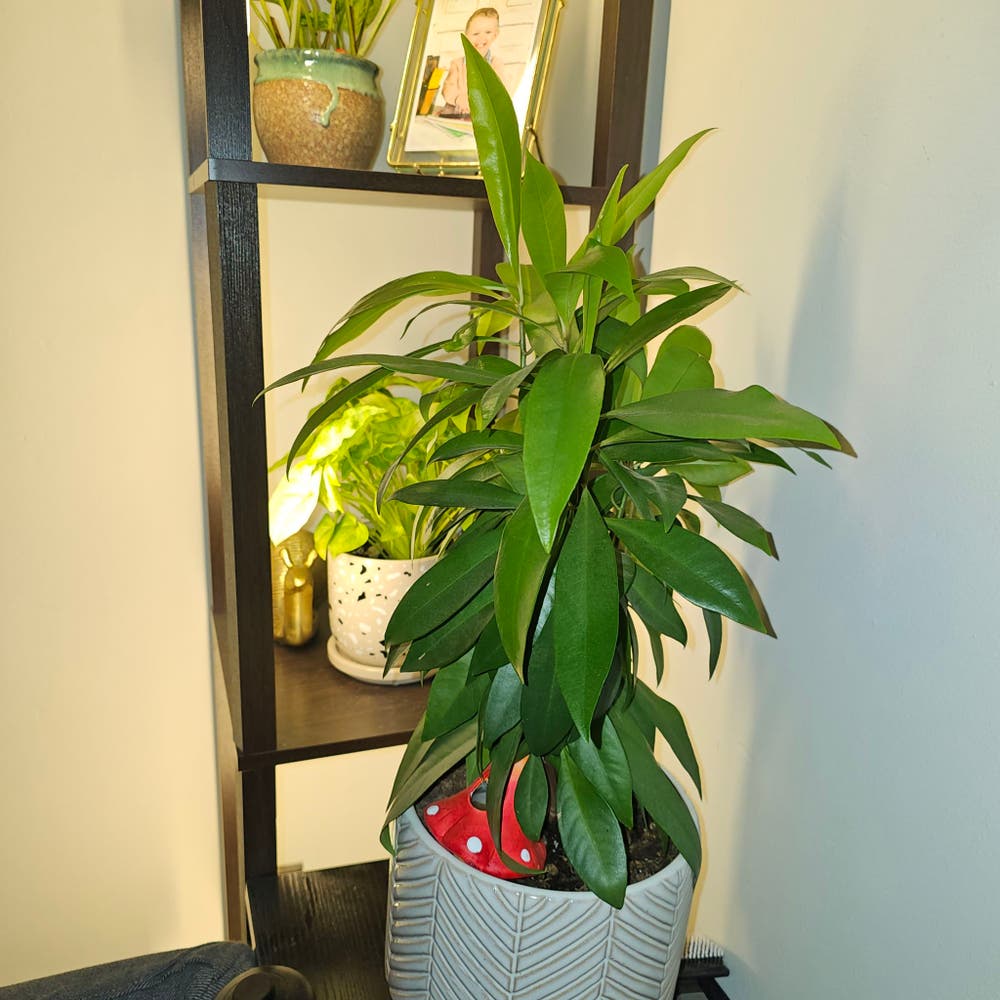
Best Tips for Dropping Leaves on Ardisia 🍂
Ardisia awarum
By the Greg Editorial Team
Nov 26, 2024•6 min read
This article was created with the help of AI so we can cover more plants for you. May contain errors. See one? Report it here.
Transform your Ardisia's health and prevent leaf drop with these vital care strategies! 🌿✨
- 🍃 Yellowing and browning leaves indicate stress; monitor for care issues.
- 💧 Check soil moisture regularly; water when the top inch feels dry.
- 🌞 Provide bright, indirect light to prevent leaf drop and promote healthy growth.
Diagnosing Leaf Drop Issues
🌿 Identifying Symptoms of Leaf Drop
When it comes to Ardisia, the first signs of trouble often manifest as leaf yellowing and browning. These symptoms can indicate stress, whether from environmental factors or care practices.
Premature leaf shedding is another common issue. If you notice leaves dropping unexpectedly, it’s a clear signal that something isn’t right with your plant.
💧 Assessing Soil Moisture Levels
To determine if your Ardisia is suffering from improper watering, start with a simple finger test. Insert your finger into the soil; if it feels dry an inch down, it’s time to water.
Alternatively, a moisture meter can provide a more precise reading. Ideally, the soil should remain consistently moist but not soggy, as Ardisia thrives in well-draining conditions.
🐜 Checking for Pests and Diseases
Pests can wreak havoc on your Ardisia, with spider mites and aphids being the most common culprits. Look for signs of infestation, such as webbing or sticky residue on leaves.
In addition to pests, diseases can also lead to leaf drop. Keep an eye out for any unusual spots or discoloration on the leaves, as these may indicate a more serious issue.
☀️ Evaluating Light Exposure
Assessing light conditions is crucial for your Ardisia's health. Observe the orientation of the leaves; if they’re stretching towards a light source, your plant may not be getting enough light.
To optimize growth, consider adjusting your plant's placement. Moving it closer to a window or using grow lights can significantly improve its light exposure and overall vitality.
By diagnosing these issues early, you can take proactive steps to ensure your Ardisia remains healthy and vibrant. Next, we’ll explore effective strategies for preventing leaf drop in the first place.
Preventing Leaf Drop
💧 Ideal Watering Practices for Ardisia
Watering your Ardisia correctly is crucial for its health. Aim to water when the top inch of soil feels dry, typically every 1-2 weeks, depending on your environment.
Proper watering is indicated by soil that feels moist but not soggy. If the soil retains moisture well and has a crumbly texture, you’re on the right track.
☀️ Optimal Light Conditions for Healthy Growth
Finding the right spot for your Ardisia indoors can make all the difference. Ideally, place it in bright, indirect light to promote lush growth.
As seasons change, adjust its location to ensure it receives adequate light. This simple shift can prevent stress and leaf drop.
🌫️ Maintaining Humidity Levels
Humidity plays a vital role in keeping your Ardisia thriving. Aim for a humidity level between 50-70% to mimic its natural tropical habitat.
To boost humidity, consider using pebble trays filled with water or a humidifier. These methods can create a more favorable environment for your plant.
🌱 Proper Fertilization Schedule
Fertilizing your Ardisia during the growing season is essential for robust growth. A balanced NPK fertilizer applied every 4-6 weeks will provide the necessary nutrients.
Choose fertilizers that promote healthy foliage and root development. This proactive approach helps prevent nutrient deficiencies that can lead to leaf drop.
By implementing these preventive measures, you can significantly reduce the risk of leaf drop in your Ardisia. Next, we’ll explore effective treatments for any leaf drop problems that may arise.
Treating Leaf Drop Problems
🌊 Steps to Take for Overwatered Ardisia
Overwatering can be a significant issue for Ardisia, leading to leaf drop. Start by assessing soil moisture and drainage to determine if the roots are sitting in waterlogged conditions.
Next, carefully remove the plant from its pot and inspect the roots for any signs of rot. If you find rotten roots, trim them away and repot the plant in fresh, well-draining soil to promote recovery.
💧 Remedies for Underwatered Ardisia
Underwatering is another common cause of leaf drop. To remedy this, gradually increase your watering frequency to ensure the plant receives adequate moisture.
Soak the plant in water for about 30 minutes to help rehydrate it effectively. Afterward, monitor the soil moisture regularly to prevent this issue from recurring.
🐛 Pest Control Methods for Ardisia
Pests can also contribute to leaf drop in Ardisia. Consider using organic pest control options like neem oil or insecticidal soap to manage infestations safely.
Regular inspections are crucial for early detection of pests. Catching them early can save your plant from significant damage.
🌬️ Adjusting Environmental Conditions
Creating a stable environment is essential for the health of your Ardisia. Avoid placing the plant near drafts or heat sources, as these can stress the plant and lead to leaf drop.
Additionally, using grow lights during winter can help supplement natural light. This adjustment ensures your plant receives enough light to thrive, even in less-than-ideal conditions.
By addressing these issues, you can effectively treat leaf drop problems and help your Ardisia flourish once again. Next, let’s explore post-drop care to ensure your plant's recovery is on the right track.
Post-Drop Care
Pruning Techniques for Damaged Leaves 🌿
Pruning is essential for maintaining the health of your Ardisia after leaf drop. Aim to prune damaged leaves as soon as you notice them, using clean, sharp tools to make precise cuts.
Clean cuts help prevent infections, allowing your plant to heal more effectively. Always remove any dead or yellowing leaves to encourage new growth and improve overall appearance.
Monitoring Recovery After Leaf Drop 👀
After pruning, keep an eye on your Ardisia for signs of recovery. Look for new growth and improved leaf health as indicators that your plant is bouncing back.
Adjust your care practices based on how well your plant is recovering. If you notice new leaves sprouting, it’s a good sign that your efforts are paying off.
Long-Term Care Strategies to Prevent Recurrence 🛠️
Establishing a consistent care routine is vital for the long-term health of your Ardisia. Regular watering, appropriate light exposure, and humidity management will help keep your plant thriving.
Additionally, make it a habit to monitor your plant for early signs of stress. Catching issues before they escalate can save your Ardisia from future leaf drop problems.
By following these post-drop care strategies, you can ensure your Ardisia remains healthy and vibrant for years to come. Now, let’s explore how to prevent leaf drop in the first place!
⚠️ Safety First
This content is for general information and may contain errors, omissions, or outdated details. It is not medical, veterinary advice, or an endorsement of therapeutic claims.
Always consult a qualified healthcare professional before using any plant as food, medicine, or supplement.
Never eat any plant (or feed one to pets) without confirming its identity with at least two trusted sources.
If you suspect poisoning, call Poison Control (800) 222-1222, the Pet Poison Helpline (800) 213-6680, or your local emergency service immediately.
Spotted an error? Please report it here.
Keep your Ardisia leafy and lush 🍃 by using Greg's tailored care reminders to ensure optimal light, water, and humidity levels while keeping pests at bay!