❄️ 6 Winter Threats to Your Ardisia
Ardisia awarum
By the Greg Editorial Team
Nov 26, 2024•5 min read
This article was created with the help of AI so we can cover more plants for you. May contain errors. See one? Report it here.
Ensure your Ardisia flourishes through winter with these essential care tips for this resilient evergreen! 🌿
- 🌲 Ardisia thrives in winter, maintaining lush foliage and photosynthesis year-round.
- ❄️ Protect from frost by covering or relocating indoors when temperatures drop below 32°F.
- 💧 Water every 2-3 weeks in winter; check soil moisture to avoid overwatering.
Characteristics of Evergreen Ardisia in Winter
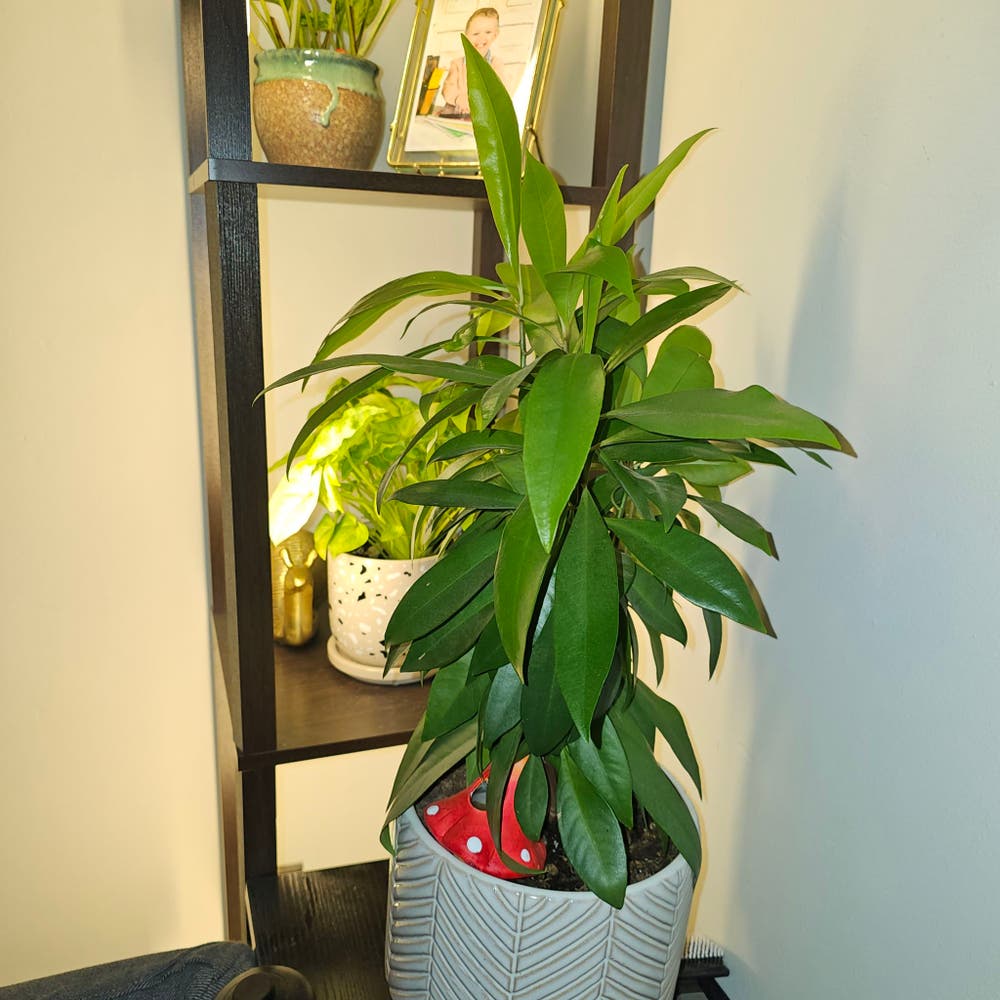
Ardisia is a stunning evergreen plant that retains its lush foliage throughout the winter months. Unlike deciduous plants, which shed their leaves and enter dormancy, Ardisia stands out by maintaining its vibrant green leaves, providing a splash of color during the colder season.
This evergreen characteristic is crucial for winter care. The ability to photosynthesize year-round allows Ardisia to remain healthy and robust, even when temperatures drop. In contrast, deciduous plants can struggle, leaving them vulnerable to winter stress and damage.
Understanding these differences helps gardeners provide the right care. By recognizing the unique needs of Ardisia, you can ensure it thrives through winter, setting the stage for a flourishing spring.
Winter Care Requirements
Adjusting Watering Schedules for Winter 🌨️
During winter, it's crucial to modify your watering frequency for Ardisia. This evergreen plant requires less water as it enters a dormant phase, so aim for a schedule of every 2-3 weeks.
To ensure your Ardisia thrives, check the soil moisture by inserting your finger 1-2 inches deep. If it feels dry, it's time to water; if it's still moist, hold off.
Be vigilant for signs of overwatering, such as yellowing leaves or a musty smell, which can indicate root rot. Proper drainage is essential, so consider using pots with drainage holes and avoid letting the plant sit in standing water.
Fertilizing Ardisia During Winter Months ❄️
Fertilization during winter should be approached with caution. As Ardisia goes dormant, reducing fertilization is necessary to prevent nutrient buildup.
If you choose to fertilize, opt for a balanced, slow-release formula. A single application in late winter is usually sufficient, but monitor your plant for signs of nutrient deficiencies, such as pale leaves or stunted growth.
By adjusting your care routine, you can help your Ardisia stay healthy and vibrant through the winter months. As we move forward, let’s explore how to protect your Ardisia from frost threats.
Protection from Frost
❄️ Identifying Frost Threats to Ardisia
Winter brings unique challenges for your Ardisia, particularly from frost. Common frost threats include sudden drops in temperature and prolonged cold spells, which can harm your plant.
Different species of Ardisia have varying temperature thresholds for frost damage. Generally, temperatures below 32°F (0°C) can start to cause issues, leading to visible signs of distress.
Watch for signs of frost damage on your Ardisia leaves and stems. These may include browning edges, wilting, or a mushy texture, indicating that your plant is struggling.
🛡️ Methods for Frost Protection
Protecting your Ardisia from frost is crucial for its survival. Here are some effective strategies to keep your plant safe during the chilly months.
Covering Plants: Use frost cloth or burlap to cover your Ardisia during particularly cold nights. This simple barrier can provide essential insulation.
Using Mulch: Apply a layer of mulch around the base of your plant. This helps insulate the roots and maintain soil temperature.
Relocating Potted Ardisia: If your Ardisia is in a pot, consider moving it to a sheltered area, such as a garage or a porch, during frost warnings.
Additionally, stay vigilant by monitoring local weather forecasts for frost warnings. Being proactive can make all the difference in protecting your beloved Ardisia from winter's chill.
With these frost protection methods, you can ensure your Ardisia thrives even in the coldest months. Next, let’s explore how to care for your Ardisia indoors during winter.
Indoor Winter Care
🌬️ Transitioning Ardisia Indoors
As winter approaches, it's crucial to bring your Ardisia indoors before the first frost hits. Timing is everything; aim to transition your plant when nighttime temperatures consistently drop below 50°F (10°C).
Once inside, create the ideal environment for your Ardisia. Maintain a temperature range of 60°F to 75°F (15°C to 24°C) and ensure humidity levels are moderate to high. This helps your plant thrive during the colder months.
Acclimatization is key to preventing shock. Gradually introduce your Ardisia to indoor conditions over a few days, allowing it to adjust to the new environment without stress.
🏠 Indoor Care Tips for Ardisia During Winter
Adjusting your watering practices is essential for indoor care. Indoor air tends to be drier, so check the soil moisture regularly and water when the top inch feels dry.
Light exposure is another critical factor. Aim for bright, indirect sunlight to keep your Ardisia healthy. If natural light is limited, consider using grow lights to supplement.
Lastly, keep an eye out for pests and diseases. Indoor environments can foster unwanted guests, so regular monitoring will help you catch any issues early, ensuring your Ardisia remains vibrant and healthy throughout winter.
With these tips, your Ardisia will not only survive but thrive indoors during the chilly months. As you prepare for spring, remember to assess its health and readiness for the outdoor transition.
Spring Preparation and Recovery
🌨️ Signs of Winter Damage in Ardisia
As winter fades, it's crucial to check your Ardisia for signs of stress. Look for yellowing or wilting leaves, which can indicate that your plant has struggled through the colder months.
Stunted growth or unexpected leaf drop are also common indicators of winter damage. Additionally, inspect for any harm to berries or flower buds, as this can affect your plant's overall vitality.
🌱 Steps for Recovery and Spring Care
If you notice damage, don’t worry—there are steps you can take to help your Ardisia bounce back. Start by pruning any dead or damaged foliage to encourage new growth.
Next, gradually reintroduce fertilizer in early spring. A balanced approach will provide the nutrients your plant needs as it wakes from dormancy.
Adjust your watering schedule as temperatures rise, ensuring your Ardisia receives adequate moisture without becoming waterlogged.
Keep an eye out for pests and diseases, as these can become more prevalent after winter. Regular monitoring will help you catch any issues early.
Finally, focus on encouraging new growth and berry production as spring progresses. With the right care, your Ardisia will thrive and bring beauty to your space once again.
Transitioning into spring care not only revitalizes your plant but also sets the stage for a vibrant growing season ahead.
⚠️ Safety First
This content is for general information and may contain errors, omissions, or outdated details. It is not medical, veterinary advice, or an endorsement of therapeutic claims.
Always consult a qualified healthcare professional before using any plant as food, medicine, or supplement.
Never eat any plant (or feed one to pets) without confirming its identity with at least two trusted sources.
If you suspect poisoning, call Poison Control (800) 222-1222, the Pet Poison Helpline (800) 213-6680, or your local emergency service immediately.
Spotted an error? Please report it here.
Keep your Ardisia thriving this winter ❄️ with Greg's tailored watering reminders and care tips that ensure your plant stays healthy and vibrant all season long!