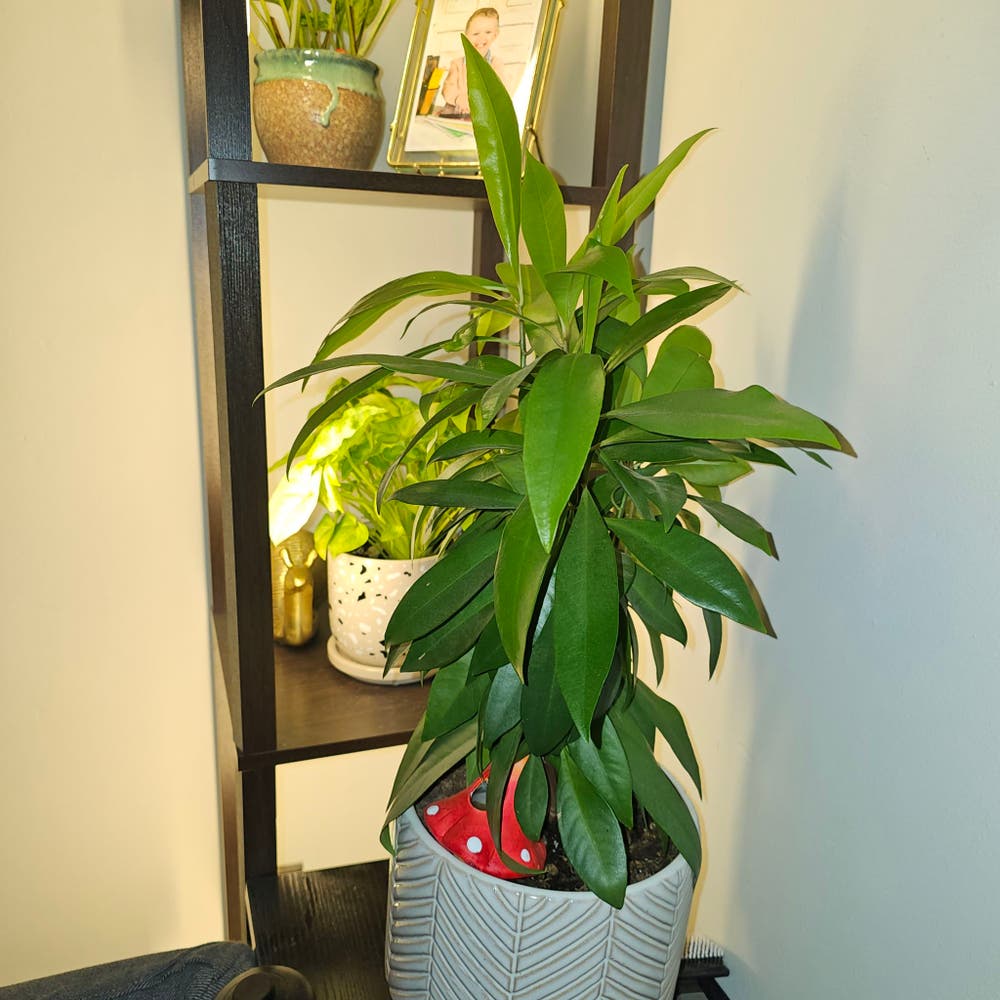
Everything You Need to Know to Grow Ardisia
Ardisia awarum
By the Greg Editorial Team
Nov 26, 2024•9 min read
This article was created with the help of AI so we can cover more plants for you. May contain errors. See one? Report it here.
Cultivate a vibrant space with thriving Ardisia plants by mastering their light, soil, and care needs! 🌱
- 🌞 Ardisia thrives in indirect sunlight; avoid direct exposure to prevent leaf scorch.
- 🌡️ Ideal temperature for Ardisia is 60°F to 75°F; protect from cold.
- 🌱 Well-draining, organic-rich soil is essential for healthy Ardisia growth.
Choosing the Right Location
🌞 Sunlight Requirements
To thrive, Ardisia plants prefer indirect sunlight. This light condition promotes optimal growth, allowing the plant to flourish without the risk of damage.
However, too much direct sunlight can lead to leaf scorch and stunted growth. It's essential to find that sweet spot where your Ardisia can soak up the light without being overwhelmed.
🌡️ Temperature Preferences
Ardisia plants thrive in a comfortable temperature range of 60°F to 75°F (15°C to 24°C). Keeping your plant within this range ensures it remains healthy and vibrant.
These plants are sensitive to cold, making them vulnerable to frost damage. Ideally, they grow best in hardiness zones 9 to 11, so consider your local climate when choosing a location.
Finding the right balance of light and temperature is crucial for your Ardisia's success. Once you've nailed down these conditions, you can move on to preparing the soil for planting.
Soil Preparation
Ideal Soil Types and pH Levels 🌱
To grow healthy Ardisia, start with well-draining soil rich in organic matter. This ensures that the roots have access to the nutrients they need without becoming waterlogged.
The ideal pH range for Ardisia is between 5.5 and 6.5. This slightly acidic environment promotes optimal nutrient uptake, helping your plant thrive.
Amendments and Drainage Considerations 💧
Adding organic amendments like compost and peat moss is crucial. These materials enhance moisture retention, providing a steady supply of water to your plant.
For effective drainage, consider incorporating perlite or sand into your soil mix. This prevents root rot, a common issue that can arise from overly saturated soil.
With the right soil preparation, your Ardisia will have a solid foundation for growth. Next, let's explore the step-by-step planting instructions to get your plant in the ground successfully.
Planting Instructions ((difficulty:easy))
Step-by-Step Planting 🌱
Planting Ardisia is straightforward and rewarding. Start by choosing a suitable location that meets its light and temperature needs.
Next, prepare the soil by mixing in organic amendments like compost or peat moss. This enriches the soil and improves moisture retention.
Dig a hole that is twice the width of the root ball. This allows the roots to spread out comfortably.
Carefully place the plant in the hole, ensuring the top of the root ball is level with the soil surface. This positioning is crucial for healthy growth.
Backfill the hole with soil and water thoroughly. This helps eliminate air pockets and settles the soil around the roots.
Spacing and Depth Considerations 📏
When planting multiple Ardisia, maintain a recommended spacing of 2-3 feet apart for outdoor planting. This spacing allows each plant to thrive without overcrowding.
Ensure that the roots are covered adequately but not buried too deep. Proper depth is essential for healthy root development and overall plant vigor.
With these planting instructions, you're well on your way to cultivating a thriving Ardisia garden. Next, let’s explore the watering needs to keep your plants healthy and vibrant.
Watering
Frequency and Methods 🌊
Watering your Ardisia is crucial for its health. A good rule of thumb is to water when the top inch of soil feels dry.
Deep watering is the way to go. This method encourages the roots to grow deeper, making your plant more resilient.
Signs of Overwatering and Underwatering 🚨
Keep an eye on your plant for signs of overwatering. Yellowing leaves and root rot are clear indicators that you might be giving it too much water.
On the flip side, underwatering can lead to wilting leaves and dry soil. If you notice these symptoms, adjust your watering schedule accordingly.
Understanding these watering needs will help your Ardisia thrive. Next, let’s dive into the essentials of fertilizing your plant for optimal growth.
Fertilizing
🌱 Types of Fertilizers
When it comes to fertilizing Ardisia, choosing the right type is crucial. Balanced NPK fertilizers, like the 10-10-10 formulation, provide essential nutrients for robust growth.
Organic options are also excellent, offering a natural approach that enriches the soil. Slow-release fertilizers are particularly beneficial, as they supply nutrients gradually, ensuring your plant receives a steady stream of nourishment.
📅 Fertilization Schedule and Techniques
To keep your Ardisia thriving, fertilize every 4-6 weeks during the growing season. This regular schedule helps maintain optimal health and growth.
You can apply fertilizers in two effective ways: incorporate them into the soil before planting or use them as a top dressing around established plants. Both methods work well, so choose the one that fits your gardening style best.
With the right fertilization routine, your Ardisia will flourish, setting the stage for a vibrant plant care journey. Next, let’s explore the essential practice of pruning to enhance your plant's growth and health.
Pruning
When and How to Prune 🌱
The best time to prune your Ardisia is late winter or early spring, just before new growth begins. This timing ensures that your plant can recover quickly and thrive with fresh, healthy foliage.
To prune effectively, focus on removing dead or damaged leaves. Shaping the plant during this process will also promote a more attractive appearance and encourage bushier growth.
Benefits of Pruning ✂️
Pruning not only enhances the aesthetic appeal of your Ardisia but also improves air circulation around the plant. This increased airflow helps prevent issues related to humidity and stagnation.
Moreover, by removing affected areas, you significantly reduce the risk of pests and diseases. A well-pruned plant is healthier and more resilient, making it easier for you to enjoy its beauty.
As you develop your plant care routine, remember that regular pruning is a key component. It sets the stage for a thriving Ardisia, ready to transition into the next phase of care and growth.
Developing a Plant Care Routine
🌦️ Seasonal Care Adjustments
As the seasons change, so should your approach to watering and fertilization. In warmer months, increase watering frequency to keep your Ardisia hydrated, while in cooler months, reduce it to prevent overwatering.
Humidity levels can fluctuate significantly, especially during dry seasons. Regularly monitor humidity and consider using a humidifier or pebble tray to maintain an optimal environment for your plant.
🔍 Monitoring Growth and Health
Regular inspections are crucial for catching pests or diseases early. Look for any unusual spots or changes in leaf color, which can indicate underlying issues.
Keeping a growth journal can be a game-changer. Documenting changes in your plant’s health and your care adjustments will help you identify patterns and improve your routine over time.
With a solid care routine in place, your Ardisia will thrive, setting the stage for the next section on common challenges you might face as a grower.
Common Challenges
🐛 Identifying and Managing Pests and Diseases
Growing Ardisia can come with its share of challenges, particularly when it comes to pests and diseases. Common pests like aphids, spider mites, and scale insects can wreak havoc on your plants, sucking the life out of them.
In addition to pests, diseases such as root rot and leaf spot can also pose significant threats. These issues often arise from improper watering or poor air circulation, making it essential to stay vigilant.
🛠️ Solutions for Common Growth Issues
Preventive measures are your best defense against these challenges. Regular inspections of your plants can help you catch any problems early, allowing for timely intervention.
When it comes to treatment options, consider using organic insecticides and fungicides. These solutions can effectively manage pests and diseases without harming the environment, ensuring your Ardisia thrives.
By staying proactive and informed, you can enjoy a healthy and vibrant Ardisia garden. Next, let’s explore how to develop a plant care routine that keeps your plants flourishing throughout the seasons.
Container vs. Outdoor Growing
🌱 Advantages of Container Gardening
Container gardening offers remarkable flexibility in location. You can easily move your Ardisia plants to find the perfect light or shelter from harsh weather.
Another significant advantage is the control over soil quality and drainage. In containers, you can customize the soil mix to ensure optimal growth conditions, reducing the risk of root rot.
🥇 Best Practices for Growing in Containers
When selecting containers, aim for a size of at least 12 inches in diameter. This size provides enough space for roots to grow and thrive.
For the soil mix, use a potting mix that offers good drainage. This will help maintain moisture without waterlogging the roots, which is crucial for healthy plant growth.
🌳 Outdoor Growing Tips
If you choose to grow Ardisia outdoors, select sheltered locations that protect the plants from harsh sunlight. This will help prevent leaf scorch and promote healthy growth.
Additionally, consider mulching around your plants. Mulch retains moisture and regulates soil temperature, creating a more stable environment for your Ardisia to flourish.
Transitioning from container to outdoor growing can be seamless with the right practices. Understanding the unique needs of your plants will set you up for success in either environment.
Common Problems Faced by Growers
Solutions and Preventive Measures 🛡️
Overwatering is a common issue that can severely impact root health. To combat this, ensure your Ardisia is planted in well-draining soil and only water when the top inch feels dry.
If you notice yellowing leaves or a mushy root system, these are clear signs of overwatering. Adjust your watering schedule and consider using pots with drainage holes to prevent excess moisture buildup.
Improving Light Conditions 💡
Stunted growth can often be traced back to inadequate light conditions. If your Ardisia isn't thriving, evaluate its location and ensure it receives plenty of indirect sunlight.
Consider relocating your plant to a brighter spot or using sheer curtains to filter harsh sunlight. This adjustment can significantly enhance its growth and overall health.
By addressing these common challenges, you can create a thriving environment for your Ardisia. Next, let’s explore the myths and misconceptions surrounding this fascinating plant.
Myths and Misconceptions
🧐 Addressing Common Myths
One prevalent myth about Ardisia is that it requires full sun to thrive. In reality, this plant prefers indirect light for optimal health, making it a great choice for indoor spaces or shaded outdoor areas.
🤔 Clarifying Misconceptions About Growth Requirements
Another common misconception is that Ardisia is a high-maintenance plant. The truth is, with proper care, it can be quite low-maintenance and rewarding, allowing you to enjoy its beauty without constant fuss.
Understanding these myths can help you cultivate a thriving Ardisia plant. With the right conditions, you'll find that this plant is not only resilient but also a delightful addition to your home or garden.
As you continue your journey in growing Ardisia, let's explore how to develop a plant care routine that suits its needs.
⚠️ Safety First
This content is for general information and may contain errors, omissions, or outdated details. It is not medical, veterinary advice, or an endorsement of therapeutic claims.
Always consult a qualified healthcare professional before using any plant as food, medicine, or supplement.
Never eat any plant (or feed one to pets) without confirming its identity with at least two trusted sources.
If you suspect poisoning, call Poison Control (800) 222-1222, the Pet Poison Helpline (800) 213-6680, or your local emergency service immediately.
Spotted an error? Please report it here.
Grow your Ardisia to vibrant health 🌱 with Greg's tailored watering reminders and care tips that take the guesswork out of plant parenting!