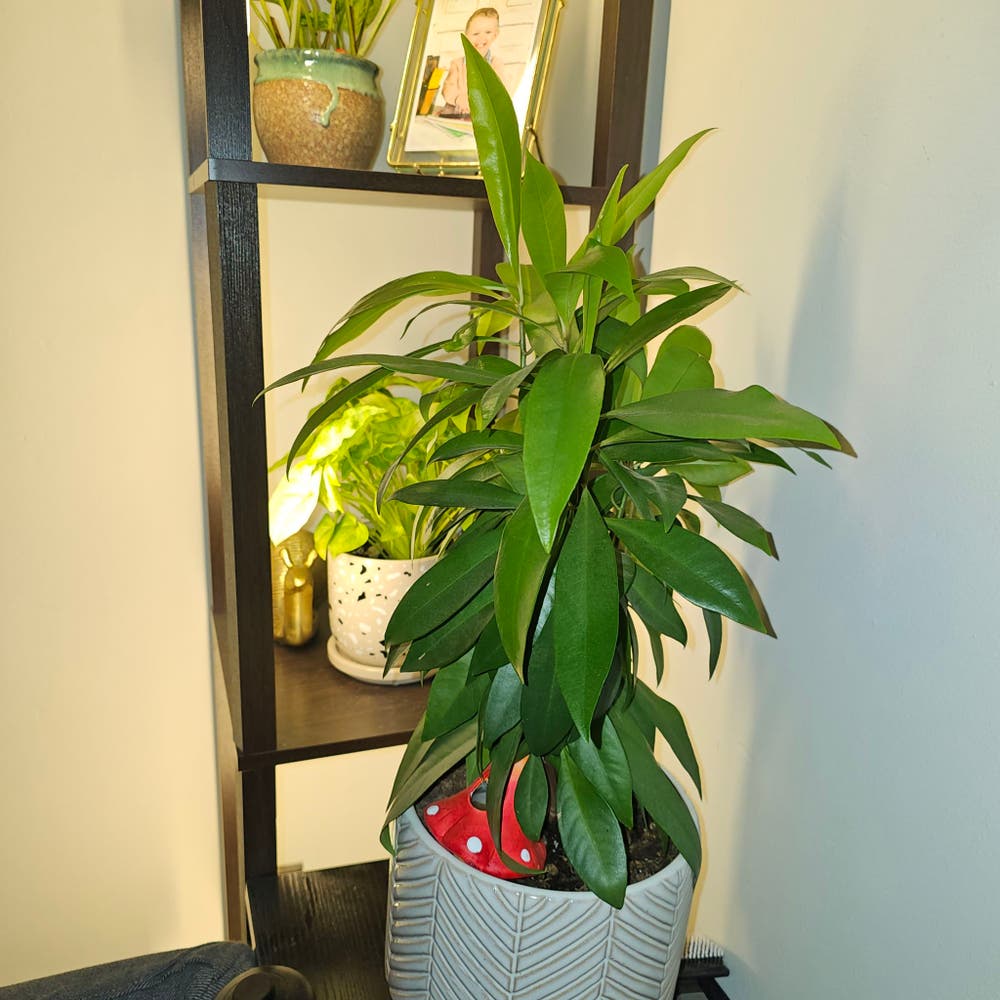
Ultimate Guide to Humidity for Ardisia 💧
Ardisia awarum
By the Greg Editorial Team
Nov 26, 2024•5 min read
This article was created with the help of AI so we can cover more plants for you. May contain errors. See one? Report it here.
Unlock lush Ardisia growth 🌱 by mastering humidity levels for vibrant, thriving plants all year round!
- 🌴 Ardisia thrives at 60-80% humidity, mimicking its tropical habitat for optimal growth.
- ❄️ Adjust humidity care in winter to combat dry indoor air and prevent leaf drop.
- 💧 Monitor local humidity levels regularly to tailor care and enhance Ardisia health.
Ideal Humidity Levels for Optimal Growth
Best humidity levels 🌧️
For Ardisia to thrive, it needs a cozy humidity range of 60-80% relative humidity. This level mimics its natural tropical habitat, ensuring vibrant growth and lush foliage.
Seasonal adjustments 🍂
As seasons change, so do humidity needs. In winter, indoor air can become dry, necessitating adjustments to maintain that sweet spot for your plants.
Specific humidity preferences for common varieties 🌱
Different Ardisia varieties may have unique humidity preferences. For instance, Ardisia crenata enjoys slightly higher humidity, while Ardisia japonica can tolerate a bit less, making it essential to know your plant's specific needs for optimal care.
Understanding these humidity levels and preferences is crucial for keeping your Ardisia healthy and flourishing. With the right conditions, your plants will reward you with their stunning beauty and resilience.
Next, let’s explore the effects of low and high humidity on your Ardisia plants.
Effects of Low and High Humidity
💧 Low Humidity Effects
Low humidity can wreak havoc on your Ardisia. Symptoms like leaf drop, browning leaf tips, and stunted growth are common indicators that your plant is struggling.
Over time, these conditions can lead to increased susceptibility to pests and diseases. A plant that’s already stressed from low humidity is an easy target for unwanted invaders.
🌫️ High Humidity Effects
On the flip side, high humidity can also pose problems for your Ardisia. You may notice symptoms such as potential fungal diseases and mold growth, which can quickly become a serious issue.
To combat these risks, maintaining good air circulation is crucial. Stagnant air can exacerbate humidity-related problems, so ensure your plants have enough airflow around them.
Local Humidity Considerations
Assessing Local Humidity Levels 🌧️
Understanding your local humidity levels is crucial for the health of your Ardisia. You can easily determine humidity using weather apps or local climate data, which provide real-time information on the moisture content in the air.
Once you know the humidity levels, adjust your care practices accordingly. For instance, if the humidity is low, you may need to implement strategies to boost it, ensuring your plants thrive.
Seasonal Variations 🌸
Humidity levels fluctuate with the seasons, impacting your Ardisia's growth. In winter, indoor heating can dry out the air, while summer may bring higher humidity levels.
To adapt your care during these seasonal changes, monitor humidity regularly. Implementing strategies like using humidifiers in winter or increasing ventilation in summer can help maintain optimal conditions for your plants.
By staying aware of local humidity and seasonal variations, you can create a nurturing environment for your Ardisia, setting the stage for healthy growth and vibrant foliage.
Strategies for Boosting Humidity
🌬️ Using Humidifiers
To create the perfect environment for your Ardisia, consider using a humidifier. The best types for indoor plants include ultrasonic and evaporative humidifiers, as they efficiently add moisture to the air without over-saturating it.
Aim to set your humidifier to maintain humidity levels between 60-80%. This range is ideal for promoting healthy growth and preventing stress on your plants.
🌱 Grouping Plants
Another effective strategy is to group your plants together. This creates a microenvironment where humidity levels can rise, benefiting all the plants in the vicinity.
When grouping, consider plant compatibility. Ensure that the plants have similar humidity and light requirements to foster a thriving community.
🪨 Pebble Trays and Water Features
Creating a pebble tray is a simple yet effective way to boost humidity around your Ardisia. To make one, gather a shallow tray, pebbles, and water. Place the pebbles in the tray, add water until it just touches the pebbles, and set your plant on top.
For maintenance, regularly check the water level and refill as needed to prevent stagnation. This will keep your plants happy and healthy while enhancing the humidity in their environment.
By implementing these strategies, you can create an optimal humidity level for your Ardisia, ensuring they thrive in your home. Next, let’s explore how to assess local humidity levels and adapt your care practices accordingly.
Strategies for Reducing Humidity
🌬️ Ventilation and Air Circulation
Proper ventilation is crucial for preventing excessive humidity around your Ardisia plants. Stagnant air can lead to a host of problems, including mold growth and fungal diseases.
To improve air circulation, consider placing your plants in areas with good airflow. You can also use fans to help circulate air, ensuring that moisture doesn't settle around your plants.
🚫 Avoiding Overwatering
Overwatering is a common mistake that can lead to serious issues for your Ardisia. Signs of overwatering include yellowing leaves and root rot, which can be detrimental to plant health.
To maintain appropriate moisture levels, water your Ardisia only when the top inch of soil feels dry. This practice helps ensure that your plants thrive without the risk of excess humidity.
By implementing these strategies, you can create a healthier environment for your Ardisia, promoting robust growth and resilience against pests and diseases. Next, let’s explore effective ways to boost humidity when needed.
⚠️ Safety First
This content is for general information and may contain errors, omissions, or outdated details. It is not medical, veterinary advice, or an endorsement of therapeutic claims.
Always consult a qualified healthcare professional before using any plant as food, medicine, or supplement.
Never eat any plant (or feed one to pets) without confirming its identity with at least two trusted sources.
If you suspect poisoning, call Poison Control (800) 222-1222, the Pet Poison Helpline (800) 213-6680, or your local emergency service immediately.
Spotted an error? Please report it here.
Keep your Ardisia happy and thriving 🌿 by using Greg's tailored humidity tips and reminders to create the perfect environment for your plant!