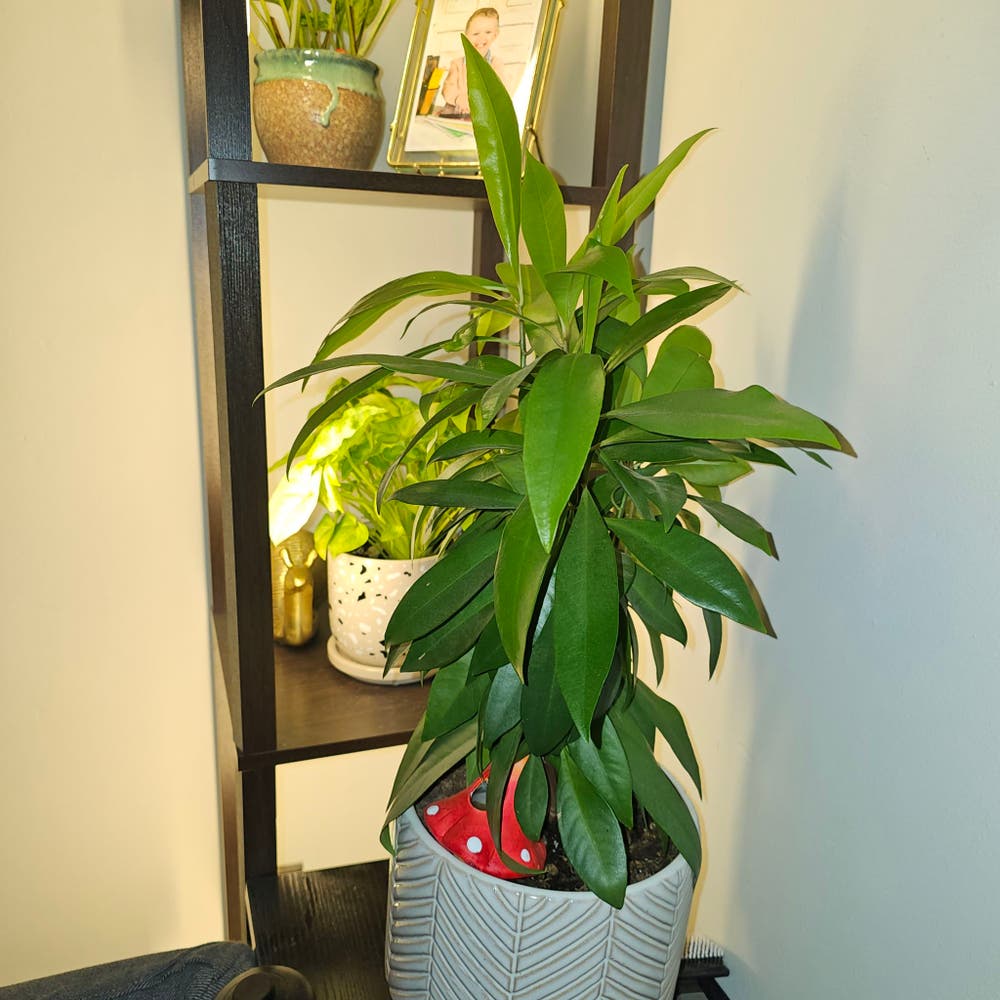
Best Tips for Repotting Ardisia 🪴
Ardisia awarum
By the Greg Editorial Team
Nov 26, 2024•6 min read
This article was created with the help of AI so we can cover more plants for you. May contain errors. See one? Report it here.
Revitalize your Ardisia by mastering the signs it needs repotting and selecting the perfect pot! 🌱
- 🌱 Look for root-bound signs like roots out of drainage holes to repot.
- 🏺 Choose the right pot: terracotta offers excellent drainage for Ardisia.
- 🌿 Healthy soil mix: combine potting soil, perlite, and peat for optimal growth.
Signs That Ardisia Needs Repotting
🌱 Root Bound Indicators
Recognizing when your Ardisia needs repotting is crucial for its health. One of the first signs is roots growing out of the drainage holes, indicating that the plant has outgrown its current pot.
Another indicator is roots circling the pot's interior. This behavior suggests that the roots are cramped and struggling for space, which can lead to stunted growth or reduced leaf size.
🪴 Soil Condition Signs
The condition of the soil can also signal the need for repotting. If you notice that the soil dries out too quickly, it may be compacted or lacking in nutrients.
Additionally, poor drainage can lead to issues like mold or pests in the soil. These problems can severely affect your plant's health and warrant a change in potting.
🌿 Plant Health Indicators
Keep an eye on your Ardisia's overall health. Yellowing leaves or leaf drop are clear signs that something is amiss, often pointing to root issues or nutrient deficiencies.
Reduced flowering or berry production can also indicate stress. If your plant shows an overall decline in vigor, it’s time to consider repotting to rejuvenate its growth.
By being attentive to these signs, you can ensure your Ardisia remains vibrant and healthy. Next, let’s explore the step-by-step guide to repotting your Ardisia effectively.
Handling Ardisia Roots During Repotting
🧐 Root Inspection
When repotting your Ardisia, start with a thorough root inspection. Look for healthy, white roots, which indicate vitality, and brown, mushy roots that signal decay.
✂️ Trimming Techniques
Use sterilized scissors to trim away any damaged roots. Be careful not to over-trim, as maintaining a healthy root system is crucial for your plant's recovery.
🌱 Encouraging New Growth
To encourage new growth, consider applying a root hormone to the cut roots. Additionally, ensure that the new potting soil is rich in organic matter, providing the nutrients your Ardisia needs to thrive.
With these steps, your Ardisia will be well on its way to a healthy recovery. Next, let's explore the best pot materials to support your plant's growth.
Pot Material Options for Ardisia
Choosing the right pot material for your Ardisia is crucial for its health and growth. Each material has its own set of advantages and disadvantages that can impact your plant's well-being.
🥇 Pros and Cons of Each Pot Material
Ceramic
Ceramic pots are visually appealing and provide good insulation for roots. However, they can be heavy and may retain moisture, which could lead to root rot if not monitored.
Plastic
Plastic pots are lightweight and affordable, making them a popular choice. They offer good drainage options but are less breathable and can heat up quickly in direct sunlight.
Terracotta
Terracotta pots excel in drainage and are breathable, which is essential for healthy root systems. On the downside, they can dry out quickly and are more fragile than other materials.
Metal
Metal pots bring a modern aesthetic and are durable. Yet, they can overheat in the sun and may rust over time, which could harm your plant.
🌱 Recommended Pot Materials for Optimal Growth
For optimal growth, terracotta is often the best choice due to its excellent drainage properties. If aesthetics are a priority, ceramic pots are a great option, but be cautious of moisture retention.
Avoid non-breathable materials that trap too much moisture, as they can lead to root issues. Selecting the right pot material will set your Ardisia up for success, ensuring it thrives in its new home.
With the right pot in hand, you're ready to move on to the next steps in repotting your Ardisia!
Pot Size and Drainage for Ardisia
🌱 How to Choose the Right Pot Size for Ardisia
Choosing the right pot size for your Ardisia is crucial for its growth. A general rule is to select a pot that is 1-2 inches larger in diameter than the current one.
Depth matters too; Ardisia prefers shallow pots due to its unique root system. This helps prevent the roots from becoming waterlogged, ensuring a healthier plant.
🕳️ Importance of Drainage Holes for Ardisia
Drainage holes are essential for preventing root rot in Ardisia. Always ensure that your new pot has at least one drainage hole at the bottom.
Without proper drainage, excess water can accumulate, leading to soggy soil and unhealthy roots. This simple step can save your plant from potential disaster.
💧 Tips for Improving Drainage in Pots
To enhance drainage, consider using a layer of gravel or perlite at the bottom of the pot. This creates a barrier that allows excess water to escape easily.
Additionally, mixing sand or perlite with your potting soil can improve aeration. This combination promotes healthy root development and keeps your Ardisia thriving.
With the right pot size and drainage, your Ardisia will have the best chance to flourish. Next, let’s explore the best potting soil mixes that will nourish your plant effectively.
Potting Soil for Ardisia
Best Soil Mixes for Repotting Ardisia 🌱
When repotting Ardisia, the right soil mix is crucial for its health. A recommended blend consists of 50% potting soil, 25% perlite, and 25% peat moss, providing a balanced environment for growth.
Organic-rich soil is essential for nutrient retention. This mix not only supports the plant's needs but also enhances its overall vigor.
Importance of Soil Drainage and Aeration 💧
Proper soil drainage and aeration are vital for preventing waterlogging and root rot. Without adequate drainage, Ardisia roots can suffocate, leading to decline.
Healthy root development thrives in well-aerated soil. This encourages robust growth and helps your plant flourish.
How to Create a Custom Potting Mix for Ardisia 🛠️
Creating a custom potting mix for your Ardisia is straightforward. Follow these steps for the best results:
- Combine equal parts of potting soil, perlite, and peat moss.
- Add a slow-release fertilizer to provide essential nutrients.
- Mix thoroughly to ensure even distribution.
This tailored mix will set your Ardisia up for success, promoting healthy growth and vibrant foliage. With the right potting soil, your plant will thrive and bring beauty to your space.
As you prepare to repot, consider the pot material options next. The right pot can make a significant difference in your Ardisia's growth journey.
⚠️ Safety First
This content is for general information and may contain errors, omissions, or outdated details. It is not medical, veterinary advice, or an endorsement of therapeutic claims.
Always consult a qualified healthcare professional before using any plant as food, medicine, or supplement.
Never eat any plant (or feed one to pets) without confirming its identity with at least two trusted sources.
If you suspect poisoning, call Poison Control (800) 222-1222, the Pet Poison Helpline (800) 213-6680, or your local emergency service immediately.
Spotted an error? Please report it here.
Repotting your Ardisia is a great way to boost its health and growth, and with Greg's tailored reminders and expert tips, you'll be ready to thrive in your plant care journey! 🌿