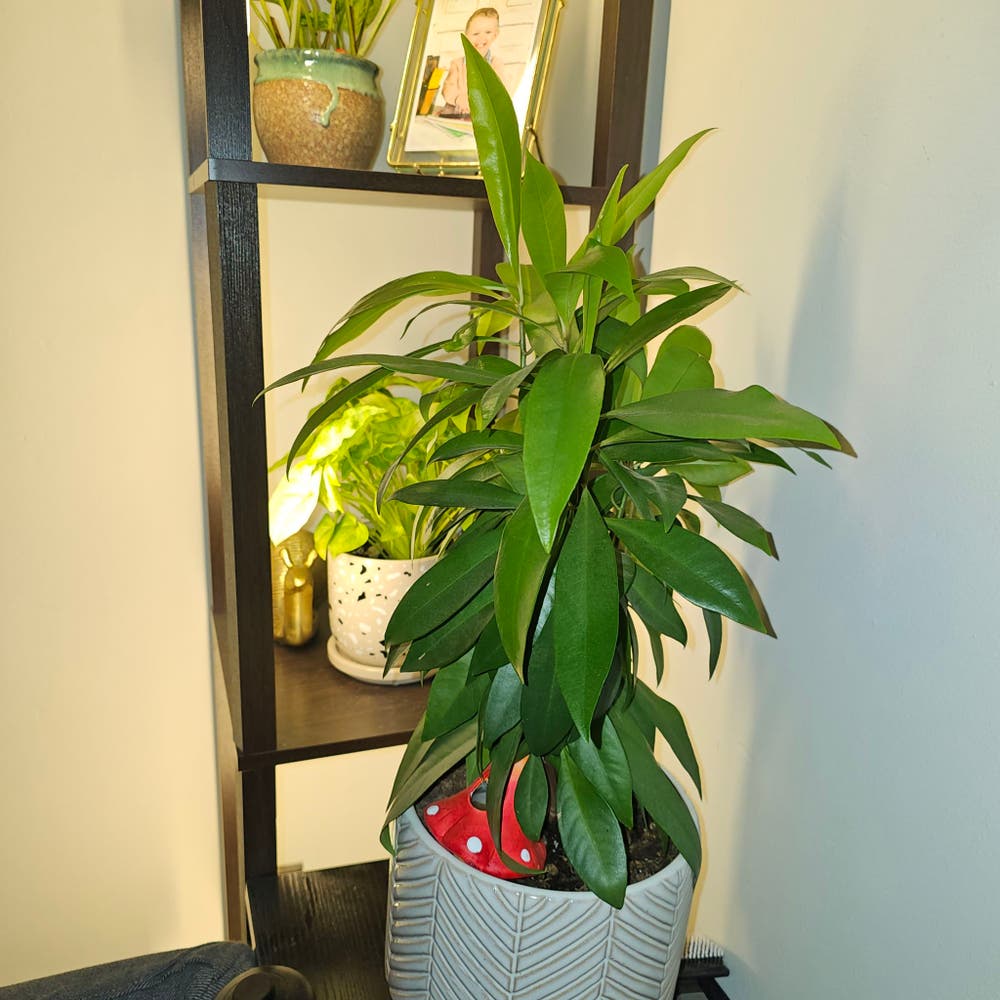
🌳 Key Milestones in Ardisia Growth
Ardisia awarum
By the Greg Editorial Team
Nov 26, 2024•5 min read
This article was created with the help of AI so we can cover more plants for you. May contain errors. See one? Report it here.
Master the growth stages of Ardisia 🌱 to cultivate vibrant plants that thrive for years to come! 🌼
- 🌱 Ardisia seeds germinate in 2 to 4 weeks with proper temperature and moisture.
- 🌞 Optimal growth requires bright, indirect light and well-draining, nutrient-rich soil.
- 🍓 Mature Ardisia produces bright berries for seed dispersal, attracting birds and pollinators.
Germination Stage
🌱 Duration of Germination
The germination period for Ardisia seeds typically spans 2 to 4 weeks. This timeframe can vary based on several factors, including temperature, moisture levels, and the viability of the seeds.
🌞 Conditions for Successful Germination
To ensure successful germination, specific conditions must be met:
Optimal Temperature
Aim for a temperature range of 20°C to 25°C (68°F to 77°F). This warmth encourages the seeds to sprout effectively.
🌍 Soil Requirements
Use well-draining soil that is rich in organic matter. This type of soil provides the necessary nutrients and prevents waterlogging.
💧 Moisture Levels
Maintain consistent moisture without over-saturating the soil. Too much water can drown the seeds, while too little can hinder their growth.
💡 Light Exposure
Light requirements can vary among species. Some Ardisia seeds need light to germinate, while others thrive in darkness. Understanding the specific needs of your seeds is crucial for successful germination.
With the right conditions in place, you can look forward to the exciting journey of your Ardisia plants as they transition from seeds to seedlings. Next, we will explore the Seedling Stage, where the young plants begin to establish themselves.
Seedling Stage
Duration of Seedling Growth 🌱
The seedling stage lasts about 4 to 8 weeks after germination. This period is crucial as the young plants establish themselves.
Characteristics of Seedlings 🌿
Seedlings begin with small, simple leaves that often look quite different from the mature foliage. During this time, the plant focuses on upright growth, prioritizing a robust root system.
Importance of Light 💡
Bright, indirect light is essential for seedlings to thrive. This light exposure helps them grow strong and healthy, setting the foundation for future development.
As the seedlings mature, they will transition into the vegetative growth stage, where their growth will become even more pronounced. Understanding this phase is vital for nurturing healthy Ardisia plants.
Vegetative Growth Stage
🌱 Duration of Vegetative Growth
The vegetative growth stage of Ardisia can last anywhere from 6 months to several years. This variation largely depends on the specific species and the environmental conditions they are exposed to.
🍃 Changes in Leaf Structure and Size
As Ardisia plants grow, they undergo significant changes in their leaf structure. Initially, juvenile leaves are simple and small, but as the plant matures, these leaves transition into larger, more complex forms.
🎨 Color Changes
The color of the leaves also evolves during this stage. Mature leaves tend to become darker and glossier, adding to the plant's overall aesthetic appeal.
🌳 Growth Habit
During the vegetative phase, Ardisia develops a branching structure. This growth habit leads to a bushier appearance, making the plant more visually striking as it matures.
Understanding the vegetative growth stage is crucial for anyone looking to cultivate Ardisia successfully. By providing the right conditions, you can ensure your plants thrive and reach their full potential.
Next, we will explore the flowering stage, where the beauty of Ardisia truly comes to life.
Flowering Stage
Duration of Flowering 🌸
The flowering period for Ardisia typically occurs in late spring to summer. This vibrant phase lasts several weeks, showcasing the plant's beauty and vitality.
Description of Flowers and Pollination 🌼
Ardisia flowers are small and fragrant, often appearing in clusters of white or pink blooms. These delicate inflorescences not only add charm but also play a crucial role in attracting pollinators.
Pollination Methods
Primarily, Ardisia relies on insect pollination, with bees being the main visitors. This relationship is vital, as it ensures the transfer of pollen necessary for successful reproduction.
Importance of Flowering
Flowering is essential for the reproductive cycle of Ardisia, leading to seed production. Without this stage, the continuation of the species would be at risk, highlighting the interconnectedness of plant life.
As we explore the next stage, seed production, we’ll uncover how these beautiful flowers contribute to the future of Ardisia.
Seed Production Stage
Duration of Seed Production 🌱
The seed production period for Ardisia typically spans 4 to 6 weeks following the flowering stage. This timeframe is crucial as it marks the transition from beautiful blooms to the formation of seeds that will ensure the plant's future.
Overview of Seed Dispersal Methods 🍇
Ardisia plants produce striking berries, often bright red or black, that encase their seeds. These berries are not just visually appealing; they play a vital role in the plant's reproductive cycle.
Birds and other animals are key players in the dispersal process. As they consume the berries, they inadvertently help spread the seeds across various locations, promoting genetic diversity and the continuation of the species.
Seed production is essential for the survival of Ardisia. It not only ensures that new plants can grow but also contributes to the overall health of the ecosystem by maintaining genetic variation.
As we explore the next stage of Ardisia's life cycle, we'll delve into how long it takes for these plants to reach full maturity and the factors that influence their growth.
Growth Rate and Lifespan
🌱 How Long Until Ardisia is Fully Grown?
Ardisia plants typically reach full maturity within 2 to 5 years. This timeframe can vary based on the specific species and the environmental conditions they are exposed to.
⏳ Factors Affecting Growth Rate
Several factors influence the growth rate of Ardisia. Key environmental elements include light, water, soil quality, and temperature, all of which play a crucial role in how quickly these plants thrive.
Additionally, species-specific traits can impact growth habits. Some Ardisia varieties may grow faster or slower than others, depending on their unique characteristics.
📅 Overall Lifespan of Ardisia Plants
The lifespan of Ardisia plants generally ranges from 10 to 20 years. Under optimal conditions, some species may even live longer, showcasing their resilience and adaptability.
Care and environmental factors significantly affect the longevity and health of these plants. Proper attention to their needs can lead to a flourishing, long-lived Ardisia that enhances your garden for years to come.
As we explore the next stages of Ardisia growth, understanding these foundational aspects will help you nurture these plants effectively.
⚠️ Safety First
This content is for general information and may contain errors, omissions, or outdated details. It is not medical, veterinary advice, or an endorsement of therapeutic claims.
Always consult a qualified healthcare professional before using any plant as food, medicine, or supplement.
Never eat any plant (or feed one to pets) without confirming its identity with at least two trusted sources.
If you suspect poisoning, call Poison Control (800) 222-1222, the Pet Poison Helpline (800) 213-6680, or your local emergency service immediately.
Spotted an error? Please report it here.
Master the milestones of Ardisia growth 🌿 with Greg's tailored care reminders and expert tips, ensuring your plants flourish beautifully from seed to maturity!