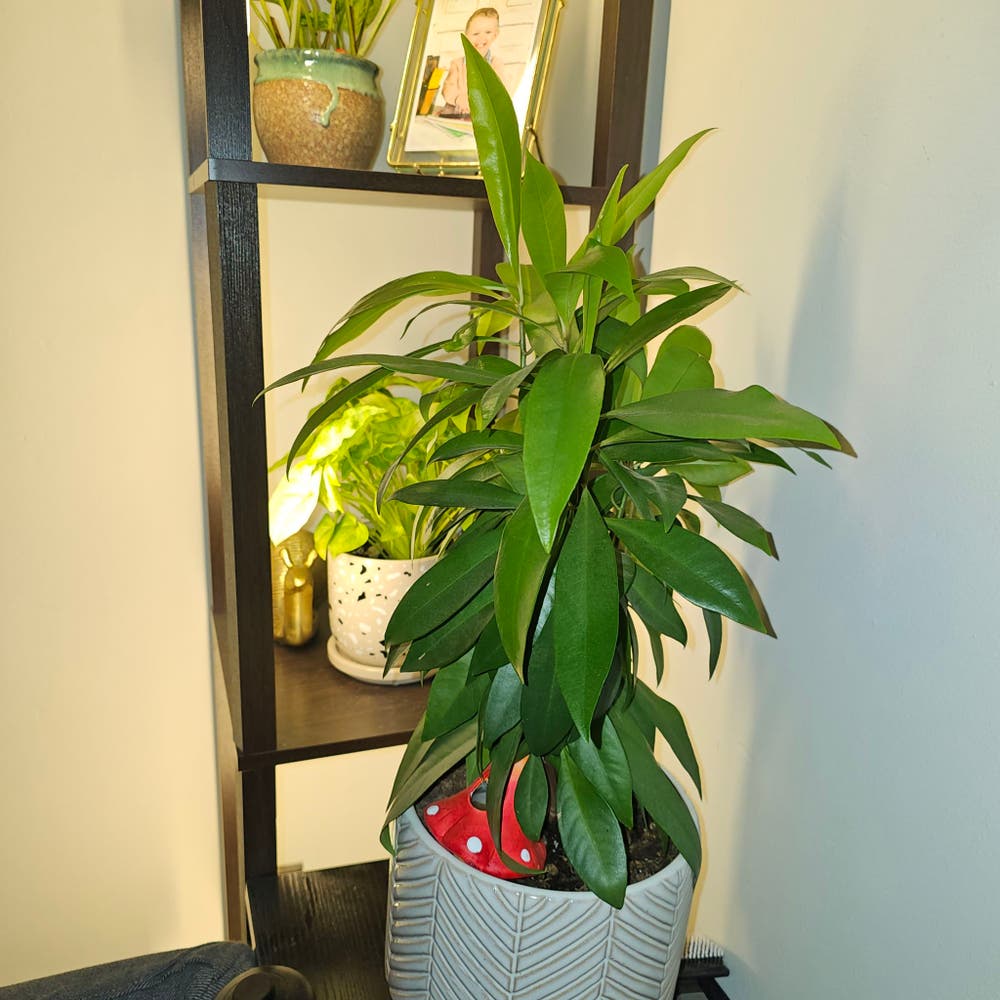
Why the Leaves on Your Ardisia Are Turning Yellow 🍂
Ardisia awarum
By the Greg Editorial Team
Nov 26, 2024•7 min read
This article was created with the help of AI so we can cover more plants for you. May contain errors. See one? Report it here.
Revive your Ardisia's vibrancy by uncovering the secrets to preventing yellowing leaves! 🌿
- 🌱 Yellow leaves on Ardisia indicate overwatering, under-watering, or nutrient deficiencies.
- 💧 Maintain consistent watering and check soil moisture to prevent yellowing leaves.
- 🐛 Inspect for pests like spider mites; early detection is key for healthy plants.
Causes of Yellowing Leaves
💧 Overwatering and Its Effects
Overwatering is a common issue that leads to yellowing leaves, wilting, and even root rot. To prevent this, ensure your Ardisia is planted in well-draining soil, which helps avoid water accumulation.
Signs of root rot include mushy roots, a foul odor, and an overall decline in plant health. If you notice these symptoms, it's crucial to act quickly to save your plant.
🚰 Under-watering and Its Symptoms
On the flip side, under-watering can also cause yellowing leaves, leaf drop, and dry soil. To identify under-watering, check the soil moisture levels and observe the texture of the leaves.
Maintaining consistent watering practices is essential to keep the soil adequately moist. This balance is key to a thriving Ardisia.
🥦 Nutrient Deficiencies
Nitrogen Deficiency
A nitrogen deficiency often manifests as yellowing of older leaves first, accompanied by stunted growth. Nitrogen is vital for overall plant health and vigor, so addressing this deficiency is crucial.
Iron Deficiency
Iron deficiency presents itself as yellowing between leaf veins while the veins remain green, a condition known as interveinal chlorosis. You can address this issue by using specific fertilizers designed to boost iron levels.
🐛 Pest Infestations
Common Pests Affecting Ardisia
Pests can wreak havoc on your Ardisia, with spider mites being a notable culprit. Look for signs like webbing and stippled leaves.
Aphids are another common pest, often leaving a sticky residue and causing leaves to curl. Early detection and treatment are vital to prevent further damage to your plant.
🌡️ Environmental Stress
Temperature
Ardisia thrives in a temperature range of 65°F to 80°F (18°C to 27°C). Extreme temperatures can negatively impact leaf health, leading to yellowing.
Humidity
High humidity levels are essential for Ardisia. Symptoms of low humidity include leaf curling and yellowing, indicating your plant may need a more humid environment.
Light Requirements
For optimal growth, Ardisia prefers bright, indirect sunlight. Too much or too little light can affect leaf color, so finding the right balance is crucial for your plant's health.
Understanding these causes of yellowing leaves can help you take proactive measures to keep your Ardisia healthy. Next, we’ll explore how to diagnose yellow leaves effectively.
Diagnosing Yellow Leaves
🌼 Identifying the Type of Yellowing
Understanding the type of yellowing your Ardisia is experiencing is crucial for effective diagnosis.
Whole Leaf Yellowing
Whole leaf yellowing often indicates overwatering or a nutrient deficiency. If the entire leaf is turning yellow, it’s time to evaluate your watering habits and soil nutrients.
Tip Yellowing
Tip yellowing typically signals under-watering or nutrient burn. If only the tips of the leaves are yellowing, check your watering schedule and the amount of fertilizer used.
💧 Assessing Soil Moisture Levels
Maintaining proper soil moisture is vital for your plant's health.
- Techniques for Checking Soil Moisture: Use the finger test by inserting your finger into the soil up to the second knuckle. Alternatively, a moisture meter can provide a more accurate reading.
- Importance of Consistent Moisture Levels: Keeping the soil consistently moist, but not soggy, helps prevent stress on the plant.
🐛 Checking for Pests and Diseases
Pests and diseases can significantly impact your Ardisia’s health.
- Visual Inspection: Regularly inspect the leaves and stems for signs of pests. Look for webbing, sticky residue, or any unusual growths.
- Signs of Disease: Watch for spots, mold, or other abnormalities that could indicate disease. Early detection is key to preventing further damage.
☀️ Evaluating Light Exposure and Conditions
Light exposure plays a critical role in the overall health of your Ardisia.
- Assessing Location: Ensure your plant is receiving adequate light by evaluating its placement. Bright, indirect sunlight is ideal for Ardisia.
- Adjusting Placement: Be prepared to move your plant based on seasonal light changes. This adjustment can help maintain vibrant leaf color and overall health.
By diagnosing the yellowing leaves effectively, you can take the necessary steps to restore your Ardisia to its lush, green glory. Next, let’s explore practical solutions for addressing yellow leaves.
Solutions for Yellow Leaves
🌊 Adjusting Watering Practices
Proper watering is crucial for the health of your Ardisia. Aim to water your plant when the top inch of soil feels dry, ensuring you provide enough moisture without overdoing it.
Allowing the soil to dry out slightly helps prevent root rot and keeps your plant thriving. Remember, consistency is key; establish a routine that suits your plant's needs.
🌱 Fertilization Tips
Fertilizing your Ardisia can significantly improve its health and vibrancy. Use a balanced NPK fertilizer or specific nutrient blends tailored to your plant's requirements.
A good rule of thumb is to fertilize every 4-6 weeks during the growing season. This schedule supports robust growth and helps combat yellowing leaves.
🐛 Pest Control Methods
Pest infestations can wreak havoc on your Ardisia, leading to yellowing leaves. Consider using organic pest control options like neem oil or insecticidal soap to keep pests at bay.
Regular monitoring is essential for early detection and intervention. Catching pests early can save your plant from further damage.
🌤️ Improving Environmental Conditions
Environmental factors play a significant role in your plant's health. Start by adjusting light exposure; if your Ardisia isn't thriving, consider moving it to a brighter location.
Increasing humidity can also make a big difference. Use a humidifier or place pebble trays filled with water near your plant to create a more favorable environment.
By implementing these solutions, you can help restore your Ardisia's health and prevent yellow leaves in the future. Next, let's explore how to prevent yellow leaves through best practices and seasonal adjustments.
Preventing Yellow Leaves
🌊 Best Practices for Watering
Establishing a consistent watering routine is crucial for keeping your Ardisia healthy. Tailor your watering schedule to the plant's specific needs, ensuring the top inch of soil dries out between waterings to prevent waterlogging.
🗓️ Regular Fertilization Schedule
Setting reminders for fertilization can help you stay on track. Using tools like the Greg plant care app ensures your Ardisia receives the nutrients it needs, while seasonal adjustments to fertilization keep it thriving throughout the year.
🐛 Monitoring for Pests
Regular inspections are key to catching pest infestations early. By maintaining plant health and vigilance, you can prevent pests from becoming a significant issue.
🌞 Optimal Placement for Light and Temperature
Choosing the right location for your Ardisia is essential for optimal light exposure. Be mindful of seasonal temperature changes, adjusting the plant's placement as needed to protect it from extreme conditions.
By implementing these preventive measures, you can significantly reduce the chances of yellowing leaves and ensure your Ardisia remains vibrant and healthy. Next, let’s explore seasonal considerations to further enhance your plant care routine.
Seasonal Considerations
🌧️ Seasonal Watering Adjustments
Adjusting your watering frequency is essential as the seasons change. In warmer months, your Ardisia may require more frequent watering, while cooler months often mean less.
Monitoring soil moisture is crucial during these transitions. Stick your finger into the soil to check for dryness, ensuring your plant gets just the right amount of water.
🌱 Fertilization Changes with Seasons
Fertilization practices should align with your plant's growth cycles. During the active growing season, a balanced approach is key, but as winter approaches, it's wise to reduce fertilization.
This reduction helps prevent nutrient buildup when the plant is dormant. Remember, less is often more during these quieter months.
☀️ Light Exposure Variations Throughout the Year
Repositioning your Ardisia based on seasonal light availability can make a significant difference. As the sun's angle changes, your plant may need to be moved to ensure it receives adequate bright, indirect sunlight.
Adapting your care practices to these changing light conditions is vital for maintaining vibrant foliage. Keep an eye on how your plant responds and adjust accordingly for optimal health.
⚠️ Safety First
This content is for general information and may contain errors, omissions, or outdated details. It is not medical, veterinary advice, or an endorsement of therapeutic claims.
Always consult a qualified healthcare professional before using any plant as food, medicine, or supplement.
Never eat any plant (or feed one to pets) without confirming its identity with at least two trusted sources.
If you suspect poisoning, call Poison Control (800) 222-1222, the Pet Poison Helpline (800) 213-6680, or your local emergency service immediately.
Spotted an error? Please report it here.
Keep your Ardisia vibrant and healthy 🌿 by using Greg's tailored care reminders to tackle yellowing leaves and ensure optimal growth!