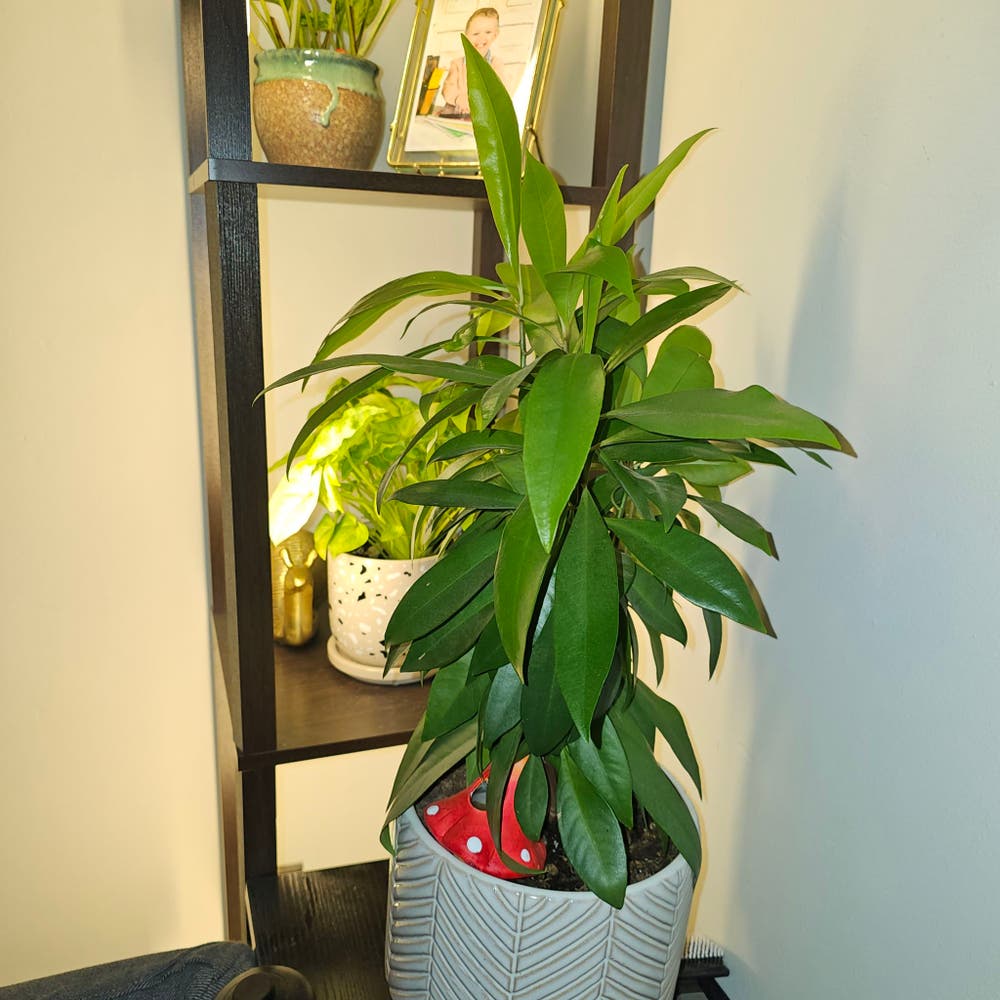
💧 Ultimate Guide to Watering Your Ardisia
Ardisia awarum
By the Greg Editorial Team
Nov 26, 2024•6 min read
This article was created with the help of AI so we can cover more plants for you. May contain errors. See one? Report it here.
Unlock your Ardisia's full potential 🌱 with expert watering tips that keep it thriving and vibrant in your home! 💧
- 💧 Water your Ardisia every 1-2 weeks, adjusting for temperature and humidity.
- 🌞 Bright light increases evaporation, requiring more frequent watering adjustments.
- 🌱 Yellow leaves indicate over-watering; check soil moisture to prevent root rot.
Recommended Watering Schedule
🌊 General Guidelines
Watering your Ardisia is crucial for its health. Aim to water every 1-2 weeks, but be ready to adjust based on your plant's environment.
In warmer months, your Ardisia will likely need more frequent watering. Conversely, during cooler months, you can cut back on the frequency.
📊 Factors Affecting Watering Frequency
Light conditions play a significant role in how often you should water. If your Ardisia is in bright, indirect light, evaporation increases, so you may need to water more often.
Temperature is another key factor. Higher temperatures can lead to quicker moisture loss, necessitating more frequent watering.
Humidity levels also affect watering needs. In areas with higher humidity, your plant may require less water, so keep an eye on local conditions to ensure your Ardisia thrives.
Understanding these factors will help you create a tailored watering schedule that keeps your plant healthy and happy.
Recognizing and Remedying Over-Watering
🟡 Symptoms of Over-Watering
Over-watering can be a sneaky problem for your Ardisia. One of the first signs is yellowing leaves, which indicate that your plant is stressed from excess moisture.
Another red flag is wilting leaves despite wet soil. This can mean that the roots are suffocating due to a lack of oxygen. Lastly, if you notice a foul smell from the soil or find mushy roots upon inspection, your plant may be suffering from root rot.
💧 How to Remedy Over-Watering
If you suspect over-watering, start by assessing soil moisture. You can use a moisture meter for accuracy or simply check manually.
Next, adjust your watering schedule. Reduce the frequency and allow the soil to dry out between waterings. Finally, consider improving drainage. This could involve repotting your Ardisia in well-draining soil or adding drainage holes to the pot if it doesn’t have any.
By recognizing these symptoms and taking action, you can help your Ardisia thrive. Now, let’s explore how to identify and remedy under-watering, ensuring your plant gets just the right amount of moisture.
Recognizing and Remedying Under-Watering
Symptoms of Under-Watering 🌵
Under-watering can be a sneaky issue for your Ardisia. Look out for drooping leaves, which indicate that your plant is stressed from lack of moisture.
Crispy leaf edges are another telltale sign, showing that your plant has been dry for too long. Additionally, if you notice the soil pulling away from the edges of the pot, it’s a clear indication of dehydration.
How to Remedy Under-Watering 💧
To remedy under-watering, start by watering your plant thoroughly. Make sure the water reaches the root zone, allowing your Ardisia to soak up the moisture it desperately needs.
Next, establish a consistent watering schedule. Consider using the Greg plant care app for reminders tailored to your plant's needs.
Finally, keep an eye on environmental conditions. Adjust your watering based on temperature and humidity to ensure your Ardisia thrives year-round.
With these steps, you’ll keep your plant happy and healthy, ready to transition into the next section on effective watering techniques.
Watering Techniques
🌊 Bottom-Watering Method
Bottom-watering is a fantastic technique that allows your Ardisia's roots to absorb moisture gradually from below. This method encourages healthy root development and helps prevent over-saturation at the top of the soil.
Steps for Bottom-Watering:
- Fill a tray with water. Choose a tray that can hold enough water to submerge the bottom of your pot.
- Place the pot in the tray and allow it to soak for 30 minutes. This gives the roots ample time to drink in the moisture they need.
- Remove the pot and let excess water drain. This step is crucial to avoid waterlogging, which can lead to root rot.
💧 Self-Watering Pots and Their Benefits
Self-watering pots are a game-changer for plant care. These pots come equipped with a reservoir that provides consistent moisture, making them ideal for busy plant owners.
Benefits of Self-Watering Pots:
- Reduces risk of over-watering. The reservoir helps regulate moisture levels, preventing soggy soil.
- Maintains moisture levels for longer periods. This is especially beneficial during hot weather or when you’re away from home.
- Ideal for busy plant owners or those with inconsistent watering habits. With a self-watering pot, you can enjoy peace of mind knowing your plant is taken care of.
Incorporating these watering techniques into your plant care routine can significantly enhance the health of your Ardisia. As you explore these methods, remember to observe how your plant responds and adjust your approach accordingly. Next, we’ll delve into measuring soil moisture to ensure your watering practices are spot on.
Measuring Soil Moisture
🔧 Tools for Measuring Soil Moisture
To ensure your Ardisia thrives, measuring soil moisture accurately is essential. A moisture meter is a handy tool that provides precise readings of soil moisture levels, helping you avoid the pitfalls of over or under-watering.
Another useful tool is a soil probe, which allows for manual checking of moisture at different depths. This can give you a better understanding of how dry or wet the soil is throughout the pot.
👆 How to Check Moisture Levels Manually
Checking moisture levels manually is straightforward and effective. Start by inserting a finger or stick into the soil up to 2 inches deep.
If the soil feels dry, it’s time to water; if it’s damp, wait a few days before checking again.
Additionally, keep an eye on your plant's leaves. Signs of wilting or drooping can indicate that your Ardisia needs more water, serving as a helpful visual cue.
By mastering these moisture-checking techniques, you'll be well on your way to providing the perfect care for your Ardisia. Next, let’s explore effective watering techniques to ensure your plant receives the right amount of hydration.
Watering Reminders and Scheduling
📱 Using the Greg Plant Care App for Reminders
The Greg Plant Care app is a game-changer for plant lovers. It allows you to set customizable reminders tailored to your Ardisia's specific watering needs.
To get started, simply input your plant's watering frequency. The app will then send you notifications, ensuring you never forget to hydrate your green companion.
📅 Setting Up a Watering Schedule Based on Plant Needs
Creating a personalized watering schedule is essential for your Ardisia's health. Adjust your schedule based on seasonal changes and the plant's growth patterns.
Regularly review and tweak your plan as needed. By monitoring your plant's health and the surrounding environmental conditions, you can optimize care and keep your Ardisia thriving.
With the right reminders and a flexible schedule, you'll cultivate a flourishing relationship with your plant. Now, let's explore effective watering techniques to enhance your plant care routine.
⚠️ Safety First
This content is for general information and may contain errors, omissions, or outdated details. It is not medical, veterinary advice, or an endorsement of therapeutic claims.
Always consult a qualified healthcare professional before using any plant as food, medicine, or supplement.
Never eat any plant (or feed one to pets) without confirming its identity with at least two trusted sources.
If you suspect poisoning, call Poison Control (800) 222-1222, the Pet Poison Helpline (800) 213-6680, or your local emergency service immediately.
Spotted an error? Please report it here.
Keep your Ardisia thriving 🌱 by using Greg's personalized watering reminders to master its hydration needs throughout the seasons!