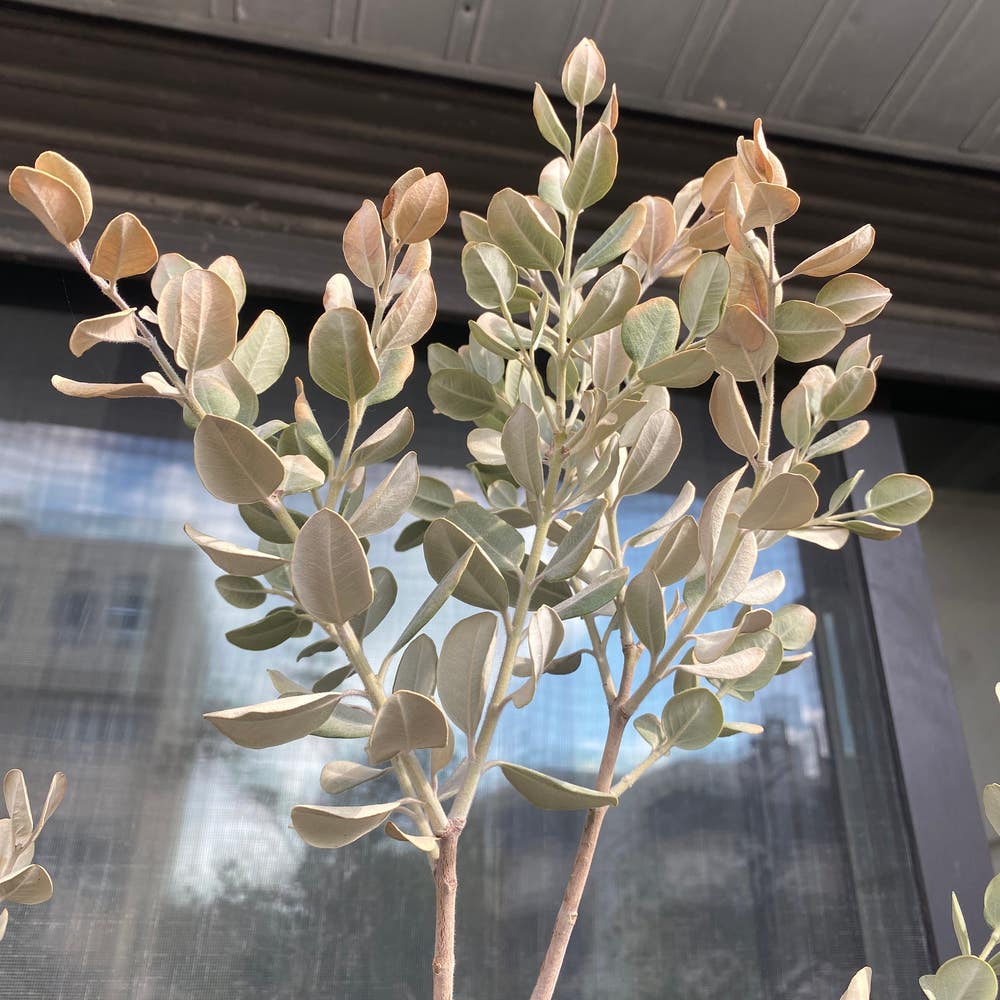
Best Time to Plant Your Metrosideros
Metrosideros subtomentosa
By the Greg Editorial Team
Nov 08, 2024•10 min read
This article was created with the help of AI so we can cover more plants for you. May contain errors. See one? Report it here.
Protect your Metrosideros from frost 🌱 by mastering planting timing for a thriving garden!
- ❄️ Know your frost dates to protect Metrosideros from cold damage.
- 🌡️ Ideal soil temperature for planting is 60°F to 75°F (15°C to 24°C).
- 🌞 12 to 14 hours of light promotes healthy Metrosideros growth.
Importance of Frost Dates
🌨️ How to Determine Frost Dates
Frost dates are crucial for successful planting, marking the last spring frost and the first fall frost. Knowing these dates helps you time your planting to avoid damage from unexpected cold snaps.
To find your local frost dates, utilize resources like the USDA Plant Hardiness Zone Map or consult local agricultural extensions. These tools provide valuable insights tailored to your specific region.
For example, in northern states like Minnesota, the last frost can occur as late as June, while in southern regions like Florida, it might be as early as February. Understanding these variations is key to ensuring your Metrosideros thrives.
By keeping an eye on frost dates, you can plan your planting schedule effectively, maximizing your chances for a successful garden. This knowledge not only protects your plants but also enhances your gardening experience, allowing you to engage more deeply with your local environment.
As you prepare for planting, remember that frost dates are just one piece of the puzzle. Next, we'll explore how soil temperature plays a vital role in the growth of your Metrosideros.
Soil Temperature Considerations
Ideal Soil Temperature for Metrosideros 🌡️
For successful planting of Metrosideros, aim for an optimal soil temperature range of 60°F to 75°F (15°C to 24°C). This temperature range is crucial as it significantly influences seed germination and root development.
When the soil is too cold, seeds may struggle to sprout, leading to poor growth. Conversely, excessively warm soil can stress the plants, hindering their establishment.
Methods to Measure Soil Temperature 🌍
To accurately gauge soil temperature, a soil thermometer is your best friend. Insert it into the soil at the depth where you plan to plant, ensuring you get a precise reading.
Timing is also key. Check the soil temperature a few days before planting to ensure conditions are just right. This proactive approach helps you avoid planting too early or too late, setting your Metrosideros up for success.
Understanding soil temperature is essential for optimal planting. With the right conditions, your plants will thrive and flourish.
As you prepare for planting, consider how day length can also impact the growth of your Metrosideros.
Impact of Day Length on Growth
🌱 How Day Length Affects Metrosideros
Day length plays a crucial role in the growth of Metrosideros, primarily through a process known as photoperiodism. This is how the plant responds to varying lengths of daylight, influencing its flowering and overall growth cycles.
Understanding photoperiodism is essential for successful planting. Metrosideros thrives when it receives the right amount of light, which directly affects its ability to bloom and develop robustly.
⏰ Ideal Day Length Conditions
For optimal growth, Metrosideros requires a day length of 12 to 14 hours of light. This range supports healthy development and encourages vibrant flowering.
Seasonal variations in day length can significantly impact when you should plant. Being aware of these changes helps you time your planting for the best results, ensuring your Metrosideros flourishes throughout the growing season.
In summary, recognizing the importance of day length and its ideal conditions is vital for successful Metrosideros cultivation. With this knowledge, you can make informed decisions about when to plant, setting the stage for a thriving garden.
Next, we will explore regional planting considerations to help you determine the best planting months for your area.
Regional Planting Considerations
🌱 Ideal Planting Months in Key States
When it comes to planting Metrosideros, timing is everything. Here’s a quick guide to the best months for planting in various states:
Florida
For those in the Sunshine State, the ideal planting window is from March to April. This timing allows the plants to establish before the heat of summer kicks in.
California
In California, you can start planting from March to May. The diverse climates across the state mean you’ll want to pay attention to your specific region.
Texas
Texas gardeners should aim for March to April. This timeframe helps ensure that your Metrosideros can thrive in the warm Texas sun.
New York
In New York, the best time to plant is from late May to early June. This allows the soil to warm up sufficiently after the last frost.
Colorado
Similar to New York, Colorado gardeners should plan for late May to early June. The elevation can affect temperatures, so be mindful of local conditions.
Ohio
For Ohio, the recommended planting period is late April to early June. This gives your plants a good start before the summer heat arrives.
Understanding these regional differences is crucial for successful planting. By aligning your planting schedule with local conditions, you set your Metrosideros up for a thriving future.
Next, let’s explore effective seed starting techniques to ensure your plants get the best possible start.
Seed Starting Techniques
🌱 Starting Seeds Indoors: Timing and Tips
Starting seeds indoors is a fantastic way to get a jump on the growing season. Aim to start your seeds 6-8 weeks before the last frost date in your area.
For optimal growth, maintain indoor conditions that mimic a greenhouse. Keep the temperature between 70°F and 75°F (21°C to 24°C) for best results.
Light is crucial too; provide 12-14 hours of artificial light daily to ensure your seedlings thrive.
When it comes to the medium, choose a well-draining, sterile seed starting mix. This helps prevent diseases and promotes healthy root development.
🌾 Direct Sowing: When and How
Direct sowing is another effective method for planting Metrosideros seeds. The best time for this is after the last frost date when soil temperatures are ideal.
Follow these steps for successful direct sowing:
- Prepare the soil: Loosen it up and amend with organic matter to enhance fertility.
- Sow seeds: Plant them at a depth of 1/4 inch to ensure they have enough coverage.
- Water gently: Keep the soil consistently moist until germination occurs.
By following these techniques, you’ll set your Metrosideros up for a healthy start. Next, let’s explore the comprehensive planting guide to ensure you have all the information needed for success.
Comprehensive Planting Guide
List of All 52 States and Optimal Planting Times for Metrosideros 🌱
Understanding the best time to plant your Metrosideros can vary significantly across the United States. Below is a detailed overview of each state and its recommended planting months:
| State | Optimal Planting Months |
|---|---|
| Florida | March to April |
| California | March to May |
| Texas | March to April |
| New York | Late May to early June |
| Colorado | Late May to early June |
| Ohio | Late April to early June |
| Alabama | March to April |
| Arizona | March to May |
| Arkansas | March to April |
| Connecticut | Late May to early June |
| Delaware | Late April to early June |
| Georgia | March to April |
| Hawaii | Year-round |
| Idaho | Late May to early June |
| Illinois | Late April to early June |
| Indiana | Late April to early June |
| Iowa | Late April to early June |
| Kansas | March to April |
| Kentucky | Late April to early June |
| Louisiana | March to April |
| Maine | Late May to early June |
| Maryland | Late April to early June |
| Massachusetts | Late May to early June |
| Michigan | Late April to early June |
| Minnesota | Late May to early June |
| Mississippi | March to April |
| Missouri | Late April to early June |
| Montana | Late May to early June |
| Nebraska | Late April to early June |
| Nevada | March to May |
| New Hampshire | Late May to early June |
| New Jersey | Late April to early June |
| New Mexico | March to May |
| North Carolina | March to April |
| North Dakota | Late May to early June |
| Ohio | Late April to early June |
| Oklahoma | March to April |
| Oregon | March to May |
| Pennsylvania | Late April to early June |
| Rhode Island | Late May to early June |
| South Carolina | March to April |
| South Dakota | Late May to early June |
| Tennessee | March to April |
| Texas | March to April |
| Utah | March to May |
| Vermont | Late May to early June |
| Virginia | Late April to early June |
| Washington | March to May |
| West Virginia | Late April to early June |
| Wisconsin | Late May to early June |
| Wyoming | Late May to early June |
Summary of Key Factors for Successful Planting 🌼
When planning to plant your Metrosideros, consider three critical factors: frost dates, soil temperature, and day length.
- Frost Dates: Knowing the last spring and first fall frost dates helps you avoid planting too early or too late.
- Soil Temperature: Aim for soil temperatures between 60°F to 75°F (15°C to 24°C) for optimal seed germination and root development.
- Day Length: Metrosideros thrives with 12-14 hours of light, influencing its growth and flowering cycles.
Local climate and conditions play a vital role in determining the best planting time. Always adjust your planting schedule based on your specific region to ensure the healthiest growth for your Metrosideros.
With these insights, you’re well-equipped to make informed decisions about when to plant your Metrosideros, setting the stage for a thriving garden.
⚠️ Safety First
This content is for general information and may contain errors, omissions, or outdated details. It is not medical, veterinary advice, or an endorsement of therapeutic claims.
Always consult a qualified healthcare professional before using any plant as food, medicine, or supplement.
Never eat any plant (or feed one to pets) without confirming its identity with at least two trusted sources.
If you suspect poisoning, call Poison Control (800) 222-1222, the Pet Poison Helpline (800) 213-6680, or your local emergency service immediately.
Spotted an error? Please report it here.
Maximize your Metrosideros success by planting at the perfect time, and let Greg's custom reminders 📅 guide you through local frost dates and optimal conditions for thriving growth!