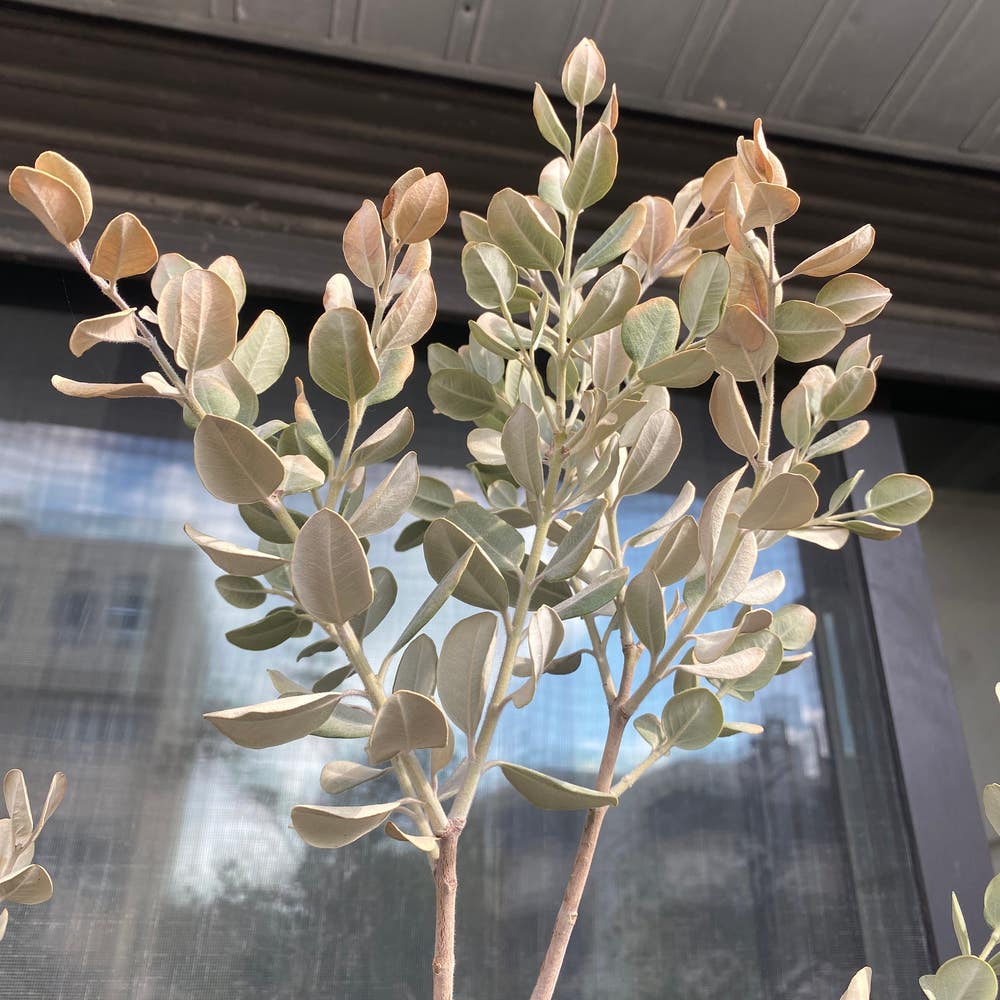
What to Do About Brown Spots on Your Metrosideros 💧
Metrosideros subtomentosa
By the Greg Editorial Team
Nov 08, 2024•6 min read
This article was created with the help of AI so we can cover more plants for you. May contain errors. See one? Report it here.
Revive your Metrosideros from brown spots 🌱 to vibrant health with these essential diagnosis and treatment tips!
- 🌧️ Brown spots arise from drought stress, overwatering, or poor drainage.
- 🦠 Fungal infections and pests are major causes; inspect regularly for early detection.
- 🌱 Nutrient deficiencies can lead to brown spots; use balanced fertilizers for plant health.
Causes of Brown Spots
🌍 Environmental Stress Factors
Drought Stress
Drought stress is a common culprit behind brown spots on your Metrosideros. Symptoms include wilting leaves and dry soil, which can lead to browning and leaf drop if not addressed promptly.
Overwatering
On the flip side, overwatering can also wreak havoc. Look for yellowing leaves and soggy soil, as these signs indicate root rot, which often results in unsightly leaf spotting.
Poor Drainage
Well-drained soil is crucial for the health of your Metrosideros. Signs of drainage issues include water pooling and slow absorption, both of which can contribute to brown spots on leaves.
🥦 Nutrient Deficiencies
Nitrogen Deficiency
A nitrogen deficiency can manifest as yellowing leaves with brown spots. This deficiency not only affects leaf color but also stunts growth and reduces flowering, impacting the plant's overall vigor.
Potassium Deficiency
Marginal browning of leaves often signals a potassium deficiency. Potassium is vital for leaf health and disease resistance, making its presence essential for a thriving plant.
🍄 Fungal Infections
Common Leaf Spot Diseases
Fungal infections can lead to brown spots with yellow halos around them. These conditions thrive in high humidity and poor air circulation, making it essential to monitor your plant's environment.
Metrosideros Rust
Metrosideros rust presents as orange or brown pustules on the undersides of leaves. This infection can severely impact leaf health and may lead to premature leaf drop if left untreated.
🐛 Pest Infestations
Aphids
Aphids are notorious for causing curling leaves and leaving a sticky residue. These pests weaken plants, making them more susceptible to diseases and further complications.
Spider Mites
Spider mites can be identified by fine webbing and stippled leaves. Their presence often leads to browning and leaf drop, indicating a need for immediate action to protect your plant.
Understanding these causes of brown spots is the first step in addressing the issue effectively. By recognizing the symptoms and underlying factors, you can take proactive measures to restore your Metrosideros to its vibrant state.
Diagnosing Brown Spots
🕵️♂️ Identifying Symptoms
Diagnosing brown spots on your Metrosideros starts with a careful visual inspection. Look for patterns in the discoloration; are the spots random or is there a uniform browning across the leaves?
Next, assess the leaf texture. Are the leaves wilting and soft, or do they feel firm and healthy? This can provide clues about the underlying issues affecting your plant.
🔍 Differentiating Between Types of Spots
Understanding the type of spots is crucial for effective treatment. Fungal spots typically have defined edges and may present yellow halos around them, indicating a potential infection.
In contrast, environmental spots often appear irregular in shape and vary in size. Recognizing these differences can help you determine whether the issue stems from a fungal infection or environmental stress.
🌱 Assessing Overall Plant Health
Evaluating the overall health of your Metrosideros is essential. Compare the growth patterns of new leaves to older foliage; healthy plants will show vibrant new growth, while unhealthy ones may exhibit stunted or discolored leaves.
Additionally, check the soil condition. Look for signs of compaction or drainage issues, as these can significantly impact your plant's health and contribute to the development of brown spots.
By carefully diagnosing the symptoms and assessing the overall health of your Metrosideros, you can take informed steps toward restoring its vitality. Next, let's explore effective treatment options to address those pesky brown spots.
Treatment Options
🌱 Organic Treatments for Fungal Infections
Fungal infections can be a real headache for your Metrosideros, but organic treatments can help.
Neem Oil Application
Neem oil is a powerful natural remedy. To apply, dilute the oil and spray it directly on the affected leaves.
- Frequency: Repeat this every 7-14 days until you notice improvement.
Baking Soda Solution
Another effective option is a baking soda solution. Mix 1 tablespoon of baking soda in 1 gallon of water.
- Application Method: Spray this mixture on the leaves in the early morning for the best results.
⚗️ Chemical Fungicides and Their Application
If organic methods don’t cut it, chemical fungicides might be necessary.
Types of Fungicides Suitable for Metrosideros
There are two main types of fungicides: systemic and contact. Systemic fungicides are absorbed by the plant, providing internal protection, while contact fungicides act on the surface.
Application Guidelines
Timing is crucial when applying fungicides.
- Best Timing: Apply during dry weather for optimal effectiveness.
- Safety Precautions: Always wear gloves and a mask to protect yourself during application.
💧 Adjusting Watering Practices
Proper watering is essential for the health of your Metrosideros.
Establishing a Watering Schedule
Aim for deep but infrequent watering. This encourages strong root growth and prevents waterlogging.
- Signs of Proper Watering: Check the soil moisture regularly to ensure it’s not too dry or too soggy.
🌿 Fertilization Strategies
Fertilization can significantly boost your plant's health.
Recommended Fertilizers for Metrosideros
Use balanced NPK fertilizers to provide essential nutrients. The right ratios are crucial for optimal growth.
Application Timing
Timing your fertilization is key.
- Best Times to Fertilize: Early spring and mid-summer are ideal for giving your Metrosideros the nutrients it needs to thrive.
By implementing these treatment options, you can effectively manage brown spots on your Metrosideros. Next, let’s explore preventive measures to keep your plant healthy and vibrant.
Preventive Measures
Best Practices for Watering 🌊
Effective watering is crucial for the health of your Metrosideros. Deep watering methods encourage robust root growth, allowing the plant to access moisture more efficiently.
Avoiding overhead watering is also essential. This practice helps reduce the risk of fungal diseases that thrive in damp conditions.
Soil Health and Amendments 🌱
Soil testing plays a vital role in maintaining optimal growth conditions for your plants. Aim for a pH level between 6.0 and 7.0 to ensure your Metrosideros thrives.
To improve drainage, consider adding organic matter to your soil. Compost and peat moss can significantly enhance soil structure and moisture retention.
Regular Inspection for Pests and Diseases 🔍
Regular inspections are key to catching issues early. Aim for weekly checks during the growing season to monitor your plants closely.
Look for signs of trouble, such as discoloration, webbing, or unusual growth patterns. Early detection can make a significant difference in managing pests and diseases.
Proper Spacing and Air Circulation 🌬️
Proper spacing is essential for healthy Metrosideros plants. Aim for a minimum spacing of 3-5 feet apart to ensure adequate airflow.
Pruning also plays a critical role in promoting air circulation. Remove dead or crowded branches to help your plants breathe and reduce disease risk.
By implementing these preventive measures, you can help your Metrosideros flourish and minimize the occurrence of brown spots. Next, let’s explore how to diagnose brown spots effectively.
⚠️ Safety First
This content is for general information and may contain errors, omissions, or outdated details. It is not medical, veterinary advice, or an endorsement of therapeutic claims.
Always consult a qualified healthcare professional before using any plant as food, medicine, or supplement.
Never eat any plant (or feed one to pets) without confirming its identity with at least two trusted sources.
If you suspect poisoning, call Poison Control (800) 222-1222, the Pet Poison Helpline (800) 213-6680, or your local emergency service immediately.
Spotted an error? Please report it here.
Keep your Metrosideros spot-free 🌿 by using Greg's tailored watering and nutrient reminders to ensure your plant thrives with vibrant health!