☀️ Direct Sunlight and Your Metrosideros
Metrosideros subtomentosa
By the Greg Editorial Team
Nov 08, 2024•5 min read
This article was created with the help of AI so we can cover more plants for you. May contain errors. See one? Report it here.
Unlock vibrant growth for your Metrosideros by mastering its sunlight needs! 🌞🌿
- ☀️ Metrosideros thrives in bright, direct sunlight; ideal for sunny spots.
- 🌿 Too much sunlight causes stress, leading to leaf scorch and wilting.
- 📏 Adjust location based on sunlight exposure for optimal health and vitality.
Metrosideros and Direct Sunlight
🌞 Does Metrosideros Need Direct Sunlight?
Metrosideros thrives in bright, direct sunlight. Unlike shade-loving plants, which prefer dappled light, this species flourishes when bathed in sunlight, making it a perfect choice for sunny spots.
🌊 Can Metrosideros Tolerate Direct Sunlight?
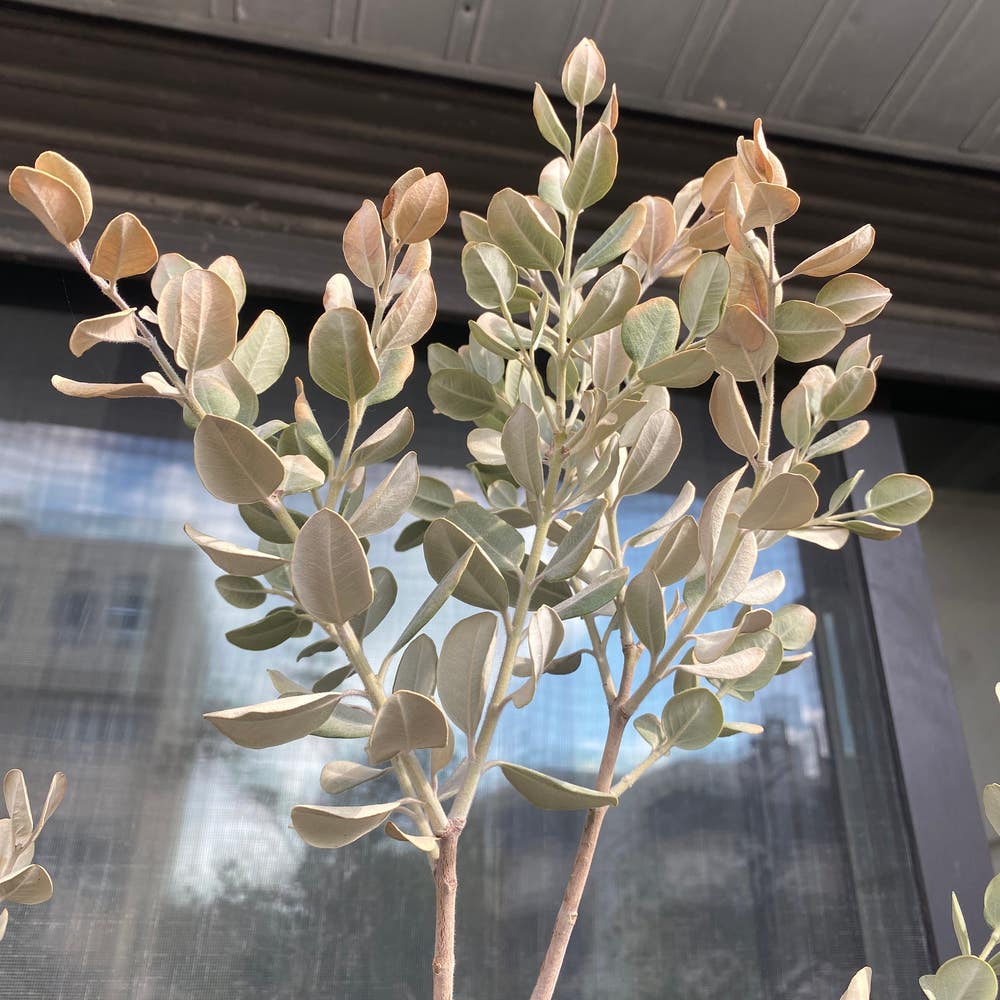
In its natural habitat, Metrosideros grows along coastal environments where bright light conditions are the norm. Its thick, leathery leaves are a remarkable adaptation, allowing it to retain moisture even under intense sunlight.
🔥 Effects of Too Much Direct Sunlight on Metrosideros
While Metrosideros loves the sun, too much can lead to stress. Signs include leaf scorch, wilting, and discoloration, which indicate that the plant is struggling to cope.
To combat these issues, moisture plays a crucial role. A lack of water can exacerbate the effects of excessive sunlight, leading to more severe stress on the plant.
Understanding these dynamics helps ensure your Metrosideros remains healthy and vibrant. As we move forward, let’s explore how window direction can impact sunlight exposure for your plant.
Window Direction and Sunlight Exposure
🌞 How Window Direction Affects Sunlight Intensity
Understanding how window direction influences sunlight intensity is crucial for your Metrosideros. The cardinal directions—North, South, East, and West—play a significant role in determining how much light your plant receives throughout the day.
- North-facing windows typically receive the least direct sunlight, making them less ideal for light-loving plants like Metrosideros.
- South-facing windows are the champions, offering the most consistent and intense sunlight, perfect for your plant's growth.
- East-facing windows provide gentle morning light, while West-facing windows deliver stronger afternoon rays, which can be beneficial but also intense.
🪴 Best Window Placements for Metrosideros
For optimal growth, placing your Metrosideros in a South-facing window is your best bet. This location ensures your plant gets maximum sunlight exposure, promoting vibrant foliage and healthy growth.
If you have to use East or West-facing windows, consider the time of day. Morning sunlight from the East is milder, which can be great for young plants. In contrast, the afternoon sun from the West can be intense, so monitor your plant closely to avoid stress.
By strategically positioning your Metrosideros, you can create an environment that mimics its natural coastal habitat, ensuring it thrives.
As you consider these placements, remember that adjusting your plant's location based on sunlight exposure can make a significant difference in its health and vitality.
Geographic Considerations
☀️ Sunlight Differences in the Northern vs. Southern Hemisphere
The sun's path varies significantly between the Northern and Southern Hemispheres, impacting how much sunlight your Metrosideros receives. In the Northern Hemisphere, the sun arcs higher in the sky during summer, providing longer daylight hours, while in the Southern Hemisphere, the opposite occurs, affecting plant care strategies.
Understanding these differences is crucial for Metrosideros care. For instance, if you're in the Northern Hemisphere, your plant may thrive with more direct sunlight during summer, while in the Southern Hemisphere, you might need to adjust exposure as the sun's angle changes.
🌍 Seasonal Variations in Sunlight Exposure
Seasons bring about notable changes in daylight hours, which directly affect sunlight availability for your Metrosideros. During winter, shorter days mean less sunlight, while summer offers extended hours of bright light.
Monitoring these seasonal shifts is essential for optimal plant health. Adjusting care routines, such as repositioning your plant or altering watering schedules, can help your Metrosideros adapt to varying sunlight conditions throughout the year.
Signs of Sunlight Stress in Metrosideros
🌞 Identifying Signs of Too Much or Too Little Sunlight
Metrosideros plants can show clear signs of stress when their sunlight needs aren't met. If your plant is getting too much sun, look for symptoms like leaf burn, faded colors, and drooping leaves.
On the flip side, insufficient sunlight can lead to leggy growth, small leaves, and a lack of flowers. These signs indicate that your Metrosideros is struggling to thrive in its current light conditions.
🛠️ Solutions for Adjusting Sunlight Exposure
If you notice your Metrosideros showing signs of stress, consider relocating it to a more suitable light condition. Moving the plant closer to a window or to a brighter room can make a significant difference.
Another effective solution is to use sheer curtains. These can filter excessive sunlight while still allowing enough light to reach your plant, creating a balanced environment for healthy growth.
By paying attention to these signs and making adjustments, you can help your Metrosideros flourish in its ideal sunlight conditions. This proactive approach ensures your plant remains vibrant and healthy, ready to thrive in its environment.
Next, we’ll explore how window direction affects sunlight intensity and what that means for your Metrosideros care.
Additional Considerations for Plant Parents
🌞 Tips for Monitoring Sunlight Exposure
Regular observation is key to ensuring your Metrosideros thrives. Check your plant's health frequently and be ready to adjust its light conditions as needed.
Keeping a light diary can be a game-changer. Track sunlight exposure and your plant's responses over time to identify patterns and make informed adjustments.
📏 Tools to Measure Light Intensity for Metrosideros
Using a light meter is an effective way to assess sunlight levels. These devices can help you determine if your plant is getting the right amount of light.
If you prefer a DIY approach, there are simple techniques to gauge light intensity without specialized tools. For instance, you can observe how shadows change throughout the day or use a piece of white paper to see how bright the light is in your plant's location.
By staying attentive and utilizing these tools, you can create the perfect environment for your Metrosideros to flourish. This proactive approach will ensure your plant receives just the right amount of sunlight, promoting healthy growth and vibrant foliage.
As you refine your care routine, you'll be better prepared to tackle the next topic: identifying signs of sunlight stress in your Metrosideros.
⚠️ Safety First
This content is for general information and may contain errors, omissions, or outdated details. It is not medical, veterinary advice, or an endorsement of therapeutic claims.
Always consult a qualified healthcare professional before using any plant as food, medicine, or supplement.
Never eat any plant (or feed one to pets) without confirming its identity with at least two trusted sources.
If you suspect poisoning, call Poison Control (800) 222-1222, the Pet Poison Helpline (800) 213-6680, or your local emergency service immediately.
Spotted an error? Please report it here.
Ensure your Metrosideros enjoys perfect sunlight ☀️ by using Greg to tailor its care plan, balancing bright light with essential moisture for vibrant growth!