🌳 Metrosideros is Not an Invasive Plant
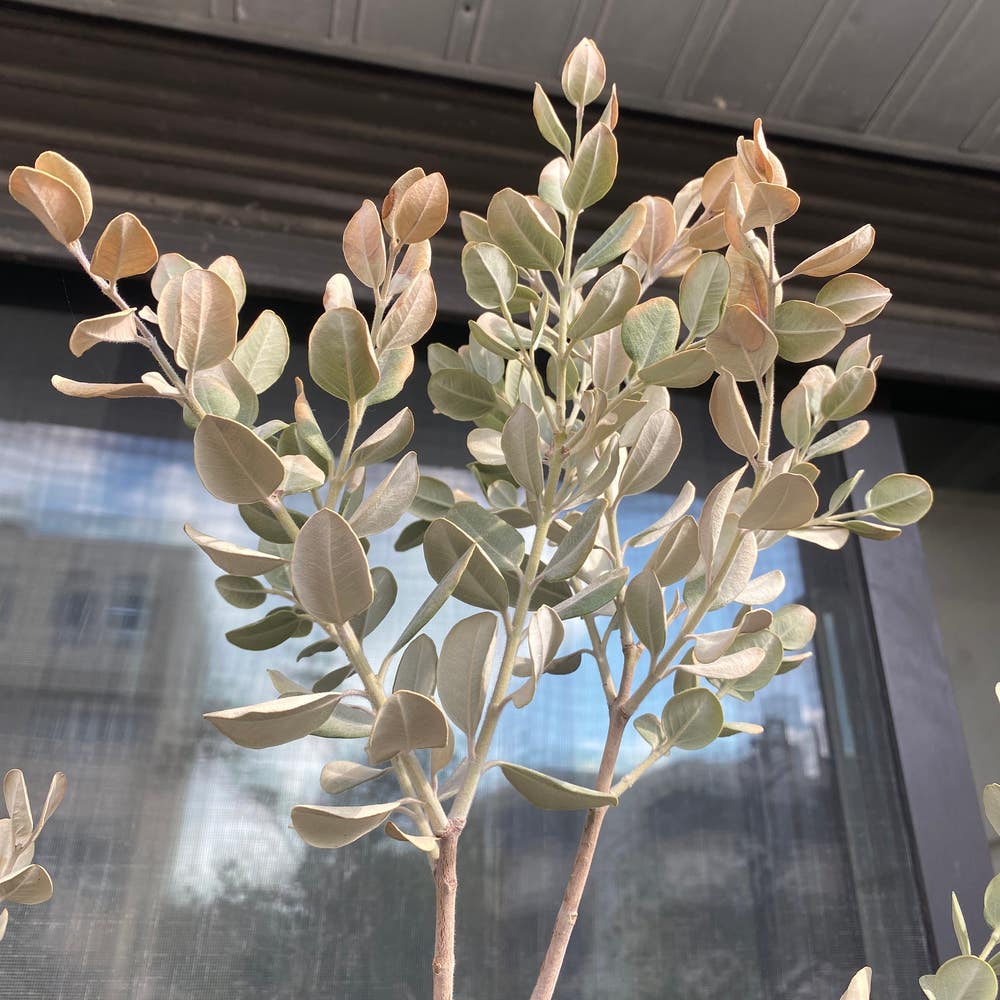
Metrosideros subtomentosa
By the Greg Editorial Team
Nov 08, 2024•5 min read
This article was created with the help of AI so we can cover more plants for you. May contain errors. See one? Report it here.
Elevate your garden's beauty 🌼 while nurturing wildlife with Metrosideros, a plant that thrives in harmony with nature!
- 🌳 Metrosideros grows 10-30 feet, adaptable as trees or shrubs based on care.
- 🌼 Supports biodiversity by attracting pollinators and providing wildlife habitats.
- 🌱 Enhances soil health through nutrient cycling and erosion prevention.
Growth Habits
🌱 Typical Growth Patterns
Metrosideros species can grow impressively tall, reaching heights between 10 to 30 feet. Their growth form varies, presenting as either a tree or shrub, influenced by the specific variety and pruning practices.
🌍 Natural Growth Limits
Several factors dictate how Metrosideros thrives, including soil type, moisture levels, and sunlight exposure. In their native habitats, these plants often exhibit different growth behaviors compared to cultivated settings, adapting to local conditions.
🌡️ Factors Influencing Growth Behavior
Environmental conditions play a crucial role in shaping growth behavior. Temperature, humidity, and soil quality significantly impact how these plants develop.
Additionally, Metrosideros interacts with surrounding flora, engaging in both competition and symbiosis. This dynamic influences their overall health and growth patterns, showcasing their adaptability in diverse ecosystems.
Understanding these growth habits is essential for anyone looking to incorporate Metrosideros into their garden. With the right conditions and care, these plants can flourish beautifully, enhancing any landscape.
Next, we will explore the ecological role of Metrosideros and its benefits to the environment.
Ecological Role
Benefits in Ecosystems 🌍
Metrosideros plays a crucial role in preventing soil erosion. Its robust root structure stabilizes the soil, making it an excellent choice for areas prone to erosion.
Additionally, this plant contributes significantly to soil health. Through nutrient cycling and the addition of organic matter, Metrosideros enriches the soil, promoting a thriving ecosystem.
Positive Interactions with Wildlife 🐦
One of the standout features of Metrosideros is its ability to attract pollinators. The vibrant flowers draw in birds and bees, creating a lively atmosphere in any garden.
Moreover, Metrosideros provides essential habitat for various wildlife species. It offers shelter and food sources, supporting a diverse range of creatures in the ecosystem.
Supporting Biodiversity 🌱
Incorporating Metrosideros into gardens enhances local flora. Its presence increases plant diversity, which is vital for a healthy ecosystem.
Furthermore, Metrosideros interacts positively with native species. This interaction fosters a balanced ecosystem, promoting resilience and sustainability in the environment.
Transitioning to garden management, understanding how to incorporate Metrosideros effectively can amplify its ecological benefits while enhancing your garden's aesthetic appeal.
Garden Management
Incorporation into Garden Designs 🌼
Metrosideros can serve as stunning focal points in your garden. Their vibrant blooms and unique growth forms make them ideal for creating eye-catching displays or as hedges that provide privacy and structure.
When considering companion planting, think about pairing Metrosideros with other non-invasive species. Plants like lavender or ornamental grasses can complement their beauty while enhancing the overall garden aesthetic.
Aesthetic Considerations 🎨
The flowering seasons of Metrosideros bring a burst of color to your landscape. Their vivid flowers and lush foliage create visual interest throughout the year, making them a favorite among gardeners.
Seasonal changes also play a role in their appeal. As the seasons shift, Metrosideros can provide a dynamic backdrop, showcasing different colors and textures that enrich your garden's atmosphere.
Controlling Growth ✂️
To maintain the desired shape and size of your Metrosideros, regular pruning is essential. This moderate-level task helps ensure your plants stay healthy and visually appealing.
Monitoring growth is equally important. Regular checks will help you catch any signs of unwanted spread, allowing you to manage their growth effectively and keep your garden looking its best.
With thoughtful incorporation and management, Metrosideros can thrive beautifully in your garden, enhancing both its aesthetic and ecological value. Next, let’s explore how these plants compare to others in terms of their unique qualities and benefits.
Comparison to Other Plants
🌱 Comparison with Non-Invasive Species
When considering non-invasive plants, it’s essential to recognize their characteristics and growth habits. Many non-invasive species thrive in various environments, offering stability and beauty without overwhelming local ecosystems.
Metrosideros stands out in this comparison. It boasts a moderate growth rate, typically reaching heights of 10-30 feet, depending on the species and conditions. While some non-invasive plants may grow faster, Metrosideros provides significant ecological benefits, such as soil stabilization and nutrient cycling, making it a valuable addition to any garden.
🌟 Unique Qualities
Metrosideros is known for its distinctive features, including vibrant flower colors that range from bright reds to soft pinks. Its growth form can vary from tree to shrub, allowing for versatility in garden design.
In specific garden settings, Metrosideros offers unique benefits. Its adaptability to different soil types and conditions makes it an excellent choice for enhancing biodiversity. Plus, its ability to attract pollinators adds an extra layer of ecological value, supporting local wildlife and enriching the garden experience.
By incorporating Metrosideros into your landscape, you not only beautify your space but also contribute positively to the environment. This plant exemplifies how thoughtful gardening can lead to a thriving ecosystem, making it a standout choice among non-invasive species.
As we move forward, let’s explore the legal and environmental considerations surrounding the use of Metrosideros in gardening.
Legal and Environmental Considerations
🌱 Classifications and Guidelines
When incorporating Metrosideros into your garden, it's essential to be aware of local regulations regarding non-invasive species. Many regions have specific guidelines that promote the planting of native and non-invasive plants to protect local ecosystems.
Understanding these classifications helps ensure that your gardening efforts contribute positively to the environment. Always check with local gardening authorities or extension services for the most current regulations.
♻️ Sustainable Gardening Practices
Native plants play a crucial role in sustainable gardening, and Metrosideros is no exception. By choosing native species, you support local wildlife and promote biodiversity in your garden.
To incorporate Metrosideros into eco-friendly designs, consider these strategies:
- Choose Native Companions: Pair Metrosideros with other native plants to create a harmonious ecosystem.
- Use Organic Practices: Avoid synthetic fertilizers and pesticides, opting for natural alternatives that nourish the soil.
- Create Diverse Habitats: Design your garden to include various plant heights and types, providing shelter and food for wildlife.
By following these practices, you can cultivate a beautiful garden that thrives while supporting the environment. This approach not only enhances your outdoor space but also contributes to the health of the local ecosystem.
As you plan your garden, remember that every choice counts. Embracing sustainable practices with Metrosideros can lead to a flourishing, vibrant garden that benefits both you and the environment.
⚠️ Safety First
This content is for general information and may contain errors, omissions, or outdated details. It is not medical, veterinary advice, or an endorsement of therapeutic claims.
Always consult a qualified healthcare professional before using any plant as food, medicine, or supplement.
Never eat any plant (or feed one to pets) without confirming its identity with at least two trusted sources.
If you suspect poisoning, call Poison Control (800) 222-1222, the Pet Poison Helpline (800) 213-6680, or your local emergency service immediately.
Spotted an error? Please report it here.
Transform your garden into a biodiversity haven 🌼 with Metrosideros, and let Greg guide you with tailored care tips to ensure your plants thrive beautifully!