🌸 Why Metrosideros Is Not an Annual
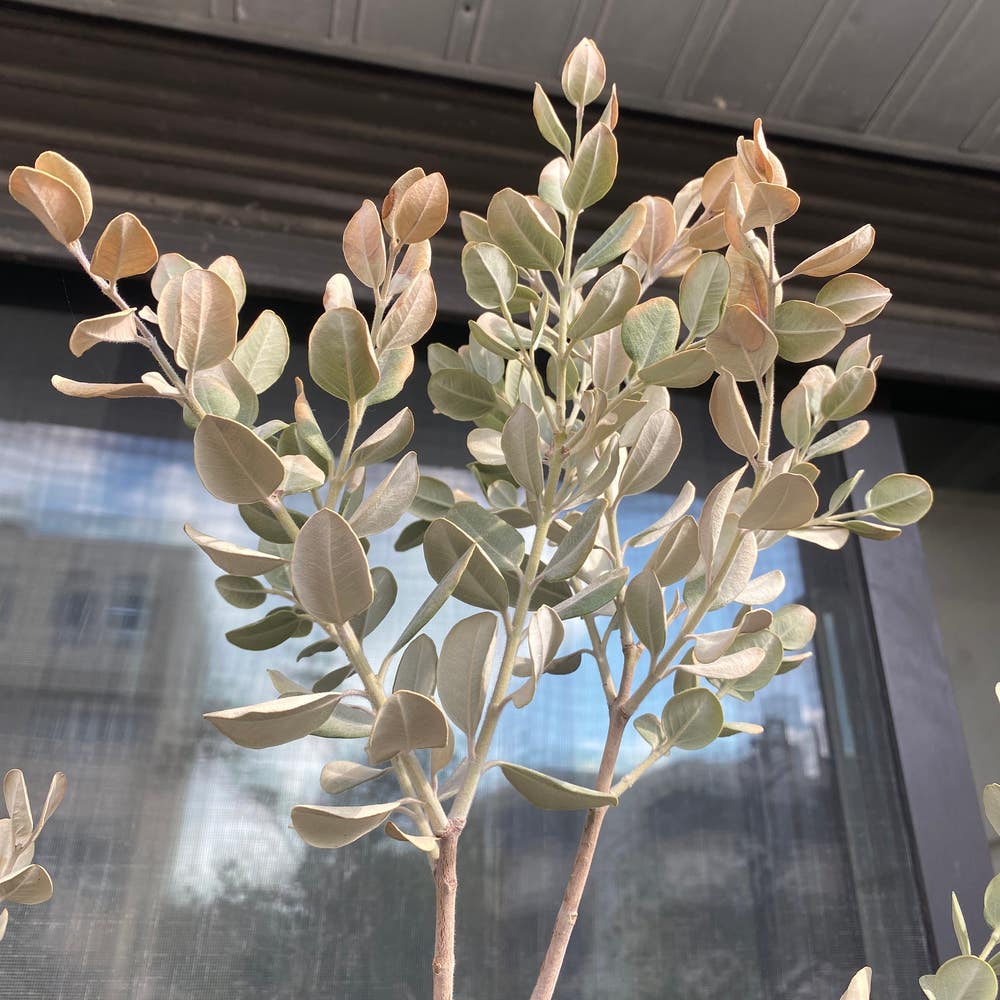
Metrosideros subtomentosa
By the Greg Editorial Team
Nov 08, 2024•4 min read
This article was created with the help of AI so we can cover more plants for you. May contain errors. See one? Report it here.
Unlock a vibrant, resilient garden year-round with the enduring beauty of Metrosideros! 🌼
- 🌱 Metrosideros is a perennial, thriving for decades unlike short-lived annuals.
- 🌍 Genetic diversity enhances resilience, allowing it to adapt to various ecological conditions.
- 🌼 Extended flowering cycles provide vibrant blooms longer than typical annual plants.
Metrosideros as a Perennial
🌱 Genetic Characteristics
Metrosideros species exhibit unique chromosomal structures that enhance their adaptability and long-term survival. This genetic makeup allows them to thrive in various environments, ensuring their resilience over time.
Genetic diversity among Metrosideros species is significant. This variability not only contributes to their adaptability but also supports a wide range of ecological interactions.
🌿 Physiological Traits That Support Perennial Growth
The root system of Metrosideros is deep and extensive, enabling access to vital nutrients and water. This robust root architecture is crucial for sustaining the plant through varying climatic conditions.
Additionally, the leaf structure of Metrosideros is specially adapted for photosynthesis across multiple seasons. These adaptations allow the plant to maximize energy capture, supporting its perennial nature.
⏳ Long-Term Lifecycle and Growth Patterns
Many Metrosideros species can live for decades, showcasing their longevity. This long lifespan is a testament to their ability to adapt and thrive in diverse environments.
Moreover, Metrosideros exhibits continuous growth, maintaining year-round foliage and the potential for flowering. This characteristic sets them apart from annual plants, which complete their lifecycle in a single season.
As we explore the lifecycle comparison, we will delve into the reproductive strategies that further distinguish Metrosideros from annuals.
Lifecycle Comparison
Reproductive Strategies 🌱
Metrosideros species showcase remarkable reproductive strategies that highlight their perennial nature. One of their key features is the ability to produce dormant seeds, allowing them to survive through unfavorable conditions.
These dormant seeds can remain viable for extended periods, waiting for the right environmental cues to germinate. This adaptability ensures that Metrosideros can thrive even in challenging climates.
Pollination Techniques 🐝
Pollination is another critical aspect of Metrosideros' lifecycle. These plants have developed various strategies to attract pollinators, which are essential for their reproductive success.
Brightly colored flowers and sweet nectar draw in bees, birds, and other pollinators. This not only enhances their chances of successful reproduction but also contributes to the biodiversity of their ecosystems.
Summary of Reproductive Advantages 📈
The combination of dormant seed production and effective pollination strategies allows Metrosideros to maintain a stable population over time. This resilience sets them apart from annual plants, which often rely on a single growing season for reproduction.
In the next section, we will explore how these reproductive strategies impact the growth and flowering patterns of Metrosideros, further emphasizing their perennial characteristics.
Implications of Perennial Nature
🌱 Effects on Growth and Flowering
Metrosideros exhibits remarkable adaptability to seasonal changes, allowing it to thrive in various environments. Its growth patterns shift with the seasons, enabling the plant to maximize resource use and resilience.
The flowering cycles of Metrosideros are notably extended compared to annual plants. This means that gardeners can enjoy vibrant blooms for a longer period, enhancing the aesthetic appeal of their landscapes.
🌼 Seed Production in Metrosideros vs. Annuals
One of the standout features of Metrosideros is its ability to produce seeds multiple times throughout its lifespan. Unlike annuals, which typically complete their life cycle in one season, Metrosideros can generate seeds year after year.
Seed viability is another crucial aspect. Metrosideros seeds can enter dormancy, allowing them to survive unfavorable conditions until the environment is right for germination. This adaptability is a significant advantage over annuals, which often have a single chance to reproduce.
🌍 Variations or Exceptions in Different Conditions
Environmental factors play a pivotal role in how Metrosideros is perceived. In harsh climates, these plants may be misclassified as annuals due to their stunted growth or reduced flowering.
Soil conditions also significantly impact growth. Poor soil can hinder the development of Metrosideros, leading to misconceptions about its perennial nature. Understanding these factors is essential for successful cultivation and appreciation of this resilient plant.
As we explore gardening with Metrosideros, these implications of its perennial nature will guide us in maximizing its potential in our landscapes.
Gardening with Metrosideros
Advantages in Garden Design 🌼
Planting Metrosideros offers a long-term investment for any garden enthusiast. As perennials, they provide enduring beauty and require less frequent replanting compared to annuals.
Their aesthetic appeal is undeniable, showcasing vibrant foliage year-round. With seasonal blooms, they add dynamic color and interest to your landscape.
Tips for Maximizing Longevity in the Garden 🌱
To ensure your Metrosideros thrives, start with proper soil preparation. Well-draining, nutrient-rich soil is crucial for robust growth.
Watering practices also play a significant role. Aim for consistent moisture without waterlogging to keep your plants healthy and happy.
Managing Metrosideros as a Perennial ✂️
Effective management of Metrosideros involves strategic pruning techniques. Regular pruning encourages healthy growth and enhances flowering potential.
Additionally, a thoughtful fertilization schedule is essential. Understanding their nutrient needs throughout the seasons will help maintain vibrant foliage and blooms.
Incorporating Metrosideros into your garden not only enriches your landscape but also fosters a deeper connection with nature. As you nurture these resilient plants, you'll appreciate their beauty and longevity even more.
⚠️ Safety First
This content is for general information and may contain errors, omissions, or outdated details. It is not medical, veterinary advice, or an endorsement of therapeutic claims.
Always consult a qualified healthcare professional before using any plant as food, medicine, or supplement.
Never eat any plant (or feed one to pets) without confirming its identity with at least two trusted sources.
If you suspect poisoning, call Poison Control (800) 222-1222, the Pet Poison Helpline (800) 213-6680, or your local emergency service immediately.
Spotted an error? Please report it here.
Unlock the long-lasting beauty of your Metrosideros 🌼 with Greg's tailored care reminders that ensure it thrives year after year!