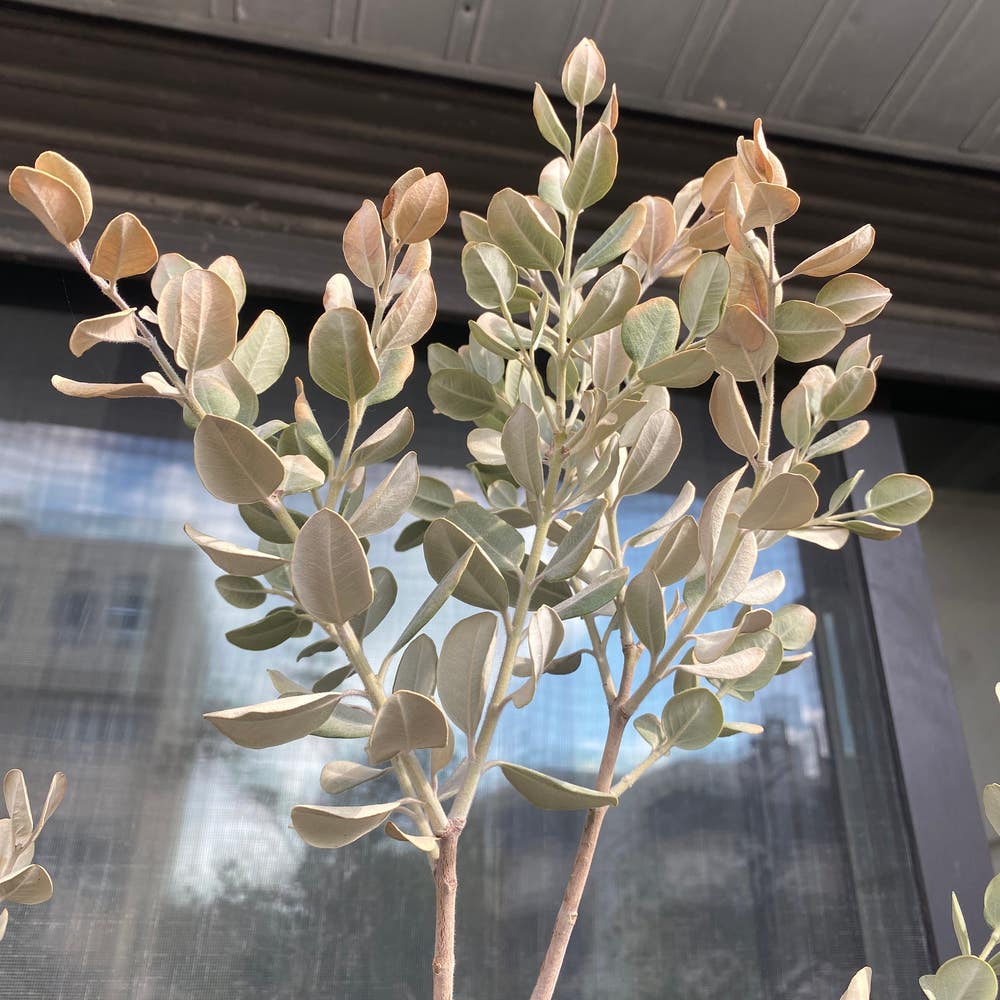
Best Practices for Repotting Metrosideros 🌱
Metrosideros subtomentosa
By the Greg Editorial Team
Nov 08, 2024•8 min read
This article was created with the help of AI so we can cover more plants for you. May contain errors. See one? Report it here.
Revitalize your Metrosideros 🌱 by learning the key signs it’s time to repot for thriving growth!
- 🌱 Recognize root-bound signs like roots out of drainage holes to know when to repot.
- 🏺 Choose a pot 1-2 inches larger for healthy root growth and stability.
- 💧 Water thoroughly post-repotting to settle soil and encourage root contact.
Signs That Indicate It's Time to Repot
Recognizing when it's time to repot your Metrosideros is crucial for its health and growth. Here are the key indicators to watch for.
🌱 Root Bound Indicators
One of the first signs that your plant needs repotting is when roots start growing out of the drainage holes. This indicates that the plant has outgrown its current pot.
Another clear sign is roots circling the pot. This behavior shows that the roots are cramped and struggling for space.
If you notice stunted growth despite providing adequate care, it’s likely time to consider a larger pot. A healthy plant should show signs of growth, so any stagnation is a red flag.
🏺 Soil Condition Indicators
Next, examine the soil condition. If it feels compacted and hard, it may be preventing water absorption, which can lead to further issues.
Look for any accumulation of salts or minerals on the soil surface. This buildup can indicate that the soil is no longer providing the necessary nutrients for your plant.
🌿 Plant Health Indicators
Finally, pay attention to the overall health of your Metrosideros. Yellowing leaves or leaf drop can signal stress, often due to root confinement or poor soil conditions.
Reduced flowering or poor foliage development is another sign that your plant may be struggling. If your plant isn't thriving, it’s time to take action.
By keeping an eye on these indicators, you can ensure your Metrosideros remains healthy and vibrant. Next, let’s explore how to assess root health before repotting.
How to Assess Root Health Before Repotting
🌱 Root Inspection Techniques
Before repotting your Metrosideros, it’s crucial to assess the root health. Gently remove the plant from its pot, taking care to support the base to avoid damage.
Inspect the root system closely. Look for healthy, firm white roots, which indicate vitality, versus brown or mushy roots that signal potential rot.
🔍 Signs of Root Health
Healthy roots are typically firm, white, and spread throughout the soil, indicating a well-established plant. In contrast, unhealthy roots may appear dark, mushy, or emit a foul smell, all signs of root rot.
📊 Importance of Root Health Assessment
Assessing root health is essential for a successful repotting process. This evaluation not only ensures the plant is ready for a new pot but also helps you determine the appropriate pot size to promote healthy growth.
By taking the time to inspect the roots, you set your Metrosideros up for a thriving future. Next, let’s dive into the step-by-step guide for repotting your plant effectively.
Step-by-Step Guide to Repotting
Repotting your Metrosideros can seem daunting, but with a clear plan, it’s a straightforward process. Follow these steps to ensure your plant thrives in its new home.
1. Preparation 🌱
Start by gathering your materials. You’ll need a new pot, potting soil, pruning shears, and gloves.
Choose a pot that is 1-2 inches larger in diameter than the current one. This extra space allows for healthy root growth.
2. Remove the Plant 🌿
Carefully slide the plant out of its current pot. Support the base to prevent damage to the roots.
Take your time with this step; rushing can lead to unnecessary stress for your plant.
3. Inspect and Prune Roots ✂️
Once the plant is out, inspect the root system. Look for any damaged or overly long roots.
Use sterilized pruning shears to trim these roots. This helps promote healthy growth in the new pot.
4. Add Soil to New Pot 🏺
Fill the bottom of the new pot with a layer of potting soil. This base layer provides a cushion for the roots.
Make sure the soil is well-draining to prevent waterlogging.
5. Position the Plant 📍
Place the plant in the center of the new pot. Ensure the root ball is level with the pot rim.
This positioning is crucial for stability and proper growth.
6. Fill with Soil 🧤
Add potting soil around the root ball. Gently press the soil to eliminate air pockets.
This step ensures that the roots have good contact with the soil, which is vital for nutrient uptake.
7. Water Thoroughly 💧
Finally, water the plant well. This helps settle the soil and encourages root contact.
After watering, keep an eye on the moisture levels in the following weeks. Your Metrosideros will appreciate the care you’ve taken during this process.
With these steps, you’re well on your way to giving your plant a fresh start. Next, let’s explore the best pot materials to use for your Metrosideros.
Pot Material Options
Choosing the right pot material is crucial for the health of your Metrosideros. The pot not only holds the plant but also influences drainage, insulation, and overall growth.
🌟 Best Pot Materials
Terracotta
Terracotta pots are a gardener's favorite for good reason. Their excellent drainage and porous nature allow for air exchange, which is vital for healthy root development.
Ceramic
Ceramic pots bring both beauty and functionality to your plant care routine. They offer aesthetic appeal while providing good insulation for the roots, helping to maintain a stable temperature.
🚫 Pot Materials to Avoid
Plastic
While plastic pots are lightweight and inexpensive, they can retain too much moisture. This excess moisture can lead to root rot, a common issue that can jeopardize your plant's health.
Metal
Metal pots may look sleek, but they can heat up quickly in the sun. This rapid temperature change can damage the roots, making them less effective at absorbing water and nutrients.
Choosing the right pot material is a key step in ensuring your Metrosideros thrives. Next, let's explore the ideal potting soil to complement your chosen pot.
Recommended Potting Soil
Ideal Soil Composition 🌱
For your Metrosideros, a well-draining potting mix enriched with organic matter is essential. The best ingredients to include are peat moss, perlite, and coarse sand.
Importance of Drainage 🚰
Good drainage is crucial to prevent waterlogging and root rot. Healthy roots thrive in conditions where excess water can escape, ensuring your plant remains vibrant and strong.
How to Create a Well-Draining Soil Mix 🛠️
Creating your own well-draining soil mix is straightforward.
- Combine equal parts of potting soil, perlite, and coarse sand.
- Ensure the mix is loose and airy to facilitate drainage.
This blend not only supports healthy root growth but also enhances the overall vitality of your Metrosideros.
With the right soil in place, your plant will be set up for success as it continues to thrive in its new pot. Next, let’s explore the various pot material options that can further enhance your repotting experience.
Post-Repotting Care
How to Care After Repotting 🌱
After repotting your Metrosideros, it's crucial to place it in a spot with bright, indirect sunlight. This helps the plant recover without overwhelming it with direct rays.
Avoid fertilizing right after repotting. This can stress the plant further, as it needs time to adjust to its new environment.
Watering Schedule 🚰
Water your plant thoroughly after repotting, ensuring that the water drains out of the bottom. Allow the top inch of soil to dry out before watering again to prevent overwatering.
For the first few weeks, keep a close eye on moisture levels. This vigilance helps you catch any issues early on.
Signs of Stress and How to Address Them ⚠️
Watch for wilting or drooping leaves, which can indicate that your plant needs more water. Check the soil moisture and adjust your watering schedule accordingly.
If you notice leaf yellowing, it may be a sign of improper light conditions or overwatering. Ensure your Metrosideros is getting the right amount of light and adjust your watering habits as needed.
By following these post-repotting care tips, you can help your Metrosideros thrive in its new home. Next, let’s explore common repotting mistakes to avoid for a smoother experience.
Common Repotting Mistakes to Avoid
🚫 Mistakes to Avoid
Repotting can be a tricky process, and a few common mistakes can lead to serious issues. One of the biggest errors is choosing a pot that is too large; this can cause overwatering and root rot, as the excess soil retains too much moisture.
Another frequent mistake is neglecting to inspect the roots before repotting. Failing to check for root health can lead to transplant shock, which can hinder your plant's recovery and growth.
🛡️ How to Prevent Root Damage
To ensure a smooth repotting experience, use gentle techniques when removing the plant from its pot. Supporting the base while carefully sliding it out minimizes stress on the roots.
Additionally, avoid excessive root pruning. Only trim damaged roots to maintain a healthy root system, as over-pruning can shock the plant and stunt its growth.
⏰ Importance of Timing
Timing is crucial when it comes to repotting. The best time to repot your Metrosideros is early spring, just before new growth begins.
It's wise to avoid repotting during flowering or extreme temperature changes, as these conditions can stress the plant and hinder its ability to adapt to its new environment.
By steering clear of these common pitfalls, you can set your plant up for success and ensure a smooth transition to its new pot. Next, let’s explore the best pot materials to use for your Metrosideros.
⚠️ Safety First
This content is for general information and may contain errors, omissions, or outdated details. It is not medical, veterinary advice, or an endorsement of therapeutic claims.
Always consult a qualified healthcare professional before using any plant as food, medicine, or supplement.
Never eat any plant (or feed one to pets) without confirming its identity with at least two trusted sources.
If you suspect poisoning, call Poison Control (800) 222-1222, the Pet Poison Helpline (800) 213-6680, or your local emergency service immediately.
Spotted an error? Please report it here.
Transform your Metrosideros with expert repotting tips 🌱 from Greg, ensuring a smooth transition and vibrant growth with personalized reminders and care advice tailored just for your plant!