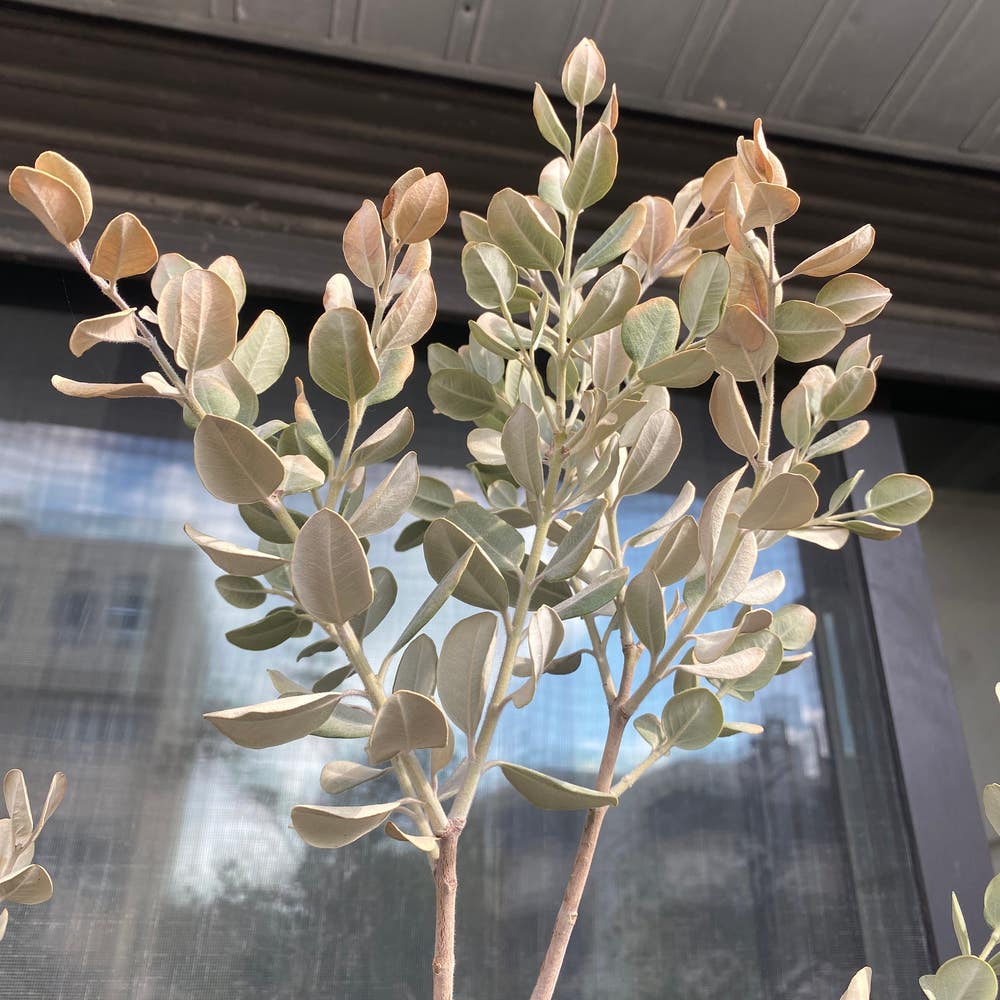
🔍 What to Do About Black Spots on Your Metrosideros
Metrosideros subtomentosa
By the Greg Editorial Team
Nov 08, 2024•6 min read
This article was created with the help of AI so we can cover more plants for you. May contain errors. See one? Report it here.
Transform your Metrosideros and banish black spots for good with these essential care tips! 🌿✨
- 🌱 Black spots on Metrosideros stem from fungal or bacterial infections; identify them for treatment.
- 💧 Humidity and poor air circulation promote fungal growth; improve conditions to prevent spots.
- 🛠️ Regular inspections and care help catch issues early, ensuring healthier Metrosideros plants.
Causes of Black Spots
🦠 Fungal Infections and Their Impact
Fungal infections are a primary cause of black spots on Metrosideros. Common culprits include leaf spot fungi like Alternaria and Colletotrichum, which manifest as dark, circular spots often surrounded by yellow halos.
These fungi thrive in conditions of high humidity and poor air circulation. Overhead watering practices can exacerbate the problem, creating a perfect environment for fungal growth.
🦠 Bacterial Infections and Symptoms
Bacterial infections also contribute to black spots. Symptoms typically include water-soaked lesions that eventually turn black, often caused by bacteria such as Pseudomonas syringae.
These bacteria spread easily through water splashes and contaminated gardening tools. Being mindful of these transmission methods can help prevent further outbreaks.
🌧️ Environmental Stress Factors
Environmental stress plays a significant role in the health of your Metrosideros. Ideal humidity levels range from 40% to 60%; excessive humidity can lead to fungal issues.
Temperature extremes can also stress the plant. The optimal temperature for Metrosideros is between 15°C and 25°C (59°F to 77°F), and fluctuations outside this range can weaken the plant.
🥦 Nutrient Deficiencies Leading to Leaf Spots
Nutrient deficiencies are another factor that can lead to black spots. Key nutrients for Metrosideros include nitrogen, potassium, and magnesium.
When these nutrients are lacking, you may notice yellowing leaves accompanied by black spots, indicating a nutrient imbalance. Regular soil testing is recommended to monitor nutrient levels and ensure your plant thrives.
Understanding these causes is crucial for effective treatment and prevention. Next, we’ll explore how to diagnose the specific type of black spots affecting your Metrosideros.
Diagnosing Black Spots
🕵️ Identifying the Type of Black Spots
When you notice black spots on your Metrosideros, identifying their type is crucial. Fungal spots typically appear as circular shapes, often surrounded by a yellow margin, while bacterial spots present an irregular, water-soaked look.
🔍 Differentiating Between Fungal and Bacterial Issues
To differentiate between these issues, start with a visual inspection. Look closely at the undersides of leaves for signs of spores or ooze, which can indicate bacterial infections.
If you're unsure, consider laboratory testing. Sending samples to local extension services can provide an accurate diagnosis, ensuring you take the right steps for treatment.
🌧️ Assessing Environmental Conditions Affecting the Plant
Environmental conditions play a significant role in the health of your Metrosideros. Monitoring humidity and temperature is essential; using hygrometers and thermometers can help you keep track of these factors.
Additionally, evaluate your watering practices. Overwatering or poor drainage can exacerbate black spots, so ensure your watering routine supports healthy plant growth.
With a clear understanding of the type of black spots and the environmental conditions affecting your plant, you're well-equipped to move on to treatment options.
Treatment Options
🌱 Organic Fungicides and Their Application
When dealing with black spots on your Metrosideros, organic fungicides can be a great first line of defense. Neem oil and sulfur-based products are highly recommended for their effectiveness and lower environmental impact.
For optimal results, apply these fungicides every 7-14 days during the plant's active growth phase. Make sure to cover all affected areas thoroughly to maximize their effectiveness.
⚗️ Chemical Treatments for Severe Infections
In cases of severe infections, chemical fungicides may be necessary. These come in two main types: systemic fungicides, which are absorbed by the plant, and contact fungicides, which act on the surface.
Always prioritize safety when using chemical treatments. Wear gloves and masks to protect yourself, and follow the label instructions closely to ensure proper application.
✂️ Pruning Affected Leaves and Branches
Pruning is another crucial step in managing black spots. Use clean, sharp tools to minimize the risk of spreading infections.
When pruning, remove at least 2 inches below the affected area. This helps ensure that any lingering spores are eliminated, promoting healthier growth.
🌬️ Improving Air Circulation Around the Plant
Enhancing air circulation around your Metrosideros can significantly reduce the risk of fungal infections. Aim for at least 2-3 feet of space between plants to allow for adequate airflow.
Additionally, consider thinning out dense foliage. This not only improves circulation but also helps sunlight reach all parts of the plant, further supporting its health.
By implementing these treatment options, you can effectively combat black spots and promote a thriving Metrosideros. Next, let’s explore preventive measures to keep your plant healthy and resilient against future issues.
Preventive Measures
🌊 Best Practices for Watering
Watering your Metrosideros correctly is crucial for preventing black spots. Aim to let the soil dry slightly between waterings to avoid excess moisture.
To minimize the risk of fungal infections, consider using drip irrigation or soaker hoses. These methods deliver water directly to the roots, reducing overhead watering that can promote disease.
🌱 Soil Health and Amendments
Healthy soil is the foundation of a thriving plant. Ensure you use a well-draining soil mix, ideally composed of 50% compost and 50% sand.
Regularly amend your soil by incorporating organic matter. This practice not only improves soil structure but also enhances nutrient availability for your Metrosideros.
🔍 Regular Inspection and Maintenance Routines
Stay proactive by inspecting your plants weekly for early signs of leaf spots. Catching issues early can save your plant from more severe problems down the line.
Don't forget to clean up fallen leaves and debris around the base of your plant. This simple maintenance task helps prevent the buildup of pathogens that could lead to infections.
🌿 Choosing Resistant Varieties
When selecting your Metrosideros, consider disease-resistant cultivars. Research specific varieties known for their resilience against common issues.
Choosing the right cultivar for your environment can significantly reduce the likelihood of black spots. This strategic decision sets your plant up for long-term health and vitality.
By implementing these preventive measures, you can create an environment that supports the health of your Metrosideros. Next, let’s explore how to monitor your plant's recovery after treatment.
Post-Treatment Care
Monitoring Plant Recovery 🌱
After treatment, it's crucial to keep an eye on your Metrosideros for signs of recovery. Look for new growth and a noticeable reduction in black spots, which indicate that your plant is bouncing back.
Regular observation is key. Make it a habit to check for any recurrence of symptoms, as early detection can prevent further issues.
Adjusting Care Based on Treatment Outcomes 🔄
As your plant responds to treatment, be prepared to modify your watering and fertilization practices. Tailor your care to the specific needs of your Metrosideros, ensuring it gets the right amount of moisture and nutrients.
Documenting these changes can be incredibly helpful. Keeping a care journal allows you to track your plant's health over time and adjust your approach as needed.
Long-Term Health Strategies 🌿
Establishing a routine care schedule is essential for maintaining your plant's health. Aim for monthly checks to monitor for pests and diseases, ensuring your Metrosideros stays vibrant and strong.
Don't forget the importance of seasonal adjustments. Modify your care practices based on the changing seasons and your plant's evolving needs, helping it thrive year-round.
By staying proactive, you can ensure your Metrosideros remains healthy and beautiful, ready to face whatever challenges come its way.
⚠️ Safety First
This content is for general information and may contain errors, omissions, or outdated details. It is not medical, veterinary advice, or an endorsement of therapeutic claims.
Always consult a qualified healthcare professional before using any plant as food, medicine, or supplement.
Never eat any plant (or feed one to pets) without confirming its identity with at least two trusted sources.
If you suspect poisoning, call Poison Control (800) 222-1222, the Pet Poison Helpline (800) 213-6680, or your local emergency service immediately.
Spotted an error? Please report it here.
Fight back against black spots on your Metrosideros 🌱 with Greg's tailored care reminders and community tips to keep your plant healthy and thriving!