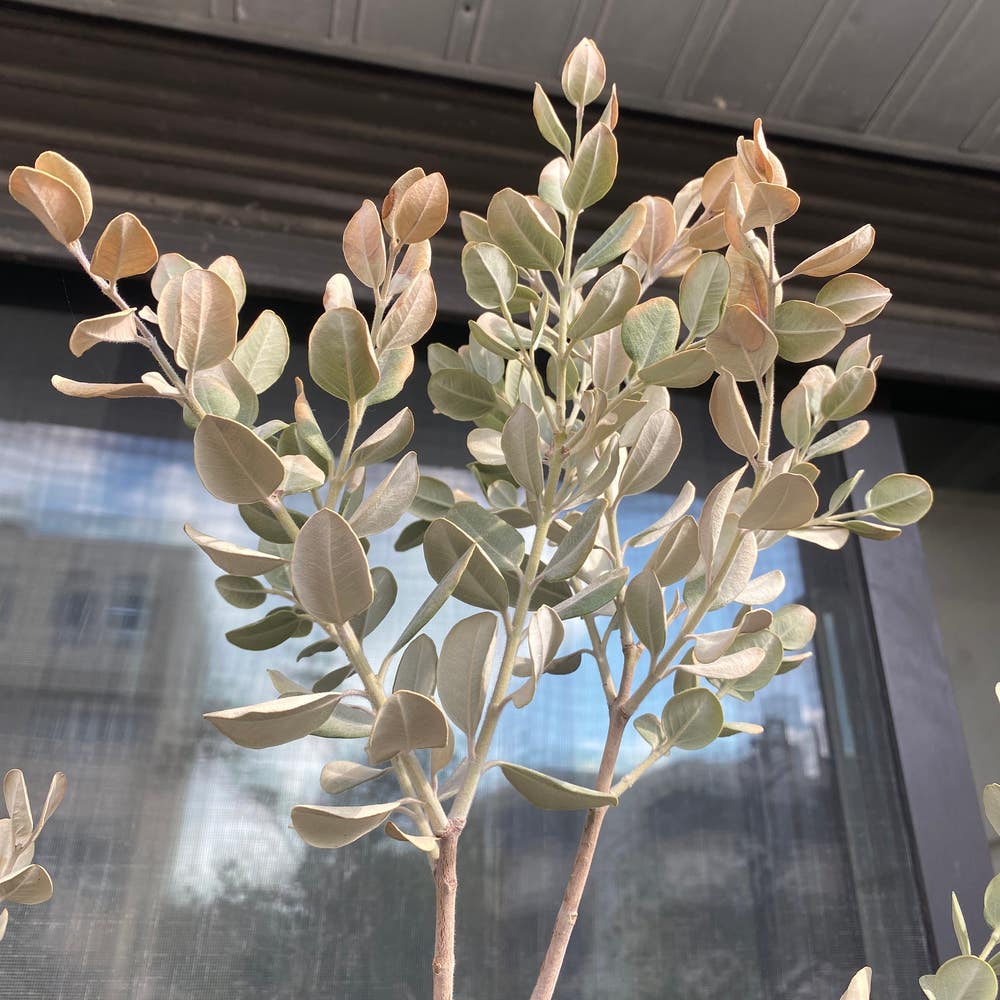
🍃 Best Tips for Dealing with Curling Leaves on Metrosideros
Metrosideros subtomentosa
By the Greg Editorial Team
Nov 08, 2024•6 min read
This article was created with the help of AI so we can cover more plants for you. May contain errors. See one? Report it here.
Revive your Metrosideros and prevent curling leaves 🌱 with these essential care tips for vibrant growth!
- 🌡️ Curling leaves result from environmental stress, like temperature and humidity extremes.
- ☀️ Metrosideros needs 6-8 hours of sunlight daily to prevent leaf curling.
- 🐛 Monitor for pests and diseases regularly to catch issues early and protect leaves.
Causes of Curling Leaves
🌪️ Environmental Stress Factors
Curling leaves on your Metrosideros can often be traced back to environmental stress. Temperature extremes are a primary culprit; these plants thrive in a range of 15°C to 25°C (59°F to 77°F). When temperatures stray too far from this ideal, you may notice symptoms like leaf curling and discoloration.
Humidity levels also play a crucial role. Metrosideros prefers humidity between 40% and 60%. If the air is too dry, you might see curling leaves and browning edges, signaling that your plant is struggling.
Light exposure is another critical factor. These plants require full sun, ideally receiving 6-8 hours of direct sunlight daily. Insufficient light can lead to weak growth and, ultimately, leaf curl.
🥦 Nutrient Deficiencies
Nutrient deficiencies can significantly impact the health of your Metrosideros. A nitrogen deficiency often manifests as yellowing leaves and stunted growth, which can lead to curling and drooping.
Potassium deficiency is another concern. Symptoms include curling and browning leaf edges, indicating that your plant lacks this essential nutrient vital for overall vigor.
🐜 Pest Infestations
Pest infestations can wreak havoc on your Metrosideros. Aphids are a common issue, leaving behind a sticky residue and causing leaves to curl. Their presence weakens the plant and can promote disease.
Spider mites are another pest to watch for. They create fine webbing and cause stippled leaves, leading to curling and discoloration. Both pests can significantly affect your plant's health if not addressed promptly.
🍄 Fungal Infections
Fungal infections can also lead to curling leaves. Powdery mildew is a frequent offender, appearing as white powdery spots on leaves. This condition can cause leaf curling and even lead to leaf drop if left untreated.
Root rot is another serious issue, often resulting from overwatering and poor drainage. Symptoms include wilting and yellowing leaves, which can also contribute to leaf curl. Addressing these fungal issues early is crucial for maintaining plant health.
Understanding these causes is the first step in effectively managing curling leaves on your Metrosideros. Next, we’ll explore how to diagnose these issues accurately.
Diagnosing Curling Leaves
🕵️♂️ Identifying Symptoms
When diagnosing curling leaves on your Metrosideros, start by observing visual signs. Look for changes in leaf shape, such as curling inward or outward, and monitor for color changes like yellowing or browning edges.
Early detection is crucial. Identifying these symptoms promptly can prevent further damage to your plant and help you take action before the situation worsens.
🐛 Differentiating Between Pest and Disease Issues
Next, differentiate between pest and disease-related issues. Pest-related symptoms often include the presence of insects or webbing on the leaves, along with sticky residue that can indicate aphid infestations.
On the other hand, disease-related symptoms may present as fungal growth or discoloration. Assess root health by checking for mushy roots, which can signal root rot or other underlying problems.
🌡️ Assessing Environmental Conditions
Evaluating environmental conditions is essential for diagnosing curling leaves. Use hygrometers and thermometers to check temperature and humidity levels, ensuring they align with the optimal ranges for Metrosideros.
Additionally, assess soil moisture by checking drainage and moisture levels. Well-drained soils are vital for the health of your plant, as poor drainage can lead to root issues and exacerbate leaf curling.
By carefully observing symptoms, distinguishing between pests and diseases, and assessing environmental conditions, you can effectively diagnose the causes of curling leaves on your Metrosideros. This proactive approach sets the stage for implementing effective treatment options.
Treatment Options
🌱 Organic Pest Control Methods
Dealing with pests on your Metrosideros? Start with neem oil. To apply, dilute it with water and spray it directly on the affected areas. Repeat this every 7-14 days until you notice a decline in pest activity.
Another effective option is insecticidal soap. Simply spray it directly on the pests, and watch it work wonders against soft-bodied insects like aphids. This method is not only effective but also environmentally friendly.
💧 Adjusting Watering Practices
Watering practices play a crucial role in plant health. Aim to water your Metrosideros when the top inch of soil feels dry. This helps prevent overwatering, which can lead to root rot.
For optimal soil moisture management, use well-draining soil mixes. Incorporating mulch can also help retain moisture without risking waterlogging, creating a balanced environment for your plant.
🌿 Fertilization Strategies
Fertilization is key to maintaining vibrant foliage. Use balanced NPK fertilizers, such as a 10-10-10 mix, and apply them every 4-6 weeks during the growing season. This will provide your plant with the nutrients it needs to thrive.
Keep an eye on your leaves for signs of improvement after fertilization. Healthy leaves are a good indicator that your fertilization strategy is working effectively.
🦠 Fungicide Application
Identifying fungal infections early is essential for treatment. Watch for symptoms like powdery mildew or root rot, which can severely affect your plant's health.
When it comes to fungicides, you have options. Systemic fungicides work from within the plant, while contact fungicides target surface infections. Always follow the label instructions for safe and effective application.
By implementing these treatment options, you can effectively manage curling leaves on your Metrosideros and promote a healthier, more vibrant plant. Next, let’s explore preventive measures to keep your plant thriving in the long run.
Preventive Measures
Best Practices for Care 🌱
Regular maintenance is key to keeping your Metrosideros healthy. Start by pruning dead or damaged leaves to improve airflow and reduce the risk of disease.
Proper spacing between plants is also essential. This allows for adequate light penetration, which is crucial for robust growth.
Regular Monitoring 🔍
Make it a habit to inspect your plants weekly. Look for any signs of pests or diseases that could lead to curling leaves.
If you spot any issues, act quickly. Early intervention can prevent minor problems from escalating into major headaches.
Optimal Growing Conditions ☀️
Ensure your Metrosideros receives plenty of sunlight. Aim for at least 6-8 hours of direct light each day to promote healthy growth.
Soil and water management are equally important. Maintain well-drained soils and stick to a consistent watering schedule to avoid overwatering.
Seasonal Care Adjustments 🍂
Adapt your care practices as the seasons change. In winter, consider mulching and reducing watering to protect your plants from cold stress.
During the summer, increase your watering frequency and keep a close eye out for pests. Staying proactive will help your plants thrive year-round.
By following these preventive measures, you can significantly reduce the risk of curling leaves on your Metrosideros. Next, let’s explore treatment options to address any issues that may arise.
⚠️ Safety First
This content is for general information and may contain errors, omissions, or outdated details. It is not medical, veterinary advice, or an endorsement of therapeutic claims.
Always consult a qualified healthcare professional before using any plant as food, medicine, or supplement.
Never eat any plant (or feed one to pets) without confirming its identity with at least two trusted sources.
If you suspect poisoning, call Poison Control (800) 222-1222, the Pet Poison Helpline (800) 213-6680, or your local emergency service immediately.
Spotted an error? Please report it here.
Transform your Metrosideros from curling to thriving 🌿 with Greg's tailored care reminders and tips that ensure optimal growing conditions for your plant!