🌳 Ultimate Guide to Root Rot in Metrosideros
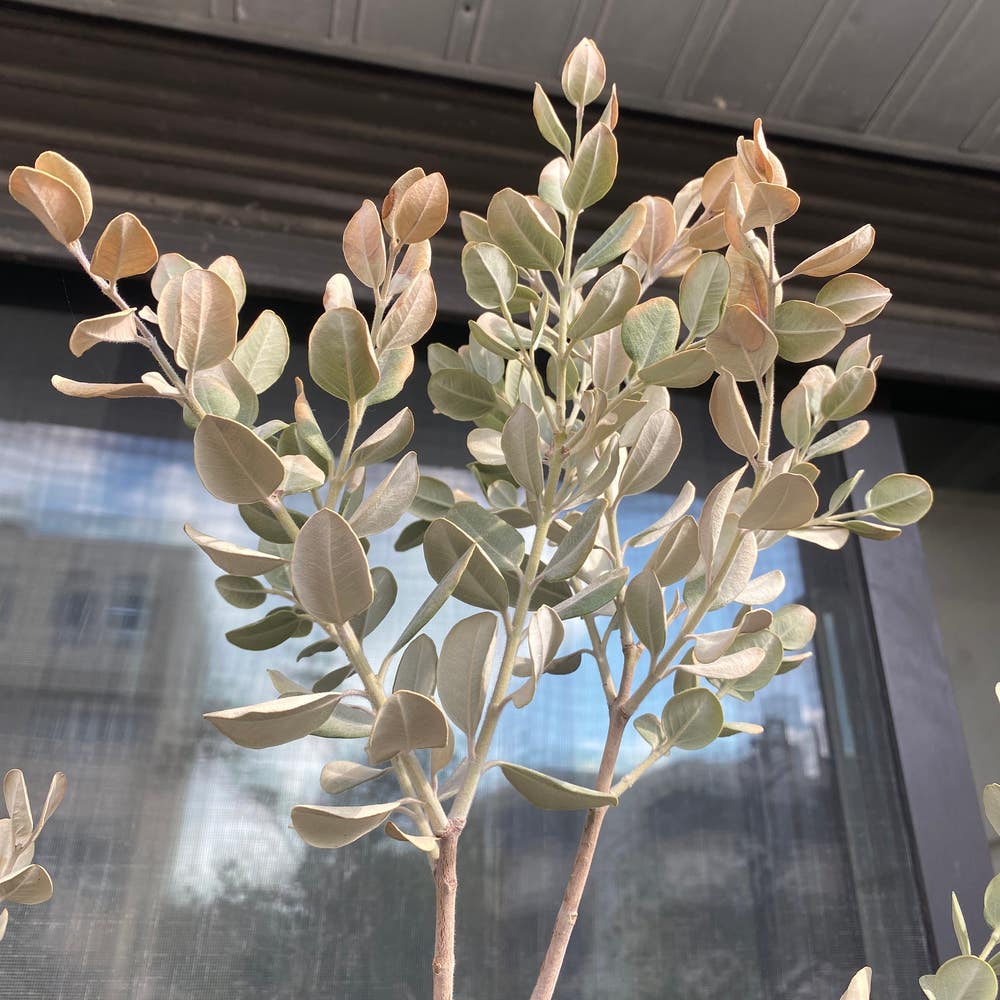
Metrosideros subtomentosa
By the Greg Editorial Team
Nov 08, 2024•6 min read
This article was created with the help of AI so we can cover more plants for you. May contain errors. See one? Report it here.
Safeguard your Metrosideros from root rot with these vital prevention and recovery tips! 🌱🪴
- 💧 Overwatering causes root rot in Metrosideros, leading to oxygen deprivation for roots.
- 🌱 Signs of root rot include yellowing leaves and dark, mushy roots.
- 🏺 Improve drainage with perlite and terracotta pots to prevent root rot.
Causes of Root Rot
💧 Overwatering
Overwatering is one of the primary culprits behind root rot in Metrosideros. When the soil remains excessively moist, it deprives roots of the oxygen they need, leading to decay.
Signs of overwatering include yellowing leaves and wilting, which may seem counterintuitive. If you notice these symptoms, it’s crucial to check the soil moisture levels immediately.
🕳️ Poor Soil Drainage
Well-draining soil is essential for preventing waterlogging, which can suffocate roots. Without proper drainage, excess water accumulates, creating an environment ripe for root rot.
Common soil types that contribute to drainage issues include heavy clay and compacted soils. These types retain moisture, making it difficult for roots to thrive.
🌧️ Environmental Factors
High humidity levels can exacerbate root rot development by creating a damp environment that encourages fungal growth. If your Metrosideros is in a humid area, be vigilant about monitoring moisture levels.
Temperature fluctuations also play a significant role in root health. Sudden changes can stress the plant, making it more susceptible to infections that lead to root rot.
Understanding these causes can help you take proactive steps to protect your Metrosideros from root rot. Next, we’ll explore how to identify the symptoms of this common issue.
Identifying Symptoms
👀 Visual Signs
One of the first indicators of root rot in Metrosideros is yellowing leaves. This often accompanies wilting, signaling that the plant is struggling to absorb water and nutrients effectively.
Upon closer inspection, you may find dark, mushy roots. This is a clear sign that the roots are decaying, which can severely impact the plant's overall health.
🔍 Root Inspection Techniques
To assess root health, carefully remove the plant from its pot. Gently loosen the soil around the roots to avoid causing further damage.
When inspecting the roots, look for healthy, firm roots that are white or light tan. In contrast, rotting roots will appear dark, slimy, and may have a foul odor.
⚠️ Distinguishing from Other Issues
It's crucial to differentiate root rot symptoms from those of nutrient deficiencies or pest infestations. For instance, yellowing leaves can also indicate a lack of nitrogen or an insect problem.
Accurate diagnosis is key to effective treatment. Misidentifying the issue can lead to ineffective remedies and further harm to your Metrosideros.
Understanding these symptoms will empower you to take action swiftly, ensuring your plant has the best chance of recovery. Next, we’ll explore how to prevent root rot from occurring in the first place.
Preventing Root Rot
🌱 Soil Drainage
To prevent root rot in Metrosideros, proper soil drainage is crucial. Consider adding amendments like perlite or coarse sand to your potting mix to enhance drainage and prevent waterlogging.
The ideal soil for Metrosideros should be light and well-aerated. A mix that includes organic matter, such as compost, can provide nutrients while still allowing excess water to escape.
💧 Watering Practices
Understanding the watering needs of your Metrosideros is essential for prevention. Water the plant only when the top inch of soil feels dry to the touch, ensuring you don’t drown the roots.
Environmental conditions play a significant role in watering frequency. In warmer months, you may need to water more often, while cooler seasons require less frequent watering.
🪴 Choosing Pot and Soil Mix
Selecting the right pot can make a big difference in drainage. Terracotta pots are excellent for promoting airflow and moisture evaporation, while plastic pots may retain more water.
For the best soil mix, aim for a ratio of 2 parts potting soil, 1 part perlite, and 1 part compost. This combination ensures optimal drainage and aeration, keeping your Metrosideros healthy and thriving.
By implementing these preventive measures, you can significantly reduce the risk of root rot and support the overall health of your plant. Next, let’s explore how to identify symptoms of root rot early on.
Treating Root Rot
🩺 Treatment Process
Treating root rot requires a careful approach to ensure your Metrosideros can recover. Start by assessing the extent of root rot damage; look for dark, mushy roots and overall plant health.
Next, gently remove the plant from its pot. Clean the roots by rinsing them under lukewarm water to remove any soil and debris.
Once the roots are clean, trim away any affected areas using sterilized tools. This step is crucial to prevent the spread of rot to healthy roots.
Finally, repot your plant in fresh, well-draining soil. This new environment will help promote recovery and prevent future issues.
🧪 Recommended Remedies
After addressing the physical damage, consider using fungicides to treat any lingering fungal infections. Look for products specifically designed for root rot, as they can effectively combat the pathogens causing the problem.
For a more natural approach, remedies like cinnamon and neem oil can be beneficial. Cinnamon acts as a natural fungicide, while neem oil helps deter pests and fungal growth. Apply these remedies according to the instructions for best results.
🌱 Post-Treatment Care
Post-treatment care is vital for your plant's recovery. Adjust your watering practices to avoid overwatering, which can lead to further issues. Monitor the soil moisture closely and only water when necessary.
Keep an eye out for signs of recovery, such as new growth or healthier roots. Regular checks will help you catch any potential problems early, ensuring your Metrosideros thrives once again.
With proper treatment and care, your plant can bounce back from root rot and continue to flourish. Transitioning to the next section, let's explore how to monitor your plant's health effectively.
Monitoring Health
Regular Checks 🌿
Regular inspections of your Metrosideros are crucial for early detection of root rot. Aim to check your plant every couple of weeks, looking for signs like yellowing leaves or wilting.
Early detection can save your plant from severe damage. The sooner you spot issues, the easier it is to implement corrective measures.
Maintaining Conditions ☀️
Creating the right environment is key to preventing root rot. Metrosideros thrive in bright, indirect light, with temperatures ideally between 65°F and 75°F.
Humidity levels should be moderate, as excessive moisture can lead to fungal growth. Adjust your care routine with the seasons to ensure your plant remains healthy and vibrant.
Adjusting Care 🍂
As the seasons change, so should your watering and feeding schedules. In warmer months, your Metrosideros may require more frequent watering, while in cooler months, you can reduce the frequency.
Be mindful of seasonal stressors, such as temperature fluctuations and humidity changes. Recognizing these factors will help you maintain optimal root health and overall plant vitality.
⚠️ Safety First
This content is for general information and may contain errors, omissions, or outdated details. It is not medical, veterinary advice, or an endorsement of therapeutic claims.
Always consult a qualified healthcare professional before using any plant as food, medicine, or supplement.
Never eat any plant (or feed one to pets) without confirming its identity with at least two trusted sources.
If you suspect poisoning, call Poison Control (800) 222-1222, the Pet Poison Helpline (800) 213-6680, or your local emergency service immediately.
Spotted an error? Please report it here.
Keep your Metrosideros thriving 🌱 by mastering watering and drainage with Greg's tailored reminders and expert advice to prevent root rot and ensure vibrant growth!