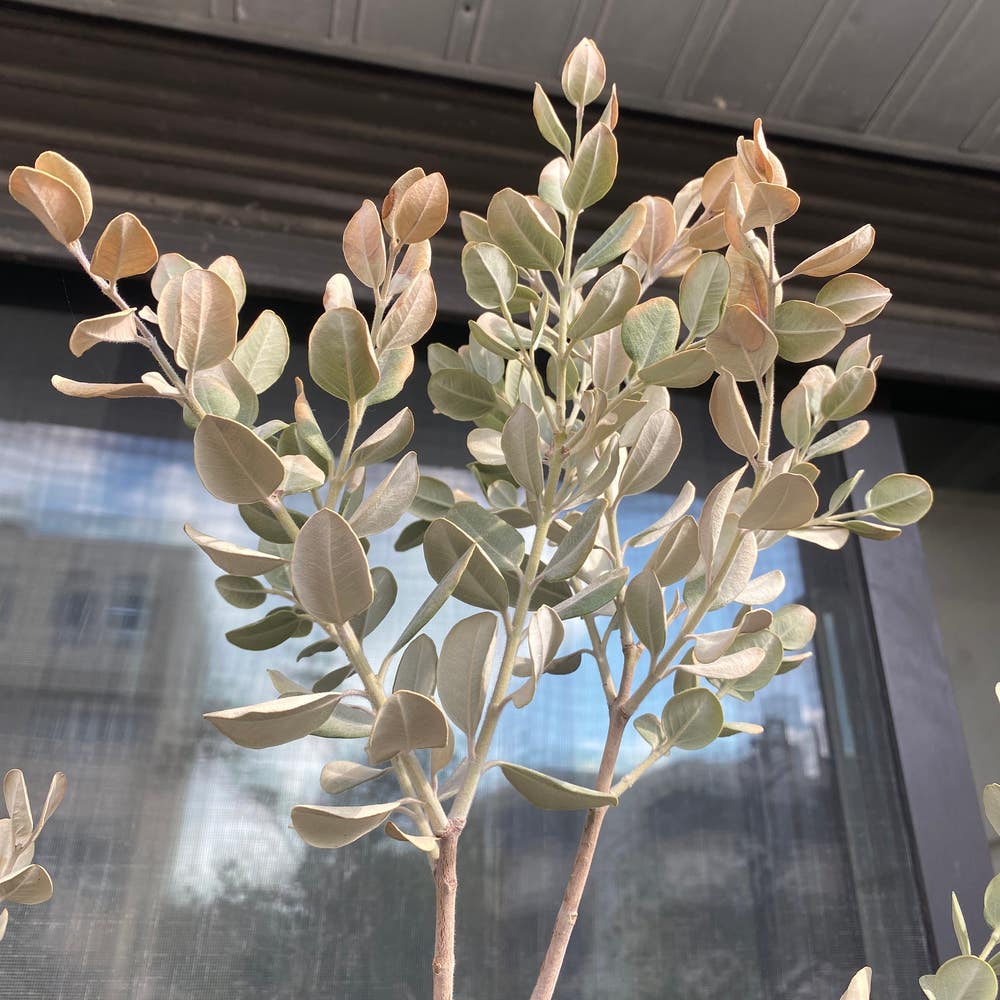
🌺 Why Your Metrosideros Leaves Are Falling Over
Metrosideros subtomentosa
By the Greg Editorial Team
Nov 08, 2024•6 min read
This article was created with the help of AI so we can cover more plants for you. May contain errors. See one? Report it here.
Unlock your Metrosideros's full potential 🌱 with essential care tips for vibrant health and growth!
- 🌱 Monitor soil moisture to prevent leaf drop in your Metrosideros.
- 🌞 Ensure 6+ hours of sunlight daily for optimal growth and health.
- 🐛 Check for pests regularly to protect your plant from damage.
Diagnosing the Problem
🌱 Assessing Soil Moisture Levels
Understanding soil moisture is crucial for the health of your Metrosideros. Here are two effective techniques to check moisture levels.
Finger Test
The finger test is a straightforward method. Simply insert your finger into the soil about an inch deep; if it feels dry, it's time to water.
Soil Moisture Meter
For a more precise approach, consider using a soil moisture meter. This handy tool provides accurate readings, helping you avoid guesswork.
🚰 Signs of Overwatering vs. Underwatering
Recognizing the signs of overwatering and underwatering can save your plant from distress.
Symptoms of Root Rot
Overwatering often leads to root rot, characterized by soft, dark roots and leaf drop. If you notice these symptoms, it’s essential to adjust your watering habits immediately.
Symptoms of Dehydration
On the flip side, underwatering results in crispy, dry leaves. If your Metrosideros shows these signs, it’s time to increase your watering frequency.
🐛 Checking for Pests and Diseases
Pests and diseases can significantly impact your Metrosideros. Regular checks can help you catch issues early.
Common Pests Affecting Metrosideros
Aphids are a common pest that can cause significant damage. Look for sticky residue and curled leaves as signs of infestation.
Scale Insects
Scale insects can also affect leaf health. They appear as small, brown bumps on stems and leaves, sucking sap and weakening the plant.
🍂 Diseases That Cause Leaf Drop
Fungal and bacterial infections are the main culprits behind leaf drop.
Fungal Infections
Root rot and leaf spot diseases are common fungal issues. These can lead to wilting and discoloration, so prompt treatment is essential.
Bacterial Infections
Bacterial infections often manifest as dark spots on leaves. If you notice these symptoms, consider appropriate treatment options to protect your plant.
☀️ Evaluating Light Conditions and Temperature
Light and temperature play vital roles in the health of your Metrosideros. Assessing these factors can help you create an optimal environment.
Assessing Light Exposure
Measuring sunlight hours is key to ensuring your plant thrives. Ideally, Metrosideros needs full sun for at least six hours daily.
Signs of Too Much or Too Little Light
Watch for leaf curling or fading color, which can indicate improper light exposure. Adjusting the plant's location may be necessary.
🌡️ Temperature Fluctuations
Temperature changes can stress your Metrosideros.
Monitoring Local Climate
Keep an eye on seasonal changes in your area. Sudden temperature drops or spikes can affect your plant's health.
Protecting Metrosideros from Extreme Temperatures
Implement strategies such as providing shade during intense heat or wrapping the plant during cold snaps. These measures can help maintain stability in your plant's environment.
By diagnosing these issues effectively, you can take the necessary steps to ensure your Metrosideros remains healthy and vibrant. Next, let’s explore preventive measures to keep your plant thriving.
Preventive Measures
💧 Proper Watering Techniques
Establishing a consistent watering schedule is crucial for the health of your Metrosideros. Aim to water deeply but infrequently, allowing the soil to dry out between waterings to prevent root rot.
To avoid overwatering, choose appropriate containers for potted plants that have drainage holes. In garden beds, ensure the soil drains well to keep roots healthy and thriving.
🌱 Soil Amendments and Fertilization
Incorporating organic matter, such as compost and mulch, can significantly enhance soil quality. These amendments improve drainage and provide essential nutrients for your Metrosideros.
Maintaining optimal pH levels is also vital. Regularly check soil pH and adjust as needed to create the best environment for growth.
When it comes to fertilization, consider using balanced NPK fertilizers or slow-release options. Timing is key; fertilize during the growing season for the best results.
🐛 Treatment Options
Remedies for Pest Infestations
For organic pest control, neem oil is a popular choice. Apply it carefully to ensure effectiveness while minimizing harm to beneficial insects.
Insecticidal soap is another safe option for treating pests on Metrosideros. Use it according to the instructions to avoid damaging the plant.
If infestations persist, chemical treatments may be necessary. Choose pesticides that target specific pests and always follow safety precautions during application.
Solutions for Nutrient Deficiencies
Identifying nutrient needs starts with soil testing. Understanding nutrient levels helps you recognize symptoms of deficiencies, such as yellowing leaves or stunted growth.
To correct deficiencies, apply fertilizers at the recommended dosage and timing. Foliar feeding can also be beneficial, allowing for quick absorption of nutrients directly through the leaves.
🍂 Adjusting Care Practices Based on Seasonal Changes
Seasonal adjustments are essential for maintaining a healthy Metrosideros. In spring, focus on preparing the plant for growth and flowering, while in fall, get ready for dormancy and leaf drop.
Stay attuned to environmental changes. Adapting care practices to local climate variations can help you recognize signs of seasonal stress in your plant, ensuring it remains vibrant year-round.
With these preventive measures in place, your Metrosideros will be well-equipped to thrive, setting the stage for effective monitoring and maintenance.
Monitoring and Maintenance
🌿 Regular Inspection of Leaves and Branches
Regular inspections are crucial for the health of your Metrosideros. Aim for weekly checks to catch any issues early, ensuring your plant remains vibrant and thriving.
Look for signs of pests, diseases, and stress indicators. Yellowing leaves, unusual spots, or webbing can signal problems that need immediate attention.
📖 Documenting Changes
Keeping a care journal can be a game changer. Documenting your plant's health over time helps you track progress and identify patterns.
Note seasonal variations as they occur. This practice not only enhances your understanding of your plant's needs but also prepares you for future care adjustments.
🌱 Long-Term Health Strategies for Metrosideros
Establishing a consistent care routine is key to long-term health. Regular watering, appropriate fertilization, and timely pruning contribute to a thriving Metrosideros.
Monitor your plant's condition over time. This ongoing observation allows you to adapt your care practices as needed, ensuring sustained growth and vitality.
🤝 Community Resources and Support
Engaging with local gardening groups can provide invaluable support. Sharing knowledge and experiences with fellow gardeners enriches your understanding and helps you tackle common challenges.
Online forums are another excellent resource. They offer a platform to find solutions, ask questions, and connect with a community passionate about plant care.
By implementing these monitoring and maintenance strategies, you can ensure your Metrosideros remains healthy and vibrant throughout the seasons. Next, let’s explore preventive measures that can further enhance your plant's resilience.
⚠️ Safety First
This content is for general information and may contain errors, omissions, or outdated details. It is not medical, veterinary advice, or an endorsement of therapeutic claims.
Always consult a qualified healthcare professional before using any plant as food, medicine, or supplement.
Never eat any plant (or feed one to pets) without confirming its identity with at least two trusted sources.
If you suspect poisoning, call Poison Control (800) 222-1222, the Pet Poison Helpline (800) 213-6680, or your local emergency service immediately.
Spotted an error? Please report it here.
Keep your Metrosideros thriving 🌿 by using Greg for personalized care reminders and tips that ensure your plant gets the right watering and attention it needs!