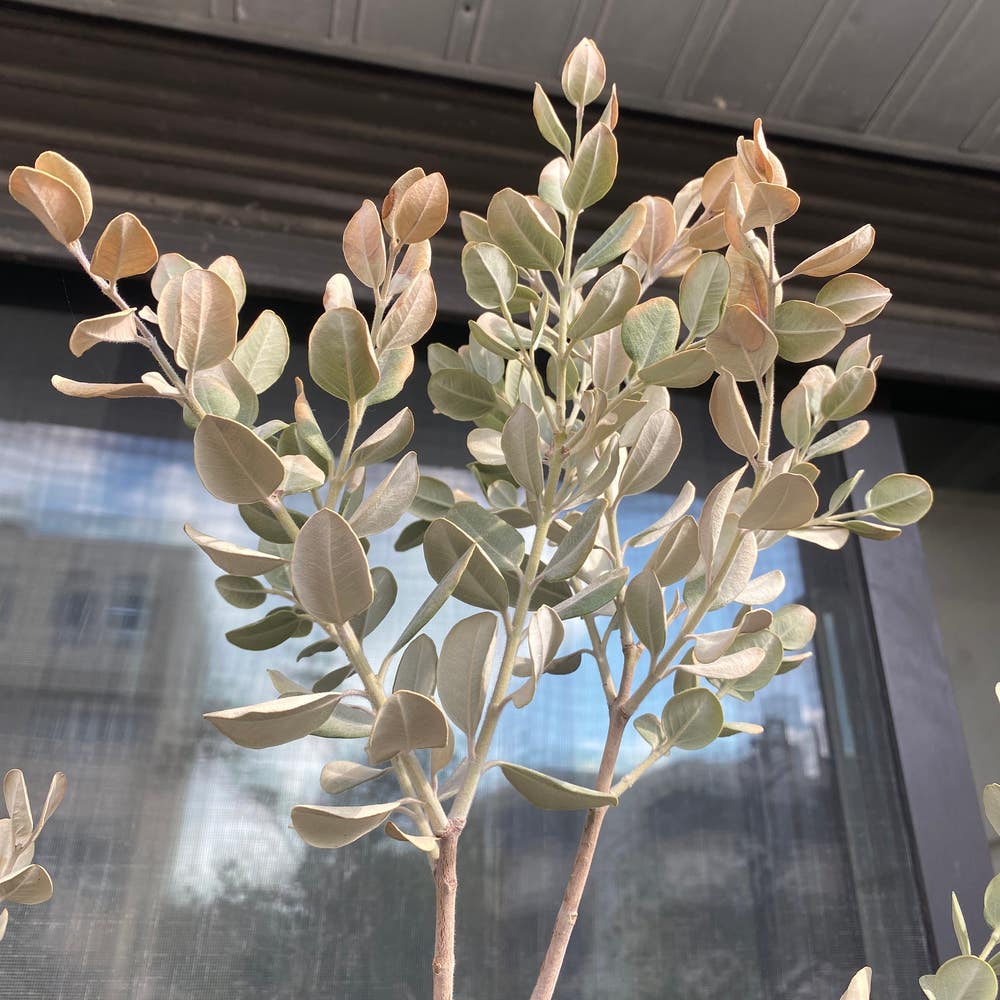
☀️ How to Cure Yellow Leaves on Your Metrosideros
Metrosideros subtomentosa
By the Greg Editorial Team
Nov 08, 2024•7 min read
This article was created with the help of AI so we can cover more plants for you. May contain errors. See one? Report it here.
Revive your yellowing Metrosideros 🌿 with these essential care tips for a vibrant, healthy plant!
- 🌱 Yellow leaves indicate nutrient deficiencies, especially nitrogen and iron.
- 💧 Overwatering and underwatering both cause yellowing; maintain a consistent watering routine.
- 🐛 Pests like aphids can lead to yellow leaves; inspect regularly for infestations.
Causes of Yellow Leaves
🌱 Nutrient Deficiencies
Nutrient deficiencies are a common culprit behind yellowing leaves on your Metrosideros.
Nitrogen Deficiency
A nitrogen deficiency typically manifests as a general yellowing of older leaves. This condition can significantly reduce the plant's growth and vigor, making it crucial to address promptly.
Iron Deficiency
Iron deficiency presents differently, with yellowing occurring between the leaf veins while the veins themselves remain green. This imbalance hampers photosynthesis, leading to stunted growth.
Other Nutrient Deficiencies
Potassium and magnesium deficiencies can also cause yellowing. Potassium deficiency often results in browning leaf edges, while magnesium deficiency leads to interveinal chlorosis, where the leaf turns yellow between the veins.
💧 Overwatering and Poor Drainage
Overwatering is another major factor contributing to yellow leaves.
Signs of Overwatering
Look for yellowing leaves, wilting, and root rot as key indicators of overwatering. These symptoms signal that your plant is struggling to breathe.
Importance of Soil Drainage
Metrosideros thrives in well-draining, sandy loam soil. Proper drainage is essential to prevent water from pooling around the roots, which can lead to serious health issues.
Solutions for Improving Drainage
To enhance drainage, consider incorporating soil amendments like perlite or sand. These materials help aerate the soil, allowing excess water to escape.
🚰 Underwatering and Drought Stress
On the flip side, underwatering can also lead to yellow leaves.
Symptoms of Underwatering
Signs of underwatering include yellowing leaves, leaf drop, and crispy edges. These symptoms indicate that your plant is not receiving enough moisture.
Importance of Consistent Watering
Establishing a consistent watering routine is vital, especially during dry periods. Aim to water your Metrosideros weekly to keep it healthy and hydrated.
🐛 Pests and Diseases
Pests and diseases can wreak havoc on your Metrosideros, leading to yellow leaves.
Common Pests Affecting Metrosideros
Aphids are a common pest that can cause significant damage. Look for signs of infestation, such as curled leaves or sticky residue.
Root Rot
Root rot, often a consequence of overwatering, can also lead to yellowing leaves. Recognizing the symptoms early can help you take action before it’s too late.
Disease Prevention Strategies
Maintaining overall plant health is key to preventing diseases. Regular inspections and prompt treatment of any issues can keep your Metrosideros thriving.
Understanding these causes is the first step in addressing yellow leaves effectively. Next, we’ll explore how to diagnose the specific issues affecting your plant.
Diagnosing Yellow Leaves
🧪 Soil Testing for Nutrient Levels
To effectively diagnose yellow leaves on your Metrosideros, start with soil testing. Utilize pH testing and nutrient analysis to identify any deficiencies.
Understanding the results is crucial. For instance, a low nitrogen level may indicate the need for a nitrogen-rich fertilizer to restore plant health.
💧 Assessing Watering Practices
Next, evaluate your current watering schedule. Look for signs of overwatering, like yellowing leaves and wilting, versus underwatering, which may present as crispy leaf edges.
Adjust your watering based on the plant's needs. During dry spells, aim for consistent weekly watering to keep your Metrosideros thriving.
🐛 Identifying Pest Infestations
Pests can also contribute to yellow leaves, so inspect your plant regularly. Common pests like aphids leave visible signs, such as distorted leaves or sticky residue.
To check for infestations, examine the undersides of leaves and stems. Early detection can prevent further damage and help maintain your plant's health.
By diagnosing these issues, you can take proactive steps to restore your Metrosideros to its vibrant self. Next, let’s explore effective treatments for yellow leaves.
Treating Yellow Leaves
🌊 Adjusting Watering Techniques
Proper watering is crucial for the health of your Metrosideros. Aim to water based on soil moisture; the top inch of soil should be dry before you water again.
To check soil moisture, use your finger or a moisture meter. This simple technique helps prevent both overwatering and underwatering, ensuring your plant thrives.
🌱 Fertilization Strategies
Choosing the right fertilizer can make a significant difference. Balanced NPK fertilizers and slow-release options are ideal for Metrosideros, providing essential nutrients over time.
Timing is key when it comes to fertilization. The best times to fertilize are during the growing season, typically in spring and early summer, to support optimal growth.
🐛 Pest Control Methods
Pests can wreak havoc on your Metrosideros, so proactive measures are essential. Organic options like neem oil and insecticidal soap are effective and environmentally friendly.
If infestations persist, consider chemical treatments. Always follow safety precautions and guidelines to protect both your plant and the surrounding environment.
🌿 Soil Amendments for Drainage and Nutrients
Improving soil quality can enhance your plant's health. Recommended amendments include perlite, compost, and organic matter, which boost drainage and nutrient levels.
Apply these amendments during the growing season for the best results. Mixing them into the soil helps create a thriving environment for your Metrosideros.
By addressing watering, fertilization, pest control, and soil quality, you can effectively treat yellow leaves and promote a healthier plant. Next, let’s explore how to prevent yellow leaves from becoming a recurring issue.
Preventing Yellow Leaves
💧 Best Practices for Watering
Establishing a consistent watering routine is crucial for the health of your Metrosideros. Aim to water deeply but infrequently, allowing the top inch of soil to dry out between sessions.
Adjust your watering schedule based on seasonal changes. During hot, dry spells, your plant may need more frequent watering, while cooler months may require less.
🧪 Regular Soil Testing and Amendments
Soil testing is essential for maintaining nutrient levels. Test your soil every 6 to 12 months to ensure it meets the needs of your Metrosideros.
Based on the results, amend your soil accordingly. Adding organic matter or specific nutrients can help correct deficiencies and promote healthy growth.
✂️ Proper Pruning Techniques
Pruning is vital for the overall health of your plant. Regularly remove dead or damaged branches to encourage new growth and improve air circulation.
Look for signs that pruning is needed, such as excessive leaf drop or crowded branches. Proper timing and techniques can significantly enhance your plant's vitality.
🌦️ Seasonal Care Tips
Adjust your care routine with the seasons to keep your Metrosideros thriving. In winter, protect your plant from frost by covering it or moving it to a sheltered location.
During summer, ensure your plant has adequate water and shade during the hottest parts of the day. These seasonal adjustments can make a big difference in preventing yellow leaves.
By following these preventive measures, you can help your Metrosideros maintain its vibrant green leaves and overall health. Next, we will explore how to monitor your plant's health effectively.
Monitoring Plant Health
🌱 Signs of Recovery from Yellowing
When your Metrosideros begins to recover from yellowing leaves, you'll notice new growth emerging. This fresh foliage, along with a return of vibrant leaf color, indicates that your plant is on the mend.
Patience is key during this process. Regular observation will help you track improvements and ensure your care strategies are effective.
📅 Regular Maintenance Schedule
Establishing a regular maintenance schedule is crucial for the health of your Metrosideros. Key tasks include consistent watering, timely fertilization, and routine pest inspections.
Creating a calendar can help you stay organized and ensure that your plant receives the care it needs throughout the year.
👀 Importance of Observation and Record Keeping
Keeping a close eye on your plant's health is essential. Documenting changes in leaf color and overall vitality allows you to identify patterns and adjust your care practices accordingly.
Maintaining records of your care routines and the plant's responses can lead to better outcomes and a deeper understanding of your Metrosideros' needs.
With these monitoring strategies in place, you'll be well-equipped to nurture your plant back to health and prevent future issues.
⚠️ Safety First
This content is for general information and may contain errors, omissions, or outdated details. It is not medical, veterinary advice, or an endorsement of therapeutic claims.
Always consult a qualified healthcare professional before using any plant as food, medicine, or supplement.
Never eat any plant (or feed one to pets) without confirming its identity with at least two trusted sources.
If you suspect poisoning, call Poison Control (800) 222-1222, the Pet Poison Helpline (800) 213-6680, or your local emergency service immediately.
Spotted an error? Please report it here.
Revive your Metrosideros and breathe life back into those yellow leaves 🌱 with Greg's tailored care reminders and soil testing features that ensure your plant gets exactly what it needs to thrive!