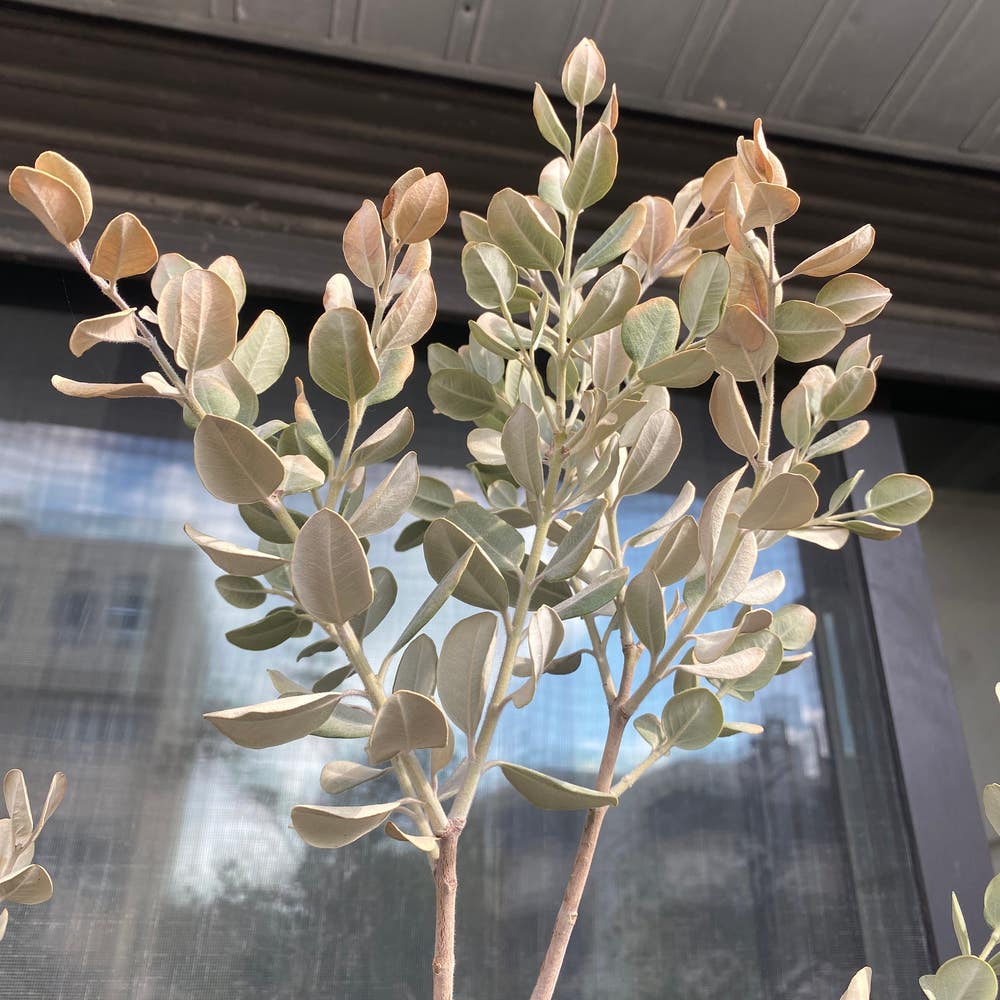
Ultimate Guide to What's Eating Your Metrosideros 🐛
Metrosideros subtomentosa
By the Greg Editorial Team
Nov 08, 2024•3 min read
This article was created with the help of AI so we can cover more plants for you. May contain errors. See one? Report it here.
Safeguard your Metrosideros from pests while attracting helpful wildlife for a flourishing garden! 🌱
- 🦌 Deer, rabbits, and squirrels are major threats to Metrosideros health.
- 🌼 Beneficial animals like bees enhance pollination and seed dispersal for Metrosideros.
- 🚫 Prevent damage with fencing, repellents, and regular monitoring of your plants.
Animal Interactions with Metrosideros
🐾 Signs of Presence and Damage
Deer
Deer can be a significant threat to your Metrosideros. Look for distinctive hoof prints, ragged edges on leaves, and stripped branches as signs of their presence.
Their interaction is generally harmful, especially to young plants and saplings. To deter deer, consider using commercial repellents containing putrescent egg solids or plant strong-smelling herbs like lavender around your Metrosideros.
Rabbits
Rabbits leave small, round droppings and clean gnaw marks on stems and leaves. These signs indicate their presence and can lead to severe damage to young plants.
To keep rabbits at bay, use bitter-tasting sprays or install fencing made of chicken wire at least 2 feet high.
Squirrels
Squirrels can also wreak havoc on your plants. Look for gnawed bark, missing buds, and signs of nests in nearby trees to identify their activity.
Their interaction is generally harmful, damaging young shoots and flowers. Capsaicin-based sprays can deter squirrels, or you can install squirrel-proof feeders to keep them occupied elsewhere.
Birds
Birds present a mixed bag of interactions. You might notice pecking marks on fruits and flowers or nesting in the foliage.
While some birds are beneficial pollinators, others can damage fruits. Non-toxic bird repellents and scare tactics like reflective tape or wind chimes can help manage their presence.
Rodents (Mice, Voles, etc.)
Rodents can cause significant damage to your Metrosideros. Signs include small burrows and gnaw marks on roots and lower stems.
Their interaction is generally harmful, leading to root damage. For deterrence, consider using rodent bait stations or planting mint and using essential oils to repel them.
Groundhogs/Woodchucks
Groundhogs, or woodchucks, can be particularly destructive. Look for large burrows and significant damage to lower branches as indicators of their presence.
Their interaction is harmful, often stripping young plants completely. To deter them, use commercial repellents with predator urine or install fencing with buried wire mesh.
🦋 Beneficial Animals and Their Role
Description of Beneficial Animals
Not all animal interactions are negative. Pollinators like bees and butterflies play a crucial role in flower fertilization.
Additionally, birds act as seed dispersers, contributing to the propagation of your Metrosideros. These beneficial animals enhance biodiversity and promote natural pest control.
🛡️ General Strategies for Protection
Preventive Measures
To protect your plants, consider preventive measures like fencing to deter larger herbivores. Companion planting can also be effective, using plants that repel herbivores or attract beneficial insects.
Reactive Solutions
Regular monitoring for signs of damage is essential. If you notice issues, humane trapping and relocating problematic animals can be a viable solution.
Seasonal Variations
Be aware of seasonal variations in animal activity. In spring, herbivores are more active due to new growth, while in fall, they forage for food, particularly fruits and seeds.
⚠️ Toxicity and Safety
Toxic Effects on Animals
Some Metrosideros species may contain compounds that deter herbivores. However, these compounds can also pose potential toxicity risks to livestock and pets if consumed in large quantities.
Implications for Garden Safety
Understanding the toxicity of your plants helps manage animal interactions effectively. This knowledge ensures a safer environment for both your garden and the animals that inhabit it.
With these insights, you can better protect your Metrosideros while fostering a healthy ecosystem. Next, we’ll explore the beneficial animals that contribute positively to your garden’s health.
⚠️ Safety First
This content is for general information and may contain errors, omissions, or outdated details. It is not medical, veterinary advice, or an endorsement of therapeutic claims.
Always consult a qualified healthcare professional before using any plant as food, medicine, or supplement.
Never eat any plant (or feed one to pets) without confirming its identity with at least two trusted sources.
If you suspect poisoning, call Poison Control (800) 222-1222, the Pet Poison Helpline (800) 213-6680, or your local emergency service immediately.
Spotted an error? Please report it here.
Protect your Metrosideros from pesky pests and ensure they flourish 🌱 with Greg's tailored care reminders and tips for keeping your garden safe and thriving!