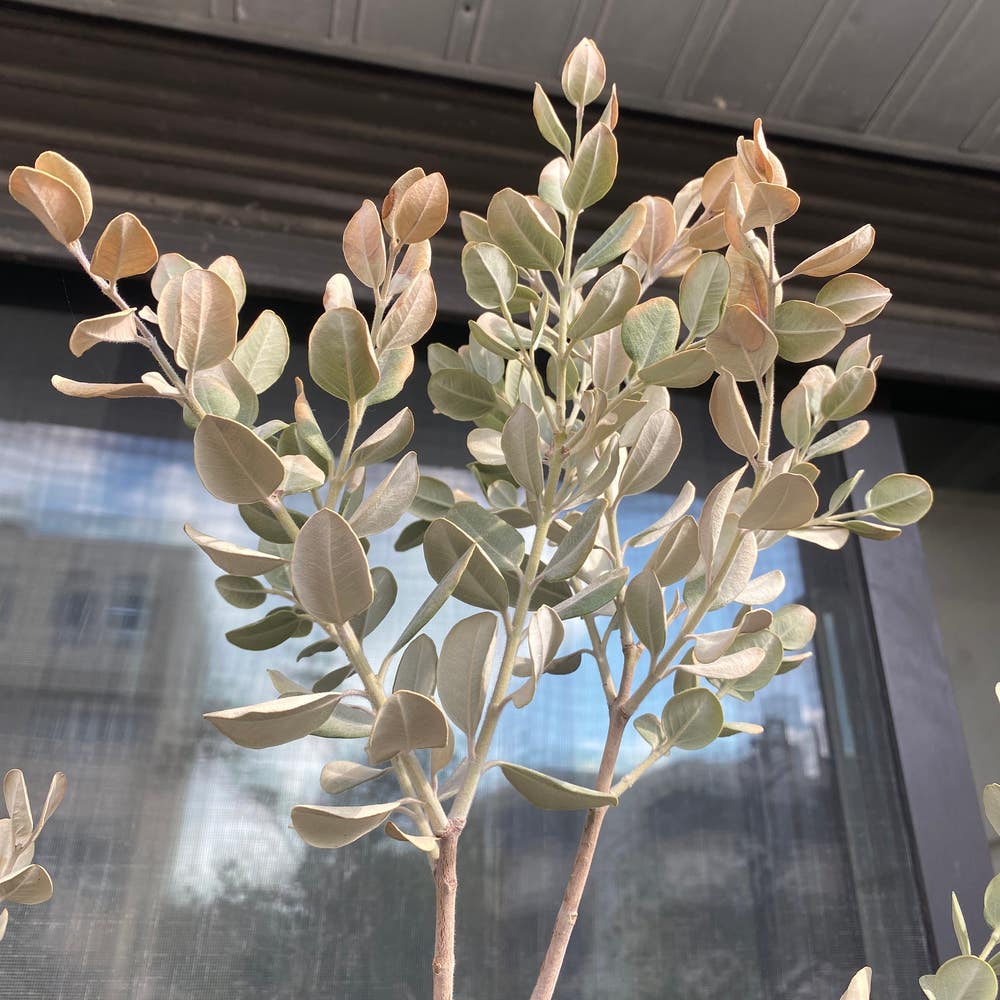
🎄 How Big Metrosideros Grows
Metrosideros subtomentosa
By the Greg Editorial Team
Nov 08, 2024•5 min read
This article was created with the help of AI so we can cover more plants for you. May contain errors. See one? Report it here.
Unlock the secrets to thriving Big Metrosideros trees 🌳 with essential tips for size control and optimal growth conditions!
- 🌳 Big Metrosideros can reach heights of 10 to 30 meters; dwarf varieties stay under 2 meters.
- 🌞 Full sunlight and well-draining soil are essential for optimal growth and health.
- ✂️ Regular pruning helps control size and promotes healthy growth in Metrosideros trees.
Mature Height and Spread
Average Mature Height 🌳
Big Metrosideros trees typically reach impressive heights ranging from 10 to 30 meters (33 to 98 feet). Notable species can soar up to 30 meters, while dwarf varieties generally stay under 2 meters (6.5 feet), making them perfect for smaller spaces.
Average Spread 📏
The average spread of these trees falls between 5 to 15 meters (16 to 49 feet). However, this can vary significantly based on the specific species and the conditions in which they are grown.
Factors Influencing Mature Dimensions 📊
Several factors play a crucial role in determining the mature dimensions of Big Metrosideros.
Soil Type
The type of soil is fundamental; well-draining soils promote healthier growth compared to heavy clay, which can hinder root development.
Moisture Levels
Moisture levels also matter. Trees that experience consistent watering thrive, while those facing drought conditions may struggle to reach their full potential.
Sunlight Exposure
Sunlight exposure is another key factor. Full sun encourages robust growth, whereas partial shade can limit height and spread.
Climate Conditions
Lastly, climate conditions, including temperature and humidity, significantly influence growth. Warmer, more humid environments typically foster faster and larger growth.
Understanding these aspects can help you appreciate the majestic nature of Big Metrosideros and how to cultivate them effectively. Next, we’ll explore their growth rate and what influences it.
Growth Rate
🌱 Typical Growth Rate
Big Metrosideros trees typically exhibit a robust growth rate, averaging between 1 to 2 meters (3 to 6.5 feet) per year under optimal conditions. This impressive growth can vary significantly among different species, with some reaching their full potential much faster than others.
📈 Variability in Growth Rate Based on Conditions
Several factors influence the growth rate of Metrosideros, starting with soil fertility. Nutrient-rich soils can dramatically enhance growth, while poor soils may stunt development.
Water availability also plays a crucial role. Trees experiencing regular irrigation thrive, whereas those in drought conditions often struggle to maintain their growth pace.
Lastly, climate conditions are key. Warmer climates generally promote faster growth, allowing these trees to flourish and reach impressive heights more quickly. Understanding these variables can help you create the ideal environment for your Metrosideros to thrive.
As we delve deeper into the characteristics of Metrosideros, we’ll explore the fascinating size variability among its dwarf and giant varieties.
Size Variability
🌱 Dwarf Varieties
Dwarf varieties of Metrosideros are a fantastic choice for those with limited space. Typically reaching heights of under 2 meters (6.5 feet), they fit perfectly into small gardens and landscaping projects.
These compact trees offer unique features, such as vibrant flowers and dense foliage, making them visually appealing without overwhelming your space. Varieties like Metrosideros excelsa 'Dwarf' are excellent examples, showcasing both beauty and manageability.
🌳 Giant Varieties
On the other end of the spectrum, giant varieties of Metrosideros can soar to impressive heights, often exceeding 30 meters (98 feet). These majestic trees are ideal for large landscapes and parks, providing shade and a stunning focal point.
For instance, Metrosideros robusta is known for its towering stature and robust growth, making it a popular choice for expansive outdoor areas. Their grandeur can transform any landscape into a breathtaking natural setting.
🌍 Environmental Factors Affecting Size Variability
Several environmental factors influence the size variability of Metrosideros. Soil composition plays a crucial role; sandy soils may lead to different growth patterns compared to nutrient-rich loamy soils.
Microclimates also affect growth, with sheltered areas often producing larger specimens than those in exposed locations. Additionally, competition with other plants can limit growth potential, as trees vie for sunlight and nutrients in crowded environments.
Understanding these factors can help you choose the right variety for your space, ensuring that your Metrosideros thrives beautifully.
As we explore how to control the size of these trees, consider how these characteristics can influence your gardening decisions.
Controlling Size
Pruning Techniques 🌳
Pruning is essential for maintaining the desired size of your Metrosideros. It not only shapes the tree but also promotes healthy growth.
Thinning
Thinning involves removing select branches to enhance air circulation. This technique helps prevent disease and encourages a more robust structure.
Topping
Topping is another method where you reduce the height of the tree. This promotes bushier growth, making the tree more manageable and visually appealing.
Other Methods to Manage Growth and Size 📏
In addition to pruning, there are other effective methods to control the size of your Metrosideros.
Growth Regulators
Using growth regulators can be a practical approach for size control. These chemical options help slow down growth, allowing for easier maintenance.
Strategic Planting Location
Choosing the right planting location is crucial. By strategically placing your tree, you can limit its growth space and keep it within desired dimensions.
Timing and Frequency of Pruning ⏰
Timing your pruning efforts is key to effective size control.
Best Times to Prune
The best times to prune your Metrosideros are late winter to early spring. This timing ensures minimal stress on the tree and promotes healthy regrowth.
Frequency Recommendations
Annual pruning is recommended for maintenance. Regular attention keeps your tree in check and encourages optimal growth patterns.
Signs to Prune
Look for signs that indicate when to prune for size control. If the tree appears overcrowded or starts encroaching on nearby plants, it’s time to take action.
By implementing these techniques and strategies, you can effectively manage the size of your Metrosideros, ensuring it thrives in your landscape while fitting your aesthetic vision. Next, let’s explore the fascinating variability in size among different Metrosideros species.
⚠️ Safety First
This content is for general information and may contain errors, omissions, or outdated details. It is not medical, veterinary advice, or an endorsement of therapeutic claims.
Always consult a qualified healthcare professional before using any plant as food, medicine, or supplement.
Never eat any plant (or feed one to pets) without confirming its identity with at least two trusted sources.
If you suspect poisoning, call Poison Control (800) 222-1222, the Pet Poison Helpline (800) 213-6680, or your local emergency service immediately.
Spotted an error? Please report it here.
Nurturing Big Metrosideros trees can transform your garden into a lush paradise 🌿, and with Greg's tailored care plans and reminders, you’ll ensure they thrive beautifully in their ideal conditions!