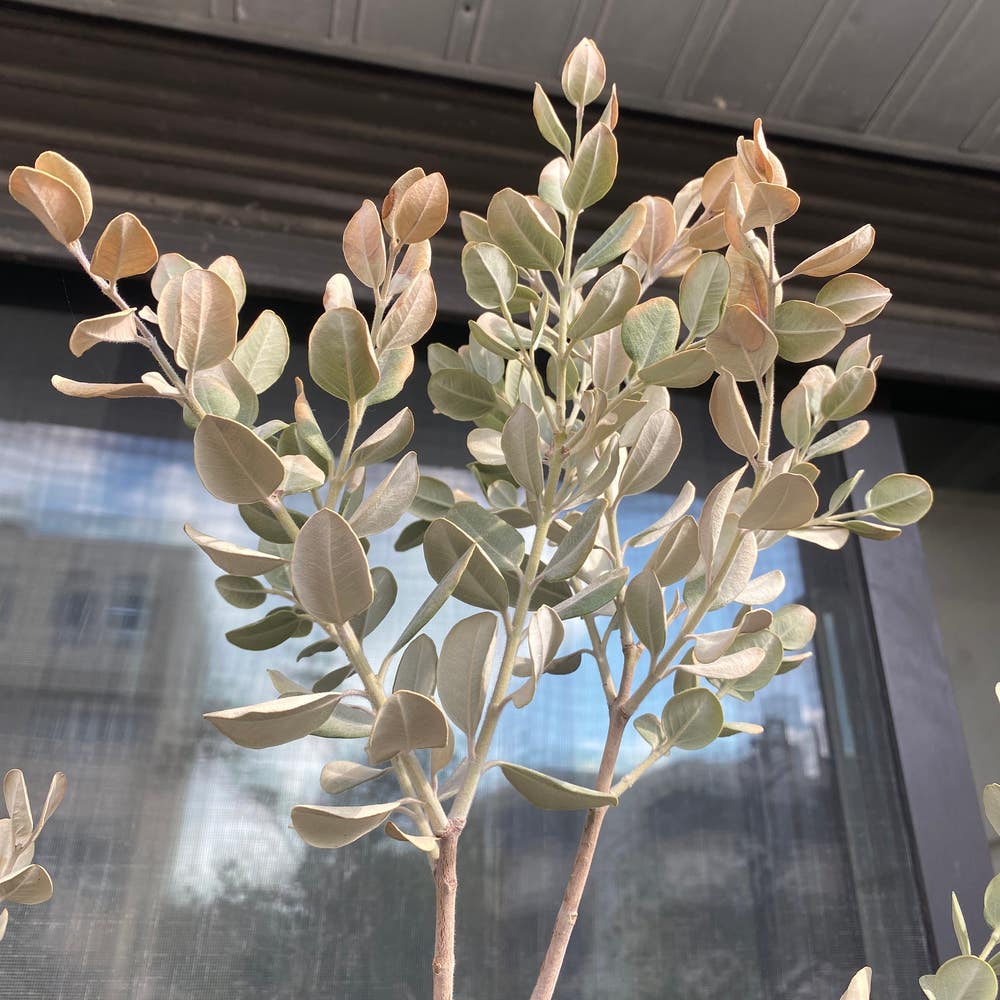
🌡 Ultimate Guide to Temperature for Metrosideros
Metrosideros subtomentosa
By the Greg Editorial Team
Nov 08, 2024•4 min read
This article was created with the help of AI so we can cover more plants for you. May contain errors. See one? Report it here.
Unlock vibrant blooms for your Metrosideros 🌱 by mastering its temperature needs for optimal growth!
- 🌡️ Metrosideros thrives between 60°F to 85°F for optimal growth and flowering.
- ❄️🔥 Temperature fluctuations cause stress; maintain consistency for healthy plants.
- 🌬️ Protect from extremes using windbreaks and microclimates for better resilience.
Temperature Requirements for Metrosideros
Ideal Temperature Range for Growth 🌡️
Metrosideros thrives best in a cozy temperature range of 60°F to 85°F (15°C to 29°C). This sweet spot not only encourages lush foliage but also promotes vibrant flowering, making your plant look its best.
Stability in temperature is vital for the overall vigor of Metrosideros. Fluctuations can stress the plant, so maintaining consistent conditions is key to its health.
Effects of Temperature Extremes on Metrosideros ❄️
When it comes to cold tolerance, Metrosideros can handle brief dips to around 32°F (0°C). However, prolonged exposure to these chilly temperatures can lead to frost damage, which is something you definitely want to avoid.
On the flip side, heat stress is a real concern. Temperatures soaring above 95°F (35°C) can lead to wilting and leaf scorch. If high temperatures persist, they can stifle both growth and flowering, leaving your plant struggling to thrive.
Understanding these temperature requirements is crucial for nurturing your Metrosideros. By keeping an eye on the weather and adjusting care accordingly, you can help your plant flourish in any climate.
Next, let’s explore the signs and causes of temperature stress in Metrosideros, so you can catch any issues early.
Signs and Causes of Temperature Stress
Signs of Temperature Stress 🌡️
Temperature stress can manifest in various ways, signaling that your Metrosideros needs attention.
Symptoms of Cold Stress
- Leaf Discoloration: Watch for yellowing or browning leaves, which indicate that the plant is struggling with low temperatures.
- Wilting: If the leaves droop and lose turgor pressure, it’s a clear sign that cold stress is taking its toll.
Symptoms of Heat Stress
- Leaf Scorch: Brown, crispy edges on leaves are a telltale sign of heat stress, showing that the plant is overwhelmed by high temperatures.
- Premature Leaf Drop: Shedding leaves in response to excessive heat can indicate that the plant is trying to conserve energy and moisture.
Causes of Temperature Stress 🔍
Understanding the causes of temperature stress is essential for effective management.
Cold Snaps
Sudden drops in temperature can catch Metrosideros off guard, leading to significant stress. These unexpected chills can be particularly damaging if the plant is not acclimated.
Heat Waves
Extended periods of high temperatures can overwhelm the plant's ability to cope. Prolonged heat can lead to severe stress, impacting growth and overall health.
Recognizing these signs and understanding their causes will help you better care for your Metrosideros. With the right strategies in place, you can mitigate temperature stress and promote a thriving plant.
Best Practices for Managing Temperature
🌬️ Strategies for Protecting Metrosideros from Temperature Extremes
To ensure your Metrosideros thrives, implementing protective strategies is essential. Physical barriers like windbreaks or shade structures can significantly reduce temperature fluctuations, creating a more stable environment.
Mulching is another effective technique. By applying a layer of mulch, you can help regulate soil temperature and retain moisture, which is crucial during extreme weather conditions.
🌡️ Use of Microclimates to Optimize Temperature for Metrosideros
Creating microclimates is a smart way to enhance the growing conditions for your Metrosideros. Planting in sheltered areas can buffer the plant against harsh temperature extremes, providing a more favorable microenvironment.
Additionally, utilizing walls or fences can create warmer zones, offering protection from cold winds and enhancing the overall health of your plants. This thoughtful placement can make a significant difference in their growth and resilience.
Incorporating these practices not only safeguards your Metrosideros but also fosters a thriving garden ecosystem. With the right strategies in place, your plants will be better equipped to handle temperature challenges, setting the stage for robust growth and vibrant blooms.
Next, let’s explore the signs and causes of temperature stress in Metrosideros, so you can identify and address any issues promptly.
Brief Mention of Humidity
Humidity plays a crucial role in the health of Metrosideros plants. High humidity can intensify heat stress, making already warm temperatures feel even more oppressive for these plants.
Conversely, low humidity can increase the risk of cold stress during cooler months. This fluctuation can lead to significant challenges for Metrosideros, impacting their overall vigor and resilience.
Understanding these dynamics is essential for successful cultivation. By managing humidity levels alongside temperature, you can create a more stable environment for your Metrosideros, ensuring they thrive year-round.
As we move forward, let's explore effective strategies for managing temperature extremes to protect your plants.
⚠️ Safety First
This content is for general information and may contain errors, omissions, or outdated details. It is not medical, veterinary advice, or an endorsement of therapeutic claims.
Always consult a qualified healthcare professional before using any plant as food, medicine, or supplement.
Never eat any plant (or feed one to pets) without confirming its identity with at least two trusted sources.
If you suspect poisoning, call Poison Control (800) 222-1222, the Pet Poison Helpline (800) 213-6680, or your local emergency service immediately.
Spotted an error? Please report it here.
Keep your Metrosideros thriving 🌱 by using Greg's tailored tips and reminders to maintain the perfect temperature and humidity for vibrant growth and blooms!