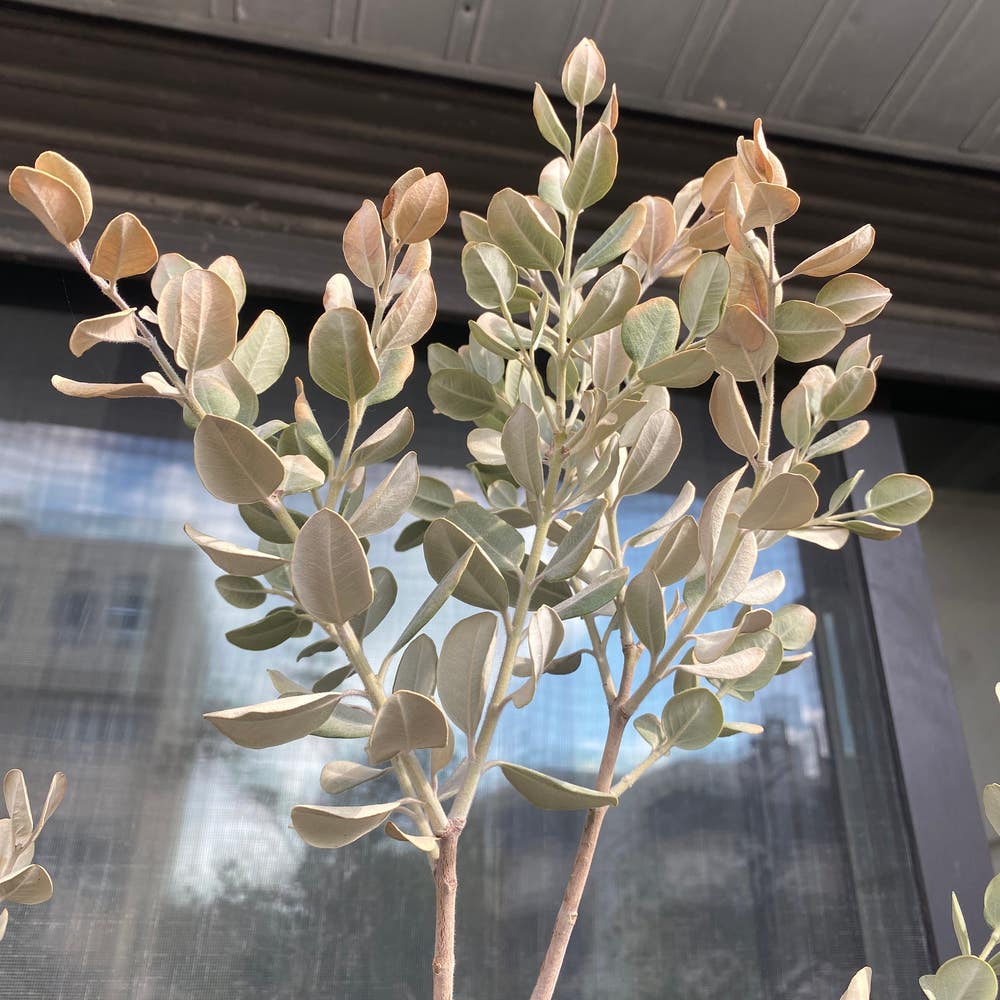
How to Cure Dropping Leaves on Your Metrosideros 🍃
Metrosideros subtomentosa
By the Greg Editorial Team
Nov 08, 2024•6 min read
This article was created with the help of AI so we can cover more plants for you. May contain errors. See one? Report it here.
Transform your Metrosideros and stop leaf drop in its tracks with these vital care strategies! 🌱
- 🌱 Leaf drop signals stress; check for yellowing, browning, or wilting leaves.
- 💧 Monitor soil moisture to prevent overwatering and root rot in your Metrosideros.
- 🐛 Inspect for pests like scale and aphids, which can cause significant leaf drop.
Diagnosing Leaf Drop Issues
Identifying Symptoms of Stress 🌱
Leaf drop can be a distressing issue for your Metrosideros. Start by observing leaf discoloration; yellowing or browning leaves often signal stress.
Another key symptom is leaf wilting, which indicates either dehydration or overwatering. Lastly, premature leaf drop—when leaves fall off before their time—can be a clear sign that something is amiss.
How to Assess Watering Practices 💧
To tackle watering issues, begin with a soil moisture check. You can use a moisture meter or simply perform a finger test to gauge how dry the soil is.
Next, establish a watering frequency that suits your plant's needs. Be mindful of signs of overwatering, such as root rot symptoms and soggy soil, which can lead to further complications.
Recognizing Pest Infestations and Diseases 🐛
Pests can wreak havoc on your Metrosideros, so it's crucial to recognize common culprits like scale insects and aphids. Look for symptoms of infestation, including sticky residue, webbing, or visible pests on the leaves.
Additionally, be aware of diseases, particularly fungal infections, which can lead to leaf drop. Keeping a close eye on your plant's health will help you catch these issues early.
By diagnosing these leaf drop issues effectively, you can take the necessary steps to restore your Metrosideros to its vibrant self. Next, let’s explore how to prevent leaf drop from occurring in the first place.
Preventing Leaf Drop
🌊 Best Practices for Watering Metrosideros
Watering your Metrosideros correctly is crucial for preventing leaf drop. Establish a consistent watering schedule that adjusts with the seasons; during hot months, increase frequency, while in cooler months, reduce it.
Utilize deep watering techniques to encourage root growth. This means soaking the soil thoroughly rather than just wetting the surface. Consider using the Greg plant care app to monitor soil moisture and set reminders for when to water.
🪴 Soil Composition and Drainage Requirements
The right soil mix is essential for healthy Metrosideros. Aim for well-draining loamy soil enriched with organic matter to provide nutrients and support drainage.
Maintaining a pH level between 6.0 and 7.0 is also vital. If your soil tends to retain too much moisture, amend it with perlite or sand to enhance drainage and prevent root rot.
☀️ Importance of Proper Sunlight Exposure
Metrosideros thrive in full sun, which is key to their growth and vitality. Insufficient light can lead to stretching or leggy growth, signaling that your plant needs a brighter spot.
If you notice these signs, consider relocating your plant to a sunnier area. This simple adjustment can significantly improve its health and reduce the risk of leaf drop.
By following these best practices for watering, soil composition, and sunlight exposure, you can create an optimal environment for your Metrosideros. This foundation will set the stage for addressing any leaf drop problems that may arise in the future.
Treating Leaf Drop Problems
Step-by-Step Guide to Adjusting Care Routines 🌱
To effectively treat leaf drop issues, start by assessing your current watering practices. Adjust your watering based on soil moisture levels to ensure your Metrosideros is neither overwatered nor underwatered.
Next, modify your fertilization schedule. During the growing season, use a balanced fertilizer to provide essential nutrients that promote healthy foliage.
Finally, monitor environmental conditions closely. Adjust care routines based on temperature and humidity to create an optimal growing environment.
Recommended Treatments for Pests and Diseases 🐛
Pest infestations can lead to significant leaf drop, so it's crucial to implement effective control methods. Use neem oil or insecticidal soap to combat common pests like scale insects and aphids.
For diseases, fungicides can help manage fungal infections that may cause leaf drop. Regular inspections are vital; conduct weekly checks to catch any issues early and keep your plant healthy.
Fertilization Tips to Promote Healthy Foliage 🌼
Establish a consistent fertilization schedule, applying nutrients monthly during the growing season. This routine supports robust growth and vibrant leaves.
Choose the right type of fertilizer, opting for balanced NPK fertilizers or organic options that suit your plant's needs. Watch for signs of nutrient deficiency, such as yellowing leaves and stunted growth, to adjust your fertilization strategy accordingly.
By following these steps, you can effectively treat leaf drop problems and foster a thriving Metrosideros. Next, let’s explore long-term care strategies to ensure your plant remains healthy year-round.
Long-term Care Strategies
🌱 Seasonal Care Adjustments for Metrosideros
Caring for your Metrosideros requires seasonal adjustments to keep it thriving.
Spring: Fertilization and Pruning
In spring, focus on fertilizing and pruning your plant to encourage new growth. Apply a balanced fertilizer and trim back any dead or overcrowded branches.
Summer: Increased Watering and Pest Monitoring
During the summer months, increase your watering frequency to combat heat stress. Keep a close eye on pests, as they tend to be more active in warmer weather.
Fall: Preparing for Dormancy
As fall approaches, start preparing your Metrosideros for dormancy. Gradually reduce watering to help the plant acclimate to cooler temperatures.
Winter: Protecting from Cold
In winter, protect your plant from cold drafts and monitor for signs of stress. Ensure it has adequate light and warmth to survive the colder months.
✂️ Pruning Techniques to Enhance Plant Health
Pruning is essential for maintaining the health and appearance of your Metrosideros.
When to Prune
The best times to prune are in early spring or late fall. This timing helps promote healthy growth and removes any dead or damaged leaves.
Tools Needed
Use clean, sharp pruning shears to make precise cuts. This minimizes damage to the plant and promotes quicker healing.
Techniques for Better Airflow
Thinning out crowded areas allows for better airflow and light penetration. This practice reduces the risk of fungal infections and encourages robust growth.
🔍 Monitoring and Maintaining Optimal Growing Conditions
Regular monitoring is key to keeping your Metrosideros healthy.
Regular Checks
Make it a habit to check soil moisture, light levels, and pest presence regularly. This proactive approach helps catch issues before they escalate.
Adjusting Care Based on Growth Stage
Adjust your care routine based on whether your plant is young or mature. Young plants may need more frequent watering, while mature trees might require less.
Utilizing Technology
Consider using the Greg plant care app for reminders and tracking health issues. This tool can help you stay organized and attentive to your plant's needs.
By implementing these long-term care strategies, you can ensure your Metrosideros remains vibrant and healthy throughout the seasons. Next, let’s explore how to treat any leaf drop problems that may arise.
⚠️ Safety First
This content is for general information and may contain errors, omissions, or outdated details. It is not medical, veterinary advice, or an endorsement of therapeutic claims.
Always consult a qualified healthcare professional before using any plant as food, medicine, or supplement.
Never eat any plant (or feed one to pets) without confirming its identity with at least two trusted sources.
If you suspect poisoning, call Poison Control (800) 222-1222, the Pet Poison Helpline (800) 213-6680, or your local emergency service immediately.
Spotted an error? Please report it here.
Revive your Metrosideros and stop leaf drop 🌿 by using Greg's tailored watering reminders and pest alerts to keep your plant healthy and thriving!