✂️ Step-by-Step Guide to Trimming Metrosideros
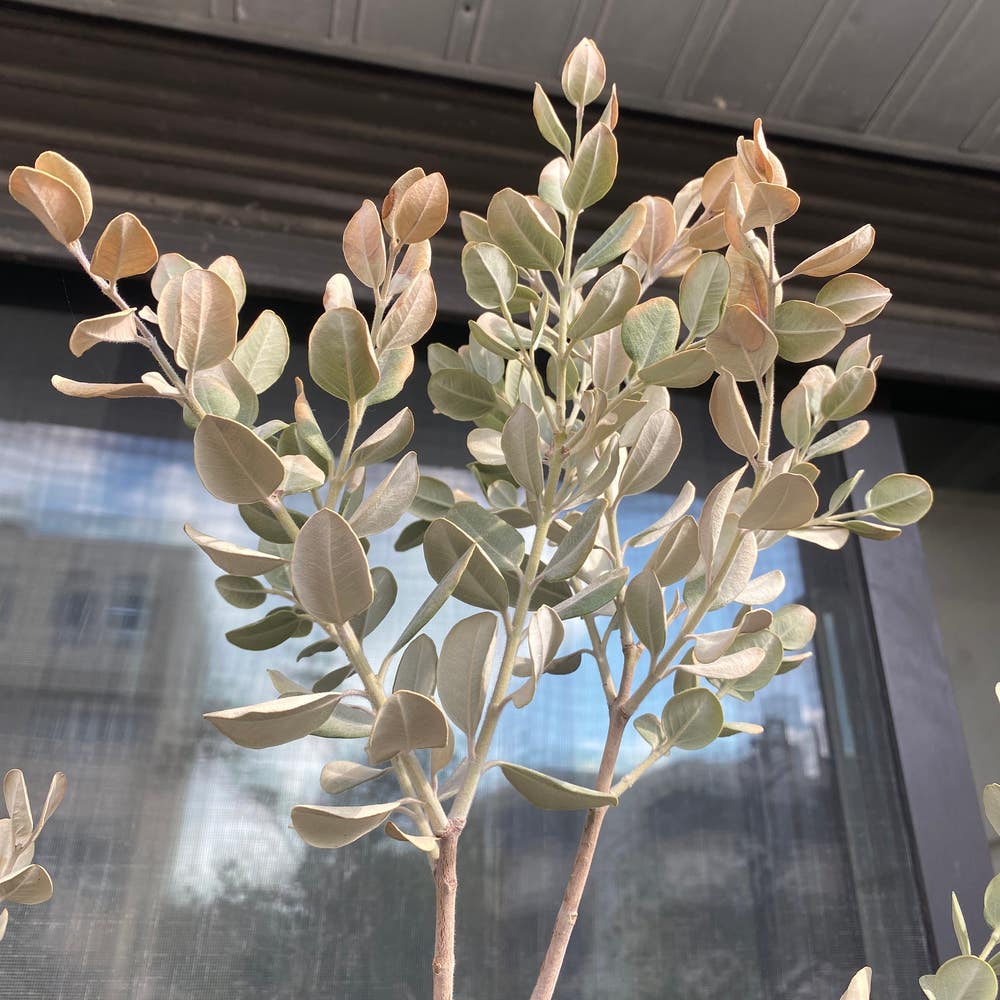
Metrosideros subtomentosa
By the Greg Editorial Team
Nov 08, 2024•5 min read
This article was created with the help of AI so we can cover more plants for you. May contain errors. See one? Report it here.
Unlock vibrant blooms and a thriving Metrosideros 🌱 with expert pruning tips for every season!
- 🌱 Best time to prune Metrosideros is late winter to early spring for optimal growth.
- ✂️ Use sharp tools and make clean cuts to prevent disease and promote health.
- 🌼 Regular deadheading encourages blooms and redirects energy for healthier plants.
Timing: Best Seasons for Pruning
Optimal Pruning Seasons 🌱
Timing is everything when it comes to pruning your Metrosideros. The best window for trimming is late winter to early spring, just before the new growth kicks in. This timing allows the plant to recover quickly and flourish as the warmer months arrive.
Another prime opportunity is post-flowering. After the blooms fade, pruning encourages fresh growth and can lead to a more vibrant display in the next flowering cycle.
Signs Indicating Pruning Time ⏰
Knowing when to prune is just as crucial as the act itself. Keep an eye out for spent blooms and excessive growth; these are clear indicators that it’s time to get to work.
Additionally, assess the overall health and density of your plant. If it looks overcrowded or unhealthy, it’s a sign that some pruning is necessary to rejuvenate its vigor.
By paying attention to these signs, you can ensure your Metrosideros remains healthy and thriving. This proactive approach sets the stage for the next section, where we’ll dive into the essential tools and equipment needed for effective pruning.
Tools and Equipment Needed for Pruning
✂️ Essential Pruning Tools
When it comes to pruning your Metrosideros, having the right tools is crucial.
Hand pruners are perfect for tackling small branches and deadheading spent blooms. Their precision allows for clean cuts, promoting healthy growth.
Loppers come in handy for thicker branches, typically up to 1 inch in diameter. They provide the leverage needed to make those cuts without straining your hands.
For larger branches or structural cuts, a pruning saw is essential. This tool helps you manage bigger jobs efficiently, ensuring your plant maintains its shape.
🦺 Safety Equipment
Safety should always be a priority when pruning.
Gloves protect your hands from sharp tools and prickly plant material. They also provide a better grip, making your pruning experience smoother.
Safety goggles are a must to shield your eyes from flying debris. Keeping your vision clear ensures you can focus on making precise cuts without distractions.
Equipped with the right tools and safety gear, you’ll be ready to tackle your Metrosideros pruning project with confidence. Next, let’s dive into the step-by-step pruning techniques that will help you shape and maintain your plant effectively.
Step-by-Step Pruning Techniques
✂️ How to Trim for Shape and Size
Trimming your Metrosideros for shape and size is essential for maintaining its aesthetic appeal. Start by assessing the overall shape and desired size of the plant.
Next, identify any branches that disrupt this shape. These could be overgrown or misaligned branches that detract from the plant's natural form.
Make clean cuts at a 45-degree angle, just above a leaf node or bud. This technique promotes healthy growth and minimizes damage.
As you prune, step back periodically to evaluate the shape. This will help ensure you achieve the desired look without overdoing it.
🪓 Techniques for Removing Dead or Diseased Wood
Removing dead or diseased wood is crucial for the health of your Metrosideros. Begin by identifying branches that show signs of distress, such as discoloration or a lack of leaves.
Once identified, cut back to healthy wood, ensuring your cuts are clean and angled. This helps the plant heal faster and reduces the risk of disease spreading.
Dispose of the removed material properly. This step is vital to maintain the overall health of your plant and prevent any potential disease outbreaks.
🌱 How to Encourage New Growth
Encouraging new growth in your Metrosideros can rejuvenate the plant and enhance its flowering potential. Start by pruning back older branches to promote the emergence of new shoots.
Focus on thinning out crowded areas to allow light penetration. This practice not only improves air circulation but also fosters healthier growth.
Make cuts just above a node to encourage branching. This technique stimulates the plant to produce more foliage and flowers, leading to a more vibrant display.
With these techniques, your Metrosideros will thrive, showcasing its beauty and resilience. Next, let’s explore the importance of deadheading to maximize flowering and plant health.
Deadheading Metrosideros
🏵️ Rationale for Deadheading
Deadheading is essential for maintaining the beauty and health of your Metrosideros. By removing spent blooms, you encourage further flowering and prevent the plant from wasting energy on seed production, allowing it to redirect resources to new growth.
✂️ Step-by-Step Instructions for Deadheading
- Start by identifying the spent blooms on your plant. Look for flowers that have wilted or turned brown.
- Use hand pruners to cut the flower stem back to the nearest leaf node. This helps promote fresh growth.
- Dispose of the dead flowers to maintain plant health and prevent any potential diseases.
🌼 Benefits of Deadheading on Flowering and Plant Health
Deadheading significantly increases the duration of the flowering season. It also enhances the overall vigor and appearance of the plant, making it more robust and visually appealing.
By incorporating deadheading into your regular pruning routine, you can ensure your Metrosideros remains vibrant and healthy. Now that you understand the importance of deadheading, let’s explore some common mistakes to avoid when pruning.
Common Mistakes to Avoid When Pruning
✂️ Over-Pruning
One of the most common pitfalls in pruning is overdoing it. Cutting too much can stunt growth and significantly reduce the flowering potential of your Metrosideros.
⏰ Incorrect Timing
Timing is everything in gardening. Pruning too late in the season can remove essential buds that are vital for the next flowering cycle, leaving your plant less vibrant.
🔪 Using Dull Tools
Using dull tools might seem like a minor issue, but it can lead to jagged cuts. These rough edges increase the risk of disease, which can harm your plant's health.
📝 Final Thoughts
Avoiding these mistakes will help you maintain a healthy and flourishing Metrosideros. With the right techniques and timing, your pruning efforts can lead to a more robust and beautiful plant.
⚠️ Safety First
This content is for general information and may contain errors, omissions, or outdated details. It is not medical, veterinary advice, or an endorsement of therapeutic claims.
Always consult a qualified healthcare professional before using any plant as food, medicine, or supplement.
Never eat any plant (or feed one to pets) without confirming its identity with at least two trusted sources.
If you suspect poisoning, call Poison Control (800) 222-1222, the Pet Poison Helpline (800) 213-6680, or your local emergency service immediately.
Spotted an error? Please report it here.
Prune your Metrosideros like a pro for blooming success 🌸 with Greg's tailored tips and reminders that ensure your plant thrives all season long!