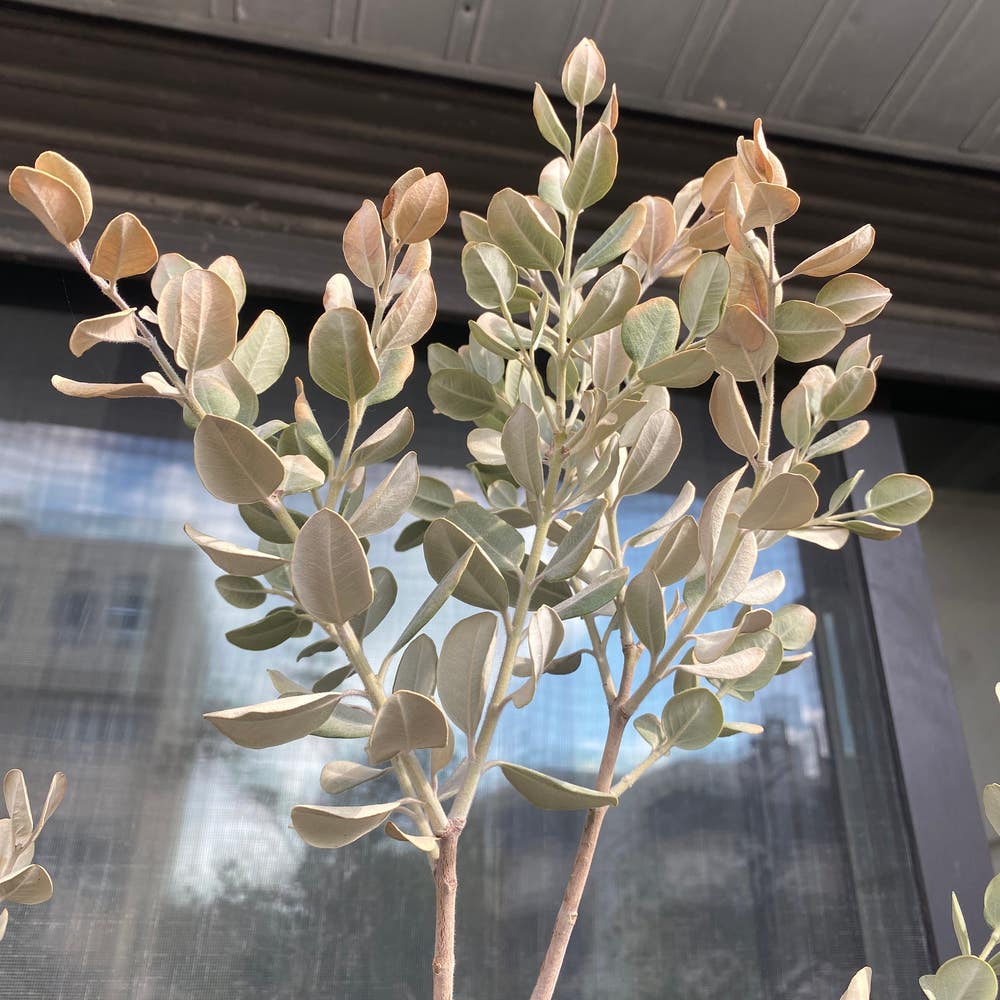
Metrosideros: A Perennial Plant 🌸
Metrosideros subtomentosa
By the Greg Editorial Team
Nov 08, 2024•5 min read
This article was created with the help of AI so we can cover more plants for you. May contain errors. See one? Report it here.
Unlock the secret to a thriving garden with resilient Metrosideros plants that bloom beautifully! 🌼
- 🌱 Metrosideros plants thrive for 10-50 years, adapting to various climates and conditions.
- 🌼 Vibrant blooms attract pollinators from late spring to summer, enhancing garden biodiversity.
- 🌍 Extensive root systems improve soil health, making Metrosideros a cost-effective gardening choice.
Key Characteristics of Metrosideros
🌱 Multi-Year Lifecycle
Metrosideros plants exhibit a fascinating multi-year lifecycle. From germination to maturity, the timeline can vary significantly, typically taking several years to reach full growth.
Lifespan expectations for these hardy plants range from 10 to 50 years, depending on the species and environmental conditions. This longevity makes them a reliable choice for gardeners looking for lasting beauty.
🌳 Growth Patterns and Regrowth from Roots
The growth habits of Metrosideros are impressive, with some species capable of reaching heights of up to 30 meters. Their extensive root systems not only provide stability but also enhance nutrient uptake, making them resilient in various conditions.
One of the standout features of Metrosideros is its ability to sprout new growth from established roots each year. This regrowth mechanism allows the plant to thrive even after adverse environmental stressors, showcasing its remarkable adaptability.
As you explore the characteristics of Metrosideros, you'll appreciate how its lifecycle and growth patterns contribute to its appeal in gardens and landscapes. Next, we will delve into the impact of its perennial nature on growth and lifespan.
Impact of Perennial Nature on Growth and Lifespan
🌸 Flowering Cycles and Patterns
Metrosideros plants exhibit a captivating seasonal flowering behavior. Typically, they burst into vibrant bloom from late spring to summer, showcasing colors that attract a variety of pollinators.
Several factors influence this flowering cycle. Climate, soil conditions, and care practices all play crucial roles in determining when and how profusely these plants flower.
⏳ Overall Lifespan and Longevity Factors
The expected lifespan of Metrosideros can vary significantly, ranging from 10 to 50 years depending on the species and environmental conditions. This variability highlights the adaptability of these plants to different habitats.
Key factors influencing their longevity include soil quality, water availability, and resistance to pests. Healthy soil and adequate moisture can significantly enhance their lifespan, making them a resilient choice for gardeners.
Understanding these aspects of Metrosideros not only helps in appreciating their beauty but also in planning for their long-term care. As we explore further, we will delve into the dormancy and seasonal changes that affect these remarkable plants.
Dormancy and Seasonal Changes
Description of Dormancy Periods 🌱
Metrosideros plants experience dormancy primarily during the cooler months. This period is marked by reduced metabolic activity and often results in leaf drop, allowing the plant to conserve energy.
Seasonal Changes in Metrosideros 🍂
During dormancy, growth patterns shift, leading to slower overall growth. However, Metrosideros shows remarkable resilience, with the ability to withstand seasonal stressors like drought or frost, ensuring survival until the warmer months return.
Understanding these dormancy and seasonal changes is crucial for gardeners looking to optimize their care for Metrosideros. As we transition to the next section, let’s explore the advantages of this perennial nature for gardeners and the ecological benefits it brings.
Advantages of Perennial Nature for Gardeners
🌱 Benefits for Gardeners
One of the standout advantages of growing Metrosideros is the reduced need for replanting. This perennial nature translates to fewer annual costs and less labor, making it a smart long-term investment for any gardener.
Established root systems play a crucial role in enhancing soil structure and nutrient cycling. These roots not only stabilize the plant but also improve drought resistance, ensuring that your garden remains vibrant even in challenging conditions.
🌍 Ecological Benefits
Metrosideros plants contribute significantly to local ecosystems. They provide essential habitats for wildlife and pollinators, fostering biodiversity in your garden.
Moreover, their extensive root systems enhance soil health. By improving soil structure and nutrient availability, Metrosideros helps create a thriving environment for other plants, making your garden a more sustainable ecosystem overall.
Incorporating Metrosideros into your garden not only benefits you as a gardener but also supports the broader environment. This dual advantage makes it an excellent choice for those looking to cultivate a flourishing, eco-friendly garden.
As we explore the variations of Metrosideros across different climate zones, we’ll see how these plants adapt and thrive in diverse conditions.
Variations Across Climate Zones
🌍 Perennial Behavior in Different Climates
Metrosideros exhibits remarkable adaptability across various climates, particularly in tropical and subtropical regions. In these warm, humid environments, growth patterns can be vigorous, with some species reaching impressive heights and lush foliage.
Flowering also varies significantly based on local climate conditions. In tropical areas, Metrosideros may bloom year-round, while in subtropical regions, flowering is often concentrated in specific seasons, typically aligning with the wet season for optimal pollination.
🌱 Factors Influencing Growth in Various Conditions
Soil type and quality play a crucial role in the growth of Metrosideros. This plant shows impressive tolerance to different soil conditions, thriving in sandy, loamy, and even clay soils, provided they are well-draining.
Temperature and moisture levels are equally important. Extreme weather can impact growth and dormancy, with prolonged drought or excessive rainfall affecting the plant's health. Understanding these factors can help gardeners optimize conditions for their Metrosideros, ensuring robust growth and vibrant blooms.
As we explore the next section, we will delve into strategies for maximizing the benefits of Metrosideros in garden planning.
Maximizing Benefits in Garden Planning
Tips for Long-Term Cultivation 🌱
To cultivate Metrosideros successfully, start with proper soil preparation. Aim for well-draining, nutrient-rich soil to support robust growth.
Next, establish a consistent watering schedule. During active growth, ensure the plant receives adequate moisture to thrive.
Strategies for Integrating Metrosideros into Garden Designs 🌼
Companion planting can enhance the growth and aesthetics of your garden. Consider pairing Metrosideros with native plants that share similar water and light requirements.
When designing your garden, think about placement. Position your Metrosideros to receive optimal sunlight while allowing enough space for its growth.
Additionally, plan for seasonal interest. Choose plants with varied flowering times and foliage to create a dynamic and visually appealing landscape throughout the year.
By following these tips and strategies, you can maximize the benefits of Metrosideros in your garden, ensuring a vibrant and sustainable environment.
⚠️ Safety First
This content is for general information and may contain errors, omissions, or outdated details. It is not medical, veterinary advice, or an endorsement of therapeutic claims.
Always consult a qualified healthcare professional before using any plant as food, medicine, or supplement.
Never eat any plant (or feed one to pets) without confirming its identity with at least two trusted sources.
If you suspect poisoning, call Poison Control (800) 222-1222, the Pet Poison Helpline (800) 213-6680, or your local emergency service immediately.
Spotted an error? Please report it here.
Cultivate thriving Metrosideros 🌳 with Greg's tailored watering reminders and expert care tips, ensuring these stunning plants flourish in your garden for decades to come!