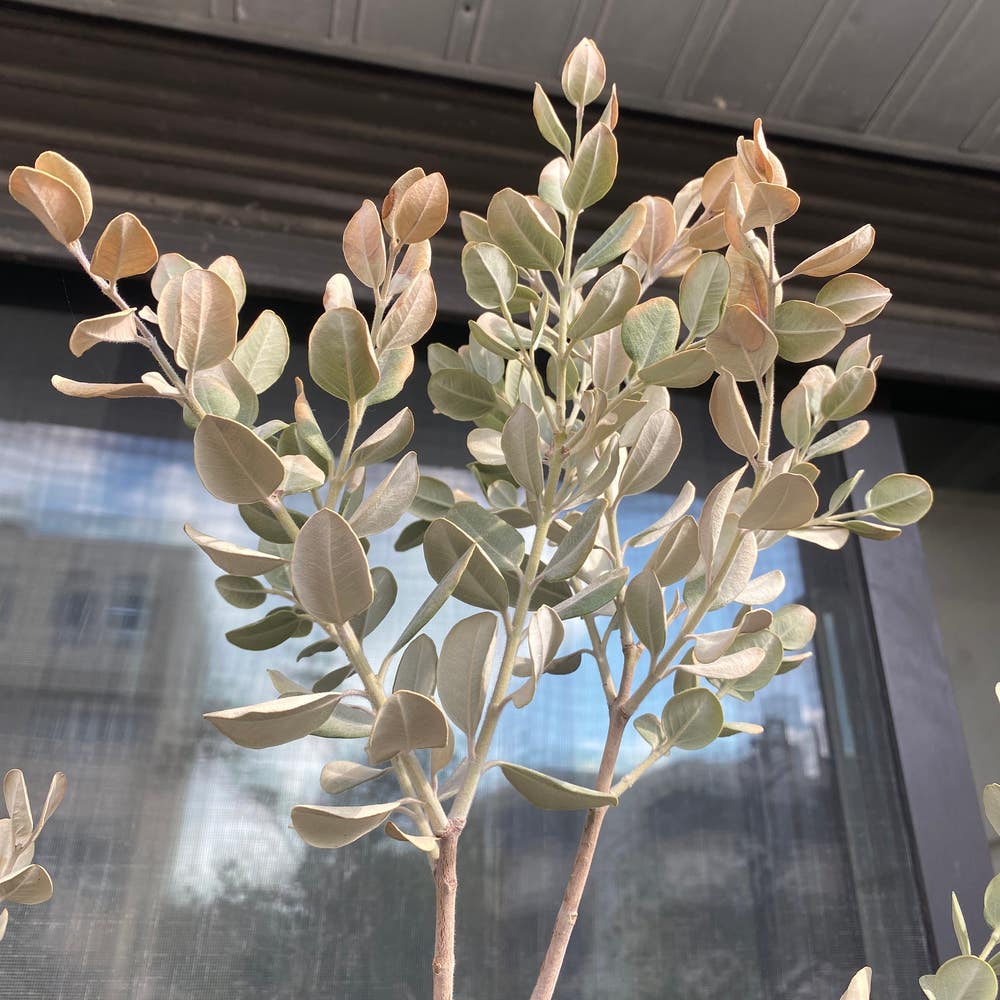
💧 How to Fix Droopy Leaves on Your Metrosideros
Metrosideros subtomentosa
By the Greg Editorial Team
Nov 08, 2024•7 min read
This article was created with the help of AI so we can cover more plants for you. May contain errors. See one? Report it here.
Transform your droopy Metrosideros into a thriving beauty 🌿 with these essential care tips for vibrant growth!
- 💧 Overwatering and underwatering both cause droopy leaves; adjust watering accordingly.
- 🌞 Ensure 6+ hours of sunlight daily to prevent weak, droopy leaves.
- 🌿 Monitor humidity and temperature to keep your Metrosideros thriving and upright.
Causes of Droopy Leaves
💧 Overwatering and Root Rot
Overwatering is a common culprit behind droopy leaves. Symptoms include yellowing leaves, mushy roots, and a foul smell emanating from the soil.
Root rot occurs when fungal infections thrive in waterlogged conditions, leading to root decay. To prevent this, it's crucial to use well-draining soil that allows excess water to escape.
🌵 Underwatering and Drought Stress
On the flip side, underwatering can also cause droopiness. Signs of this issue include crispy, brown leaf edges and wilting leaves.
Typically, you should water your Metrosideros when the top inch of soil feels dry. Prolonged drought stress can lead to permanent leaf damage, so regular checks are essential.
🌡️ Environmental Factors
Temperature
The ideal temperature range for Metrosideros is between 15°C to 25°C (59°F to 77°F). Extreme temperatures can lead to droopy leaves, whether from heat stress or cold shock.
💨 Humidity
Moderate humidity levels are best for these plants. Low humidity can cause dry air, resulting in wilting and droopy leaves.
☀️ Light
Metrosideros thrives in full sun to partial shade, requiring at least 6 hours of sunlight daily. Inadequate light can weaken growth, leading to droopy leaves.
🥦 Nutrient Deficiencies
🌱 Nitrogen Deficiency
A lack of nitrogen manifests as pale green leaves and stunted growth. Nitrogen is essential for healthy leaf development.
🔥 Potassium Deficiency
Potassium deficiency shows up as leaf tip burn and drooping. This nutrient is vital for overall plant health and stress resistance.
🐜 Pest Infestations
🐞 Common Pests
Aphids are a common pest, recognizable by curled leaves and sticky residue. Spider mites can be identified by fine webbing and stippled leaves.
Pest infestations can weaken your plant, contributing to droopy leaves. Regular monitoring is key to catching these issues early.
Diagnosing Droopy Leaves
👀 Visual Signs of Droopiness
Droopy leaves often exhibit a limp appearance, discoloration, and curling. Early detection is crucial; recognizing these signs promptly can prevent further damage to your Metrosideros.
💧 Assessing Soil Moisture Levels
To check soil moisture, use the finger test—insert your finger into the soil up to the second knuckle—or employ a moisture meter for accuracy. Ideally, the soil should feel moist but not soggy, striking the right balance for healthy roots.
🐛 Checking for Pests and Diseases
Inspect your plant by looking under leaves and along stems for any pests. Signs of disease may include fungal growth, discoloration, or unusual leaf textures that warrant immediate attention.
🌡️ Evaluating Environmental Conditions
Monitoring temperature and humidity is essential for your plant's health. Use thermometers and hygrometers to ensure conditions are optimal, and adjust light exposure to guarantee your Metrosideros receives adequate sunlight for robust growth.
By carefully diagnosing these aspects, you can effectively address the causes of droopy leaves and set your plant on the path to recovery. Next, we’ll explore practical solutions to rejuvenate your Metrosideros and restore its vitality.
Solutions for Droopy Leaves
🌊 Adjusting Watering Practices
To revive your Metrosideros, start by adjusting your watering schedule. Water the plant when the top inch of soil feels dry to the touch.
Deep watering is crucial; it encourages roots to grow deeper and become more resilient. This method helps prevent both overwatering and underwatering, ensuring your plant thrives.
🕳️ Improving Soil Drainage
Next, focus on enhancing soil drainage. Incorporate perlite or sand into your potting mix to improve aeration and prevent waterlogging.
If your plant is in a container, ensure it has adequate drainage holes. This simple step can significantly reduce the risk of root rot and droopy leaves.
🌱 Fertilization Tips
Fertilization plays a key role in plant health. Use a balanced NPK fertilizer during the growing season to provide essential nutrients.
Apply fertilizer every 4-6 weeks while your plant is actively growing. This regular feeding will support robust growth and help prevent nutrient deficiencies that can lead to droopiness.
🐞 Pest Control Methods
Pest infestations can also cause droopy leaves. For effective pest control, consider using organic options like neem oil or insecticidal soap, especially for common pests like aphids and spider mites.
Regular monitoring is essential. Check your plants weekly for any signs of pests to catch infestations early and keep your Metrosideros healthy.
🚑 Disease Management Strategies
If your plant shows signs of disease, act quickly. Remove any affected leaves and apply fungicides as necessary to combat fungal infections.
Preventing disease is equally important. Rotate planting locations and maintain good air circulation around your plants to minimize the risk of future issues.
By implementing these solutions, you can restore your Metrosideros to its vibrant self. Next, let’s explore how to prevent future leaf droop and ensure your plant remains healthy year-round.
Preventing Future Leaf Droop
💧 Best Practices for Watering
Establishing a consistent watering schedule is crucial for your Metrosideros. Adjust your routine based on seasonal changes to ensure your plant receives the right amount of moisture.
Avoiding overwatering is equally important. Make sure your pots have proper drainage and regularly check moisture levels to prevent waterlogged soil.
🌱 Ideal Soil Composition
Using a well-draining potting mix enriched with organic matter is recommended. This type of soil promotes healthy root growth and prevents issues related to excess moisture.
Additionally, aim for a soil pH that is slightly acidic to neutral, ideally between 6.0 and 7.0. This pH range supports optimal nutrient availability for your plant.
🌞 Environmental Adjustments
Light and Temperature
Position your Metrosideros in a location that receives full sun exposure for at least six hours a day. Adequate light is essential for robust growth and preventing droopy leaves.
Temperature control is also vital. Protect your plant from extreme heat or cold drafts to maintain a stable environment that promotes healthy foliage.
🐛 Regular Monitoring for Pests and Diseases
Conduct weekly inspections to catch any early signs of pests or diseases. Early detection can save your plant from significant damage.
Keeping a log of your watering and fertilization schedules can help you track your plant's health over time. This practice allows you to make informed adjustments as needed, ensuring your Metrosideros thrives.
By implementing these preventive measures, you can significantly reduce the risk of droopy leaves in your Metrosideros. With the right care, your plant will flourish, setting the stage for a vibrant display in your garden.
Seasonal Considerations
🌧️ Seasonal Watering Adjustments
Adjusting your watering routine is essential as the seasons change. During hot months, increase your watering frequency to keep your Metrosideros hydrated, while in cooler months, reduce it to prevent overwatering.
Watch for signs of seasonal stress, such as droopy leaves, which can indicate that your plant is struggling with the shift in conditions. Regularly check the soil moisture to ensure it meets your plant's needs.
🌡️ Preparing for Temperature Changes
Temperature fluctuations can impact your plant's health significantly. Use protective measures like mulch or shade cloth during extreme heat to shield your Metrosideros from stress.
Acclimatization is key when introducing your plant to new temperature conditions. Gradually expose it to changes to help it adjust without shock.
📅 Fertilization Schedule Throughout the Year
A consistent fertilization schedule can boost your plant's growth and resilience. Start fertilizing in spring as new growth appears, providing essential nutrients for a vibrant season.
As fall approaches, reduce fertilization to prepare your Metrosideros for dormancy. This adjustment helps your plant conserve energy and stay healthy through the winter months.
By keeping these seasonal considerations in mind, you can ensure your Metrosideros thrives year-round. Next, let’s explore best practices for watering to maintain optimal health.
⚠️ Safety First
This content is for general information and may contain errors, omissions, or outdated details. It is not medical, veterinary advice, or an endorsement of therapeutic claims.
Always consult a qualified healthcare professional before using any plant as food, medicine, or supplement.
Never eat any plant (or feed one to pets) without confirming its identity with at least two trusted sources.
If you suspect poisoning, call Poison Control (800) 222-1222, the Pet Poison Helpline (800) 213-6680, or your local emergency service immediately.
Spotted an error? Please report it here.
Keep your Metrosideros thriving 🌱 by using Greg's tailored care reminders to perfect your watering and sunlight routine, ensuring it stays healthy and vibrant all year round!