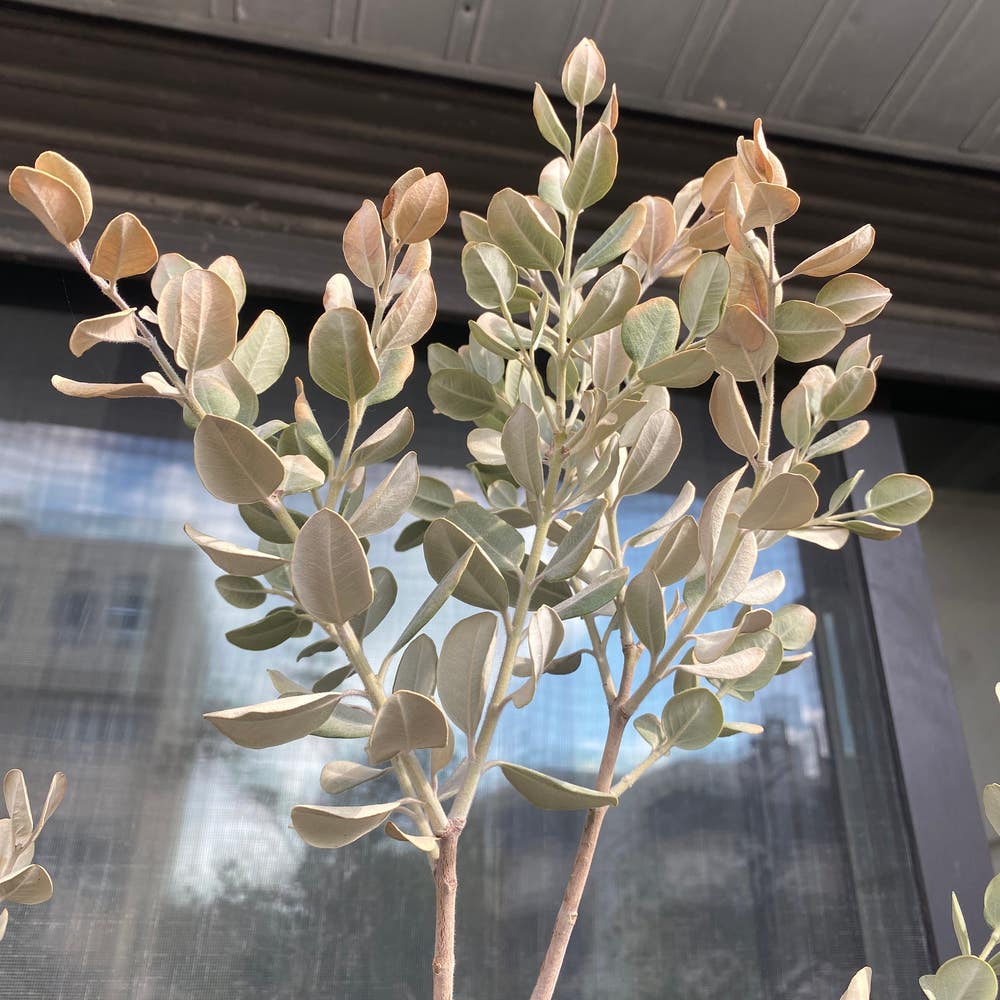
🌳 3 Tips for Propagating Your Metrosideros
Metrosideros subtomentosa
By the Greg Editorial Team
Nov 08, 2024•6 min read
This article was created with the help of AI so we can cover more plants for you. May contain errors. See one? Report it here.
Transform your garden with thriving Metrosideros propagation secrets 🌱 for a vibrant, lush paradise!
- 🌺 Metrosideros excelsa thrives in diverse gardens with vibrant red flowers.
- 🌱 Cuttings should be 4-6 inches long from healthy, non-flowering stems for success.
- 💧 Maintain high humidity and avoid overwatering to prevent root rot during propagation.
Common Species for Propagation
🌺 Metrosideros excelsa
Metrosideros excelsa, commonly known as the New Zealand Christmas tree, is celebrated for its stunning vibrant red flowers and lush evergreen foliage. This species plays a crucial role in coastal ecosystems, providing habitat and food for various wildlife.
🌿 Metrosideros kermadecensis
Another fascinating species is Metrosideros kermadecensis, which showcases unique growth habits and specific propagation needs. Its adaptability to different environments makes it an intriguing choice for gardeners looking to diversify their plant collections.
🌱 Other Notable Species
Beyond these two, the Metrosideros genus includes several other noteworthy species. Each offers distinct characteristics and benefits, making them valuable additions to any garden or landscape. Exploring these varieties can enhance your propagation journey and enrich your gardening experience.
With a solid understanding of these common species, you're well-equipped to dive into the propagation techniques that follow.
Cutting Propagation
🌱 Selecting the Right Cutting
To successfully propagate your Metrosideros, timing is crucial. The best time to take cuttings is late spring to early summer, ensuring optimal growth conditions.
Aim for cuttings that are 4-6 inches (10-15 cm) long, taken from healthy, non-flowering stems. This length strikes a balance between being manageable and providing enough material for rooting.
✂️ Preparing the Cutting for Propagation
Once you've selected your cuttings, it's time to prepare them. Start by removing the lower leaves to prevent rot, which can hinder the rooting process.
For an extra boost, consider dipping the cut ends in rooting hormone. This optional step can significantly improve your success rate.
🌿 Ideal Conditions for Rooting Cuttings
Creating the right environment is key to successful rooting. Use a well-draining potting mix or perlite as your rooting medium to promote healthy growth.
Humidity is another critical factor. Maintain high humidity levels (70-80%) by covering the cuttings with a plastic bag or humidity dome. Additionally, keep the temperature between 20°C to 25°C (68°F to 77°F) for optimal rooting conditions.
❌ Common Mistakes to Avoid
Avoiding common pitfalls can make all the difference in your propagation success. One major mistake is overwatering, which can lead to root rot. Look for signs like wilting or yellowing leaves to catch this early.
Another mistake is using old or unhealthy cuttings. Always select vigorous stems to increase your chances of success. Lastly, don’t neglect humidity and temperature control; both are vital for healthy rooting.
By following these guidelines, you’ll set yourself up for a successful propagation experience. Next, let’s explore seed propagation techniques that can also yield beautiful Metrosideros plants.
Seed Propagation
🌱 Collecting and Preparing Seeds
Timing is crucial when collecting seeds from your Metrosideros. Wait until the seed pods have dried on the plant, signaling they are ready for harvest.
Once collected, clean the seeds by removing any debris. Make sure to dry them thoroughly to prevent mold during storage.
🌿 Germination Process
To enhance germination rates, pre-soak your seeds for about 24 hours. This simple step can significantly boost their chances of sprouting.
Use a sterile seed-starting mix as your germination medium. This ensures a clean environment for your seeds to thrive.
🌍 Ideal Soil and Environmental Conditions
For optimal growth, choose a well-draining soil with a slightly acidic to neutral pH, ideally between 6.0 and 7.0. This pH range supports healthy root development.
Provide bright, indirect sunlight for your seed trays. Too much direct sunlight can scorch the delicate seedlings.
⏳ Timeframe for Germination and Growth
Under ideal conditions, expect germination within 2 to 4 weeks. Patience is key during this period as you nurture your seeds.
Once your seedlings reach 2 to 3 inches (5 to 7 cm) tall, it's time to transplant them. This ensures they have enough strength to thrive in their new environment.
With these steps, you’re well on your way to successfully propagating Metrosideros from seeds. Next, let’s explore the air layering method, another effective propagation technique.
Air Layering Method
🌱 What is Air Layering and Its Benefits
Air layering is a propagation technique that allows you to grow new plants while keeping the parent plant intact. This method boasts higher success rates and ensures that the new plants maintain the same characteristics as the parent.
🛠️ Step-by-Step Guide
- Selecting a healthy branch: Choose a branch that is at least 1 year old for the best results.
- Preparing the branch: Make a 1-inch (2.5 cm) upward cut and remove a ring of bark to stimulate root growth.
- Wrapping the area: Use moist sphagnum moss and plastic wrap to create a nurturing environment for roots to develop.
- Securing the moss: Tie the moss in place with string or tape to keep it snug and moist.
⏰ Timing and Conditions for Success
The best time to air layer is during late spring to early summer when the plant is actively growing. Ensure high humidity and warm temperatures to encourage successful rooting.
🌿 Aftercare for Air-Layered Plants
Monitor the moisture levels in the moss regularly to keep it damp but not soggy. Cut the new plant from the parent once you see roots visible through the moss, ensuring a healthy start for your new plant.
By mastering air layering, you can expand your Metrosideros collection with confidence. This technique not only enhances your gardening skills but also deepens your connection to these beautiful plants. Next, let’s dive into troubleshooting common propagation issues to ensure your efforts yield fruitful results.
Troubleshooting Propagation Issues
Common Problems 🌱
Propagation can sometimes feel like a game of trial and error. If you notice poor rooting in your cuttings, it’s essential to identify the underlying causes.
Poor Rooting in Cuttings: This can stem from several issues, including inadequate humidity, incorrect cutting preparation, or unsuitable environmental conditions.
Low Germination Rates in Seeds: Factors affecting seed viability often include improper seed storage, insufficient moisture, or unsuitable soil conditions.
Solutions for Poor Rooting or Germination Rates 💪
To improve your propagation success, consider these adjustments:
Adjust Humidity and Temperature for Cuttings: Ensure that humidity levels are consistently high, ideally between 70-80%. A humidity dome or plastic bag can help maintain this environment.
Ensure Proper Seed Preparation and Soil Conditions: Clean your seeds thoroughly and use a well-draining, sterile seed-starting mix. This will create the best conditions for germination.
Identifying and Addressing Pests or Diseases 🐛
Pests can wreak havoc on your propagation efforts. Here’s what to watch for:
Common Pests: Aphids and fungus gnats are frequent culprits that can undermine your plants' health.
Preventative Measures: Use organic insecticides and keep your workspace clean to deter pests. Regularly inspect your plants to catch any issues early.
By addressing these common problems and implementing effective solutions, you can enhance your propagation success. Now, let’s explore the exciting methods of propagating your Metrosideros further!
⚠️ Safety First
This content is for general information and may contain errors, omissions, or outdated details. It is not medical, veterinary advice, or an endorsement of therapeutic claims.
Always consult a qualified healthcare professional before using any plant as food, medicine, or supplement.
Never eat any plant (or feed one to pets) without confirming its identity with at least two trusted sources.
If you suspect poisoning, call Poison Control (800) 222-1222, the Pet Poison Helpline (800) 213-6680, or your local emergency service immediately.
Spotted an error? Please report it here.
Propagate your Metrosideros like a pro 🌿 by using Greg's tailored reminders and expert tips to ensure your cuttings thrive and bloom beautifully!