Best Humidity Levels for Metrosideros 💧
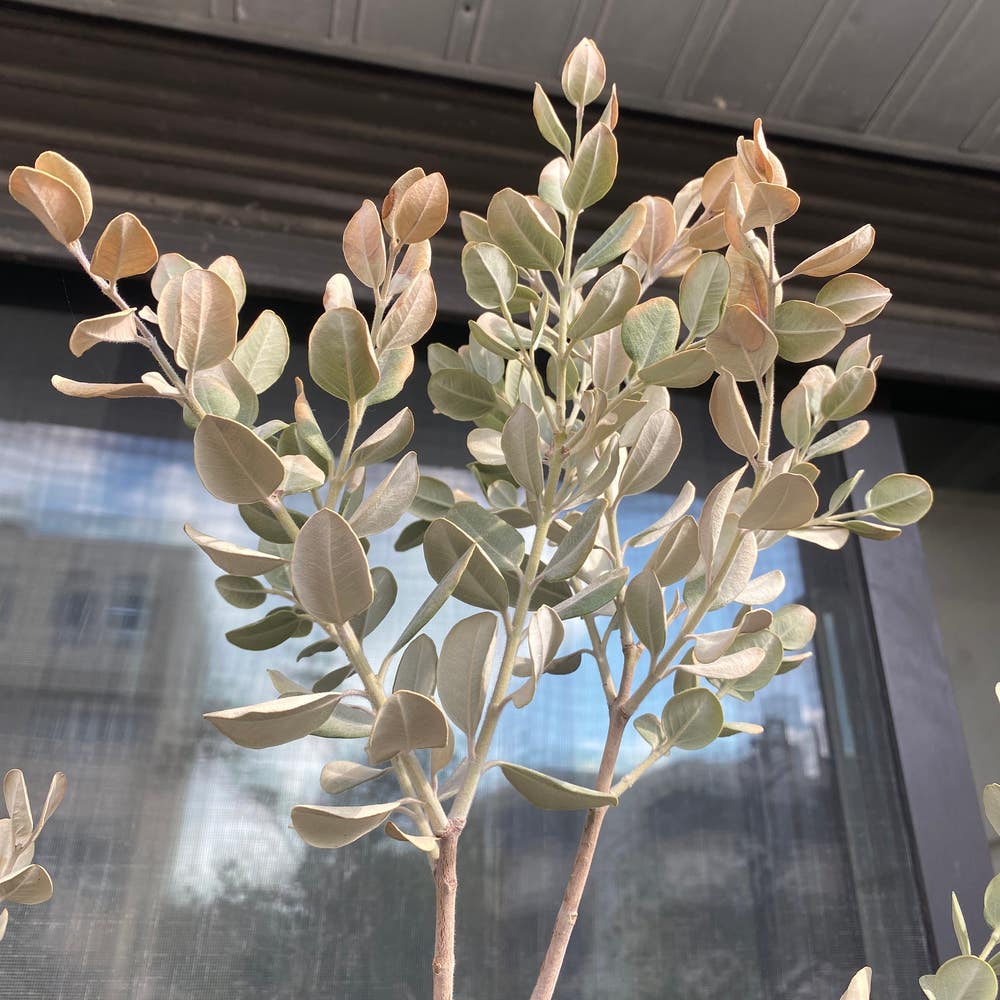
Metrosideros subtomentosa
By the Greg Editorial Team
Nov 08, 2024•5 min read
This article was created with the help of AI so we can cover more plants for you. May contain errors. See one? Report it here.
Unlock the secret to thriving Metrosideros by mastering humidity management! 🌿💧
- 🌧️ Metrosideros thrives at 60%-80% humidity; adjust for optimal growth and health.
- 🌿 Low humidity causes leaf curling and browning; monitor levels closely.
- 💧 Use humidifiers or pebble trays to maintain ideal humidity for your plants.
Ideal Humidity Range
💧 Humidity Requirements
For Metrosideros plants, maintaining an optimal relative humidity level between 60% and 80% is crucial. This range supports their growth and overall health, allowing them to thrive in their natural environments.
Different species of Metrosideros may have specific humidity preferences. Understanding these variations can help you tailor your care approach to meet the needs of your particular plant variety.
⚖️ Effects of Low and High Humidity
Low humidity can lead to several distress signals in Metrosideros. Common symptoms include leaf curling, browning tips, and increased susceptibility to pests, which can compromise the plant's vitality.
Conversely, high humidity presents its own challenges. It can foster fungal diseases, mold growth, and root rot, all of which can be detrimental to your plant's health. Striking a balance in humidity management is essential for keeping your Metrosideros flourishing.
By monitoring and adjusting humidity levels, you can create an environment where your plants can thrive, avoiding the pitfalls of both extremes. This proactive approach ensures your Metrosideros remains healthy and vibrant, ready to showcase its beauty.
Humidity Measurement
🌧️ Understanding Humidity Types
When caring for Metrosideros, it's crucial to understand the difference between absolute and relative humidity. Absolute humidity refers to the actual amount of water vapor in the air, while relative humidity indicates the percentage of moisture relative to the air's capacity to hold it.
For Metrosideros care, relative humidity is particularly important. This is because these plants thrive in specific humidity ranges, making it essential to monitor and maintain optimal levels for their health.
📏 Measuring Humidity Levels
To effectively measure humidity, you can use tools like hygrometers and digital weather stations. These devices provide accurate readings that help you gauge the moisture levels in your environment.
For the best results, place your measuring devices near the Metrosideros plant. This ensures that you get precise humidity readings that directly affect your plant's well-being.
By keeping an eye on humidity levels, you can create a thriving environment for your Metrosideros, ensuring they receive the care they need to flourish.
Local Humidity Management
🌧️ Assessing Local Conditions
Understanding your local climate is crucial for the health of your Metrosideros. Tropical regions typically boast high humidity levels, often exceeding 80%, while subtropical areas may experience more variability, ranging from 50% to 70%.
To accurately assess local humidity, utilize tools like weather apps and local climate data. These resources provide real-time information, helping you make informed decisions about your plant care.
💧 Adapting Care Based on Local Humidity
Tailoring your watering schedule is essential, especially in low humidity conditions. In drier environments, you may need to water your Metrosideros more frequently to compensate for moisture loss.
Always observe your plant's responses to changes in local humidity. Signs of stress, such as leaf curling or browning tips, indicate that adjustments may be necessary to maintain optimal health.
By staying attuned to your environment and your plant's needs, you can create a thriving habitat for your Metrosideros. This proactive approach will ensure your plants flourish, regardless of the humidity challenges you face.
Strategies for Managing Humidity
🌧️ Boosting Humidity
Humidifiers
Humidifiers are essential tools for maintaining the right moisture levels for your Metrosideros. You can choose between cool mist and warm mist options, depending on your preference and the specific needs of your plants.
Place the humidifier near your Metrosideros to ensure effective moisture distribution. This proximity helps create a microenvironment that supports healthy growth.
Pebble Trays
Creating a pebble tray is a simple yet effective way to boost humidity. Fill a shallow tray with pebbles and add water until it just covers the stones.
Position the pebble tray under your plant pot. As the water evaporates, it will increase the local humidity around your Metrosideros, promoting a healthier atmosphere.
Misting Techniques
Misting can be a quick fix for humidity issues. Depending on your local conditions, mist your plants daily or every few days to maintain adequate moisture levels.
The best time to mist is early morning. This timing allows the leaves to dry before evening, reducing the risk of fungal diseases.
🌬️ Reducing Humidity
Air Circulation
Good airflow is crucial for preventing stagnant air, which can lead to excessive humidity. Ensuring proper circulation helps maintain a balanced environment for your Metrosideros.
Consider using fans or strategically placing your plants to improve air circulation. This approach not only reduces humidity but also promotes overall plant health.
Dehumidifiers
In excessively humid environments, a dehumidifier can be a lifesaver. These devices help lower moisture levels, creating a more suitable atmosphere for your Metrosideros.
Place the dehumidifier near your plants, but avoid direct airflow on them. This way, you can effectively manage humidity without stressing your plants.
Understanding how to manage humidity effectively is key to keeping your Metrosideros thriving. With the right strategies in place, you can create an ideal environment that supports their growth and health. Next, let’s explore common humidity-related issues and how to address them.
Common Humidity-Related Issues
🌬️ Signs of Humidity Stress
Humidity stress can manifest in several visual indicators on your Metrosideros. Look out for leaf curling, browning tips, and wilting, which signal that your plant is struggling to cope with its environment.
Early detection is crucial for effective intervention. Addressing these symptoms promptly can prevent further damage and help your plant thrive.
💧 Solutions for Humidity Problems
Adjusting your watering practices is one of the simplest ways to combat humidity issues. If humidity levels are low, consider increasing your watering frequency; conversely, reduce watering when humidity is high.
Implementing humidity-boosting strategies can also make a significant difference. Techniques like using humidifiers, pebble trays, or misting can help create a more favorable environment for your Metrosideros.
By staying attentive to your plant's needs, you can maintain optimal humidity levels and promote healthy growth. This proactive approach will ensure your Metrosideros remains vibrant and resilient.
⚠️ Safety First
This content is for general information and may contain errors, omissions, or outdated details. It is not medical, veterinary advice, or an endorsement of therapeutic claims.
Always consult a qualified healthcare professional before using any plant as food, medicine, or supplement.
Never eat any plant (or feed one to pets) without confirming its identity with at least two trusted sources.
If you suspect poisoning, call Poison Control (800) 222-1222, the Pet Poison Helpline (800) 213-6680, or your local emergency service immediately.
Spotted an error? Please report it here.
Ensure your Metrosideros stays vibrant and healthy 🌱 by using Greg to monitor humidity levels and tailor your care routine for optimal growth!