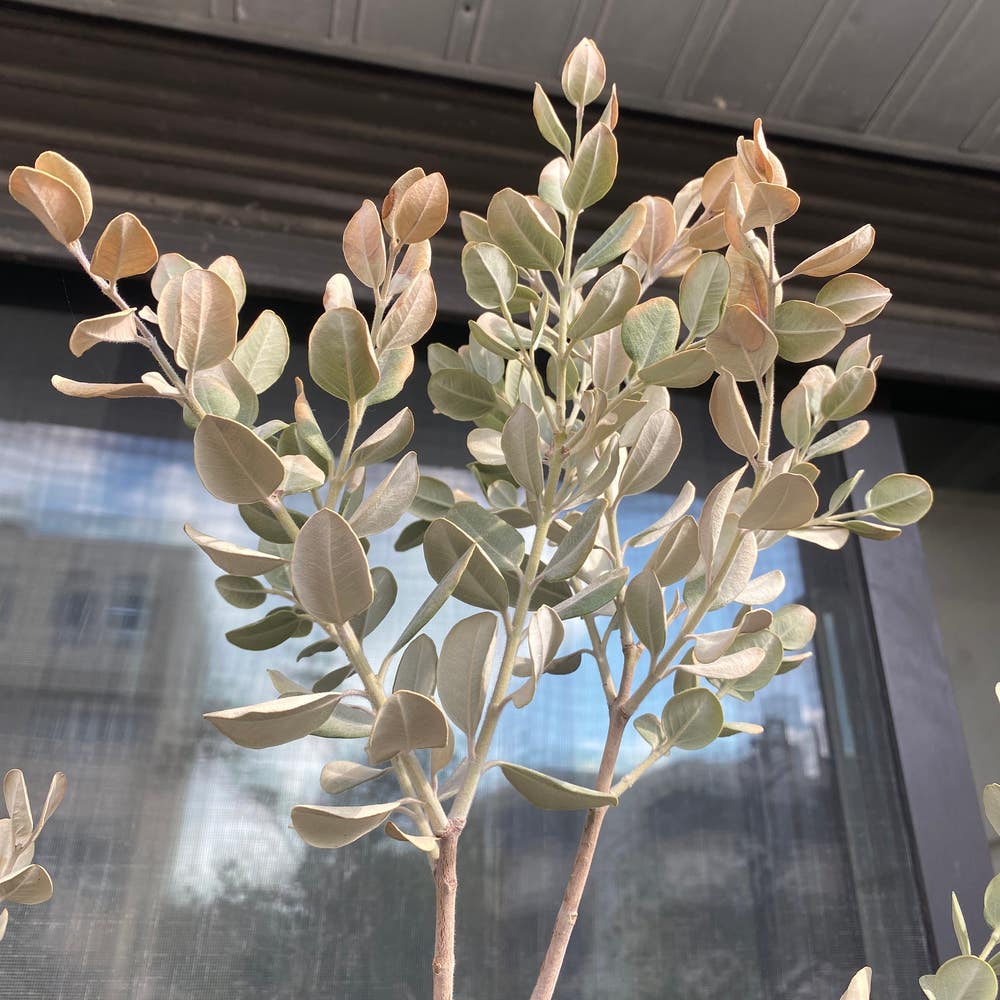
🌳 9 Steps to a Healthy Outdoor Metrosideros
Metrosideros subtomentosa
By the Greg Editorial Team
Nov 08, 2024•5 min read
This article was created with the help of AI so we can cover more plants for you. May contain errors. See one? Report it here.
Cultivate a stunning Metrosideros by mastering sunlight, watering, and care essentials! 🌱✨
- ☀️ Metrosideros needs 6-8 hours of sunlight for optimal growth and flowering.
- 💧 Water weekly during dry spells; check soil moisture to avoid overwatering.
- 🌱 Fertilize every 4-6 weeks with balanced NPK for healthy growth.
Sunlight Requirements
Ideal Sunlight Exposure ☀️
Metrosideros thrives in full sun, requiring at least 6-8 hours of direct sunlight daily. While it can tolerate partial shade, this may hinder its flowering potential.
Impact of Sunlight on Growth 🌱
Sunlight is crucial for photosynthesis, which fuels growth and blooming. If your plant shows signs of leggy growth or reduced flowering, it might be a signal that it’s not getting enough sunlight.
Understanding these sunlight requirements will help you cultivate a vibrant and healthy Metrosideros. Next, let’s explore the watering needs that are essential for its growth.
Watering Needs and Frequency
💧 General Watering Guidelines
To keep your outdoor Metrosideros thriving, aim to water it weekly during dry spells. Adjust your watering schedule based on rainfall, ensuring the plant receives adequate moisture without becoming waterlogged.
Before watering, check the soil moisture by feeling the top 1-2 inches of soil. If it’s dry, it’s time to give your plant a drink.
🚫 Overwatering and Underwatering Risks
Be mindful of the signs of overwatering, which can manifest as yellowing leaves and root rot. These symptoms indicate that your plant is drowning, so it's crucial to ensure proper drainage.
On the flip side, underwatering can lead to wilting and browning leaf edges. If you notice these signs, it’s a clear signal that your Metrosideros needs more water to flourish.
Understanding these watering needs will set you on the right path to a healthy, vibrant plant. Next, let’s explore the ideal soil preferences and fertilization practices to further support your Metrosideros.
Soil Preferences and Fertilization
🌱 Ideal Soil Conditions
To thrive, your outdoor Metrosideros needs well-draining soil. Sandy or loamy types are ideal, but this plant can also tolerate clay if necessary.
The soil pH should be slightly acidic to neutral, ideally between 6.0 and 7.0. This range supports optimal nutrient uptake, ensuring your plant remains healthy and vibrant.
🧑🌾 Fertilization Practices
Fertilizing your Metrosideros is crucial for robust growth. Aim to fertilize every 4-6 weeks during the growing season to provide essential nutrients.
For the best results, use a balanced NPK fertilizer, such as a 10-10-10 mix, or consider slow-release options. These fertilizers will help maintain steady nutrient levels in the soil.
⚠️ Signs of Nutrient Deficiency
Keep an eye on your plant for signs of nutrient deficiency. Yellowing leaves often indicate a nitrogen deficiency, signaling that it’s time to boost your fertilization routine.
If you notice poor flowering, it could be a sign of phosphorus deficiency. Addressing these issues promptly will help your Metrosideros flourish.
With the right soil and fertilization practices, your outdoor Metrosideros will thrive beautifully. Next, let’s explore the best planting options and protection strategies to ensure your plant’s success.
Planting Options and Protection Strategies
🌱 Container vs. Ground Planting
When deciding between container and ground planting for your Metrosideros, consider the unique benefits and drawbacks of each method. Container planting offers mobility and greater control over soil conditions, making it easier to manage the plant's environment.
However, containers can limit root space and require more frequent watering. On the other hand, ground planting allows for natural growth and better moisture retention, which can be beneficial for the plant's overall health.
Yet, ground planting comes with its own challenges, such as less control over soil conditions and a permanent location that may not be ideal as conditions change.
🌬️ Weather Protection Techniques
Protecting your Metrosideros from the elements is crucial for its health. Mulching is a simple yet effective technique; applying a 2-3 inch layer of mulch helps retain moisture and regulates soil temperature.
Additionally, consider using windbreaks like fencing or plant barriers to shield your plant from strong winds, which can cause damage and stress.
🐛 Common Outdoor Pests and Management
Keeping an eye out for pests is essential for maintaining a healthy plant. Aphids are a common nuisance; you can spot them by their curled leaves. Control them effectively with insecticidal soap.
Another pest to watch for is scale insects, identifiable by sticky residue on leaves. Manage these pests with horticultural oil to keep your plant thriving.
🦠 Diseases and Prevention
Preventing diseases is key to a flourishing Metrosideros. Root rot often results from overwatering, so ensure proper drainage to avoid this issue.
Leaf spot, a fungal disease, can be managed by promoting good air circulation and avoiding overhead watering. By taking these precautions, you can help your plant stay healthy and vibrant.
Incorporating these planting options and protection strategies will set your Metrosideros up for success. Next, let’s explore the seasonal care and climate zone considerations to ensure your plant thrives year-round.
Seasonal Care and Climate Zone Considerations
🌱 Seasonal Care Tips
Caring for your outdoor Metrosideros throughout the seasons ensures vibrant growth and health.
Spring is the perfect time to kick off the growing season. Start by fertilizing your plant and pruning any dead or damaged branches to encourage new growth.
As summer rolls in, increase your watering frequency. This is also the time to keep a close eye on pests that may invade your plant.
When fall arrives, it’s time to prepare for winter. Add a layer of mulch around the base to protect the roots and perform light pruning to maintain shape.
During winter, protect your Metrosideros from extreme cold by covering it with frost cloth. Also, reduce watering as the plant enters dormancy.
🌍 Best Climate Zones
Metrosideros thrives in USDA zones 9-11, where temperatures are milder. However, it is sensitive to frost and extreme cold, so knowing your climate zone is crucial for successful growth.
🛡️ Adaptation Strategies
Consider container planting for added mobility. This allows you to move your plant indoors or to a sheltered spot during severe weather events.
Additionally, using protective coverings during storms or extreme temperature fluctuations can safeguard your plant. These strategies help ensure your Metrosideros remains healthy and vibrant year-round.
With the right seasonal care and awareness of climate zones, your outdoor Metrosideros can flourish beautifully. Next, let’s explore the best planting options and protection strategies to further enhance its growth.
⚠️ Safety First
This content is for general information and may contain errors, omissions, or outdated details. It is not medical, veterinary advice, or an endorsement of therapeutic claims.
Always consult a qualified healthcare professional before using any plant as food, medicine, or supplement.
Never eat any plant (or feed one to pets) without confirming its identity with at least two trusted sources.
If you suspect poisoning, call Poison Control (800) 222-1222, the Pet Poison Helpline (800) 213-6680, or your local emergency service immediately.
Spotted an error? Please report it here.
Grow a thriving Metrosideros 🌿 with Greg's tailored care reminders that ensure your plant gets the perfect sunlight, water, and nutrients it craves!