🎄 Ultimate Guide to Metrosideros Roots
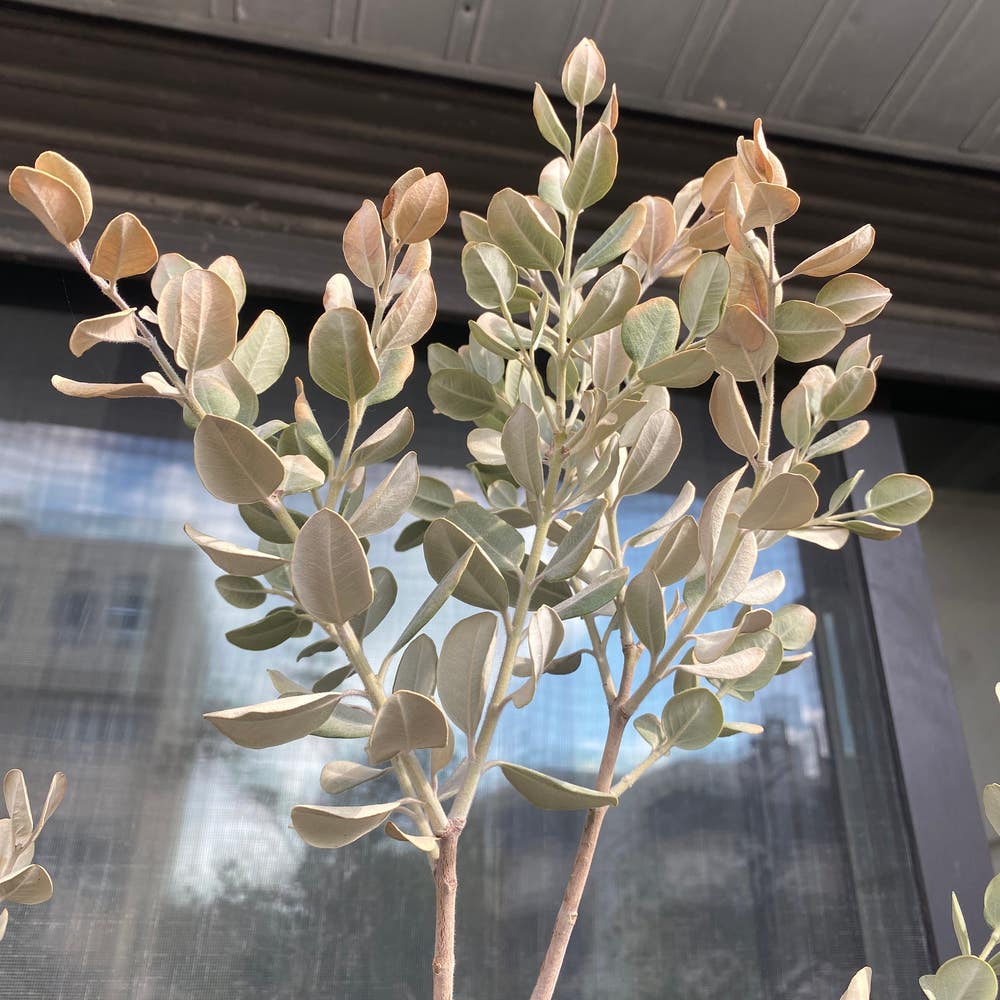
Metrosideros subtomentosa
By the Greg Editorial Team
Nov 08, 2024•7 min read
This article was created with the help of AI so we can cover more plants for you. May contain errors. See one? Report it here.
Cultivate thriving Metrosideros plants by mastering their unique root systems for optimal growth! 🌱
- 🌱 Metrosideros roots spread laterally up to 10 feet, optimizing moisture and nutrient uptake.
- 💧 Consistent moisture is key, but avoid overwatering to prevent root rot.
- 🐛 Monitor for pests like nematodes to maintain healthy root systems and plant vitality.
Root System Characteristics
Type of Root System 🌱
Metrosideros plants boast a fibrous root system characterized by an extensive lateral spread and a relatively shallow depth. This means their roots fan out widely, often reaching up to 10 feet from the base, while typically extending only 1-3 feet deep into the soil.
In contrast to taproot systems, which feature a single, deep root that anchors the plant, fibrous roots allow Metrosideros to absorb moisture and nutrients from a broader area. This adaptability is crucial for their survival in various environments, but it also means that care practices must be adjusted accordingly. For instance, ensuring adequate space for lateral growth is essential to prevent competition with nearby plants.
Understanding these root characteristics is vital for anyone looking to cultivate healthy Metrosideros plants. By recognizing the differences between root systems, you can tailor your care strategies to promote optimal growth and resilience.
Root Depth, Spread, and Growth Patterns
Typical Root Depth and Spread 🌱
Metrosideros plants typically feature a root depth ranging from 1 to 3 feet, depending on the species and the soil conditions they inhabit. Their roots can spread laterally up to 6 to 10 feet from the base, creating a robust network that supports the plant's stability and nutrient uptake.
Growth Patterns and Implications for Care 🌿
The growth patterns of Metrosideros are significantly influenced by the soil type, particularly in coastal and volcanic regions. These plants exhibit remarkable adaptations, showcasing drought resilience and efficient nutrient uptake, which are crucial for thriving in diverse environments.
Understanding these growth patterns is essential for effective care. For instance, the extensive lateral spread necessitates adequate planting space to prevent competition with nearby plants. Additionally, companion planting strategies should consider these root characteristics to promote healthy growth and maximize the benefits of plant interactions.
In summary, recognizing the root depth, spread, and growth patterns of Metrosideros not only enhances your gardening success but also fosters a deeper appreciation for these resilient plants. This knowledge sets the stage for effective watering, fertilizing, and transplanting practices, which we will explore next.
Watering, Fertilizing, and Transplanting
🌱 How Root System Affects Watering Needs
The fibrous root system of Metrosideros requires careful attention to watering. Given their shallow depth and extensive lateral spread, these plants thrive on consistent moisture but are susceptible to waterlogging.
To ensure optimal growth, water frequency should align with the root depth and spread. Regularly check soil moisture, aiming for a balance that keeps the roots hydrated without saturating them.
🌿 Fertilization Strategies Based on Root Characteristics
Fertilizing Metrosideros effectively hinges on understanding their root needs. A balanced NPK fertilizer, such as 10-10-10, is ideal for promoting healthy growth.
Timing is crucial; fertilize during the growing season, ideally in early spring and mid-summer. This approach supports robust root development and overall plant vitality.
🌍 Best Practices for Transplanting Metrosideros
Transplanting Metrosideros can be a rewarding endeavor when done correctly. Here are some best practices to follow:
- Timing: Aim for early spring or fall, when the plant is less stressed.
- Preparation: Water the plant thoroughly before transplanting to reduce shock.
- Technique: Dig a wide root ball to minimize disturbance to the roots.
- Post-transplant care: Water generously and apply mulch to retain moisture and support recovery.
By following these guidelines, you can ensure a smooth transition for your Metrosideros, setting the stage for healthy growth and development.
As we move forward, understanding common root-related issues will further enhance your care strategies.
Common Root-Related Issues
Identification of Common Root Problems 🌱
Root health is crucial for the vitality of Metrosideros plants. One of the most common issues is root rot, which manifests through symptoms like wilting and yellowing leaves. This condition often arises from overwatering or poorly draining soil, leading to a lack of oxygen for the roots.
Another concern is pests that affect root systems, such as nematodes and root weevils. These pests can cause significant damage, leading to stunted growth and overall plant decline. Recognizing these problems early can save your plant from serious harm.
Prevention and Solutions for Root-Related Issues 🛠️
Preventing root rot starts with ensuring well-draining soil. Mixing in sand or perlite can enhance drainage, allowing excess water to escape. Additionally, adopting proper watering techniques—like allowing the top inch of soil to dry out before watering again—can help maintain the right moisture balance.
For pest control, consider using organic methods such as neem oil, which is effective against a variety of pests. Introducing beneficial nematodes into the soil can also help manage harmful nematode populations. These proactive measures can significantly improve root health and overall plant resilience.
By staying vigilant and implementing these strategies, you can keep your Metrosideros thriving and free from root-related issues. Next, we’ll explore how to assess root health through visual cues and other indicators.
Indicators of Root Health
🌱 Visual Cues for Healthy vs. Unhealthy Roots
Healthy roots are a gardener's dream. Look for roots that are firm, with a white or light tan color, and free from any foul odors.
In contrast, unhealthy roots present a troubling sight. They often appear dark and mushy, accompanied by a foul smell and clear signs of rot.
🔍 Other Indicators of Root Health
Beyond the roots themselves, plant vigor is a key indicator of overall health. Pay attention to the growth rate, leaf color, and the plant's general appearance.
Soil moisture levels also play a crucial role. Consistent moisture and effective drainage are essential for maintaining healthy roots and preventing issues down the line.
Understanding these indicators can empower you to take proactive steps in caring for your Metrosideros plants. By monitoring root health, you can ensure robust growth and resilience, setting the stage for thriving plants.
Next, let’s explore common root-related issues that can arise and how to tackle them effectively.
Rootbound Plants
Definition and Signs of Rootbound Conditions 🌱
Rootbound plants occur when their roots grow in circles around the pot, leading to stunted growth. You might notice roots emerging from drainage holes or the plant struggling to absorb water effectively.
When and How to Address Rootbound Issues 🛠️
- Timing: Regular plant inspections can help you spot rootbound signs early.
- Solutions: Repotting into a larger container or root pruning can effectively resolve the issue.
- Techniques for Root Pruning: Cut away the circling roots to encourage new growth and improve overall health.
Addressing rootbound conditions promptly ensures your Metrosideros plants thrive. Healthy roots are essential for optimal growth, so keep an eye on their development to maintain a vibrant garden.
Importance of Healthy Roots in Propagation
🌱 Role of Root Health in Successful Propagation
Healthy roots are crucial for successful propagation of Metrosideros. Robust root systems ensure that cuttings and divisions can establish themselves quickly and thrive.
The overall resilience and growth of the plant heavily depend on root health. Strong roots support nutrient uptake and water absorption, which are vital for vigorous growth.
🛠️ Techniques for Maintaining Root Health During Division
Timing: The best time to propagate is during the plant's dormant season. This minimizes stress and allows for better recovery.
Tools: Always use clean, sharp tools when dividing. This reduces the risk of infection and damage to the roots.
Post-division care: After division, water the plant thoroughly and monitor for signs of stress. Consistent moisture is key to helping the plant recover.
Maintaining healthy roots during propagation not only enhances the success rate but also contributes to the long-term vitality of your Metrosideros plants. With these techniques, you can ensure that your propagation efforts yield strong, resilient plants ready to flourish.
As we move forward, understanding rootbound conditions will further enhance your gardening skills and plant care strategies.
⚠️ Safety First
This content is for general information and may contain errors, omissions, or outdated details. It is not medical, veterinary advice, or an endorsement of therapeutic claims.
Always consult a qualified healthcare professional before using any plant as food, medicine, or supplement.
Never eat any plant (or feed one to pets) without confirming its identity with at least two trusted sources.
If you suspect poisoning, call Poison Control (800) 222-1222, the Pet Poison Helpline (800) 213-6680, or your local emergency service immediately.
Spotted an error? Please report it here.
Unlock the secret to thriving Metrosideros roots 🌱 with Greg's tailored moisture alerts and care tips, ensuring your plants reach their full potential!