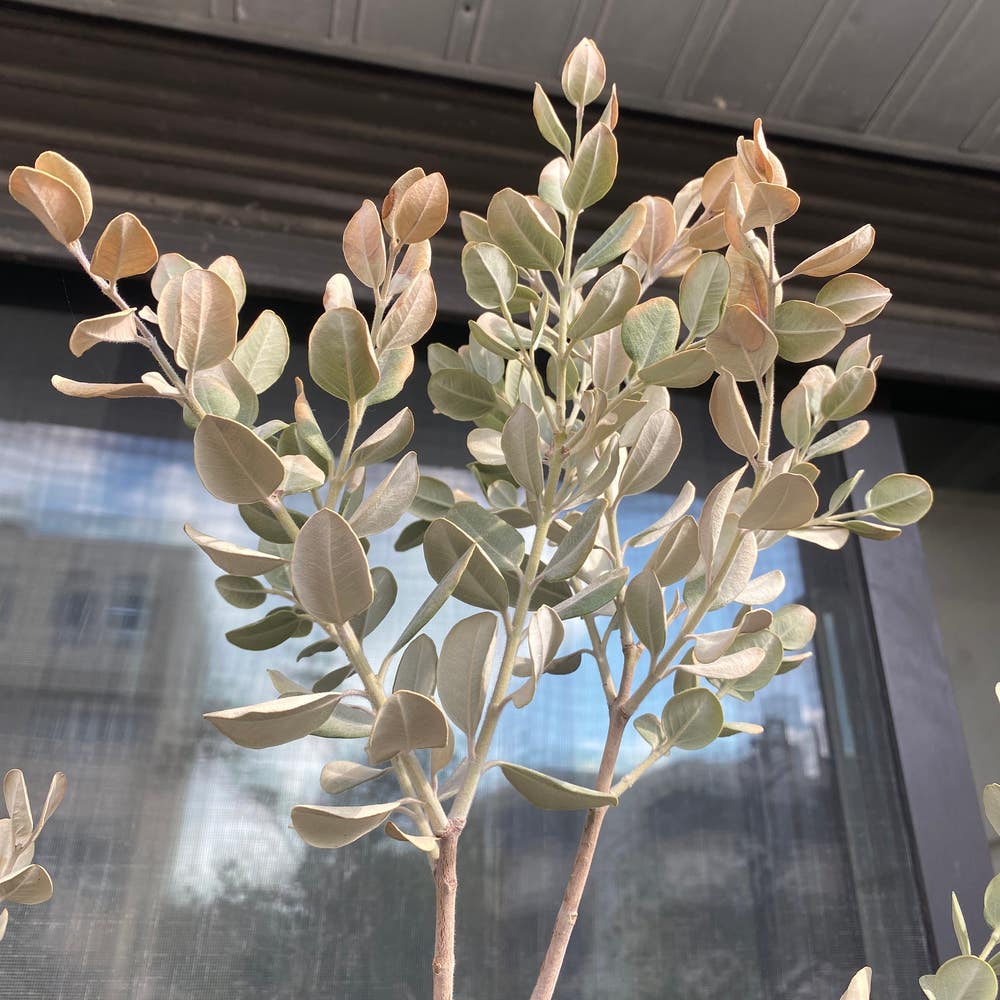
🌳 7 Facts About Metrosideros Lifecycle
Metrosideros subtomentosa
By the Greg Editorial Team
Nov 08, 2024•4 min read
This article was created with the help of AI so we can cover more plants for you. May contain errors. See one? Report it here.
Uncover the resilient lifecycle of Metrosideros 🌱 and learn how to nurture these remarkable plants in any environment!
- 🌱 Metrosideros seeds thrive in 20°C to 25°C with nutrient-rich soil for optimal germination.
- 🌼 Vibrant red flowers bloom in late spring, attracting pollinators for cross-pollination.
- 🌳 Maturity takes 5 to 10 years, with a lifespan of 50 to 100 years.
Stages of Metrosideros Lifecycle
🌱 Germination Stage
Conditions for Germination
The germination of Metrosideros seeds thrives under specific conditions. An optimal temperature range of 20°C to 25°C (68°F to 77°F) is crucial, along with well-draining, nutrient-rich soil.
Light exposure also plays a significant role; indirect sunlight is preferred to foster healthy growth.
Duration of Germination
Typically, germination takes about 2 to 4 weeks. Success during this stage largely depends on factors like soil moisture and temperature stability.
🌿 Seedling Stage
Characteristics of Seedlings
In the seedling stage, Metrosideros plants exhibit small, tender leaves with a vibrant green hue. A robust root system begins to establish, which is essential for nutrient uptake.
Duration of Seedling Growth
This stage lasts on average between 6 to 12 months before the plant transitions to vegetative growth. Environmental factors such as light availability and soil quality significantly impact the growth rate during this period.
🌳 Vegetative Growth Stage
Growth Patterns and Characteristics
During vegetative growth, Metrosideros develops larger, more complex leaves. This stage is marked by rapid vertical growth, especially in the first few years.
The plant shows remarkable adaptability, thriving in various soil types, including nutrient-poor volcanic soils.
Duration of Vegetative Growth
Typically, this growth phase lasts between 2 to 5 years, influenced by species and environmental conditions. Indicators of maturity include an increased trunk diameter and denser foliage.
🌸 Flowering Stage
Flower Characteristics and Timing
Metrosideros plants produce vibrant red flowers, usually blooming from late spring to summer. These striking flowers are not just beautiful; they attract various pollinators, including birds and insects.
Pollination and Fertilization Process
The flowering stage primarily involves sexual reproduction through cross-pollination. Native birds play a crucial role in facilitating this fertilization process, ensuring the continuation of the species.
🌾 Seed Production Stage
Seed Development and Dispersal
Following pollination, seed pods develop, marking the seed production phase. Dispersal methods include both wind and animal-assisted mechanisms, which help spread the seeds far and wide.
Duration of Seed Production
This stage typically lasts about 3 to 6 months from flowering to seed dispersal. Factors such as environmental conditions and genetic diversity can significantly affect seed viability.
As we explore the growth rate and maturation of Metrosideros, we’ll uncover how long it takes for these remarkable plants to reach their full potential.
Growth Rate and Maturation
🌱 How Long Until Metrosideros is Fully Grown?
Metrosideros species typically reach maturity in about 5 to 10 years. However, this timeline can vary significantly based on environmental conditions and specific species traits.
⚙️ Factors Affecting Growth Rate
Several key factors influence the growth rate of Metrosideros:
- Soil Quality: Nutrient-rich, well-draining soil promotes faster growth.
- Climate Conditions: Optimal temperature, humidity, and sunlight exposure are crucial.
- Competition: Nearby vegetation can either hinder or help growth, depending on resource availability.
⏳ Average Lifespan of Metrosideros
The average lifespan of Metrosideros ranges from 50 to 100 years. Longevity is often determined by the plant's resistance to diseases and its ability to adapt to environmental stressors.
Understanding these growth dynamics not only highlights the resilience of Metrosideros but also sets the stage for exploring the notable changes throughout its lifecycle.
Notable Changes Throughout Lifecycle
🌱 Physical Changes During Each Stage
The lifecycle of Metrosideros is marked by distinct physical transformations. During the germination stage, the first sign of life is the emergence of cotyledons, which are the plant's initial leaves.
As the plant progresses to the seedling stage, it develops true leaves and establishes a robust root system. This foundation is crucial for nutrient uptake as the plant prepares for further growth.
In the vegetative growth stage, Metrosideros experiences significant changes, including increased trunk girth and larger leaves. This growth phase is vital for the plant's overall health and stability.
Finally, during the flowering stage, the plant transitions from vegetative structures to reproductive ones. This shift is essential for the continuation of its lifecycle.
🌍 Environmental Adaptations
Metrosideros exhibits remarkable adaptability to its environment. It thrives in diverse soil types, including nutrient-poor volcanic soils, showcasing its resilience.
Additionally, this species can withstand varying moisture levels and drought conditions. Such adaptability ensures its survival across different habitats.
🔄 Changes in Reproductive Strategies Over Time
As Metrosideros matures, its reproductive strategies evolve. Initially, it relies on sexual reproduction, but observations indicate a shift towards asexual reproduction through vegetative propagation in older plants.
Environmental changes also influence these reproductive cycles. Metrosideros adapts its strategies to align with seasonal variations, ensuring its continued success in fluctuating conditions.
This dynamic lifecycle not only highlights the plant's resilience but also its ability to thrive in diverse environments. As we explore the growth rate and maturation of Metrosideros, we’ll uncover how these factors contribute to its longevity and ecological significance.
⚠️ Safety First
This content is for general information and may contain errors, omissions, or outdated details. It is not medical, veterinary advice, or an endorsement of therapeutic claims.
Always consult a qualified healthcare professional before using any plant as food, medicine, or supplement.
Never eat any plant (or feed one to pets) without confirming its identity with at least two trusted sources.
If you suspect poisoning, call Poison Control (800) 222-1222, the Pet Poison Helpline (800) 213-6680, or your local emergency service immediately.
Spotted an error? Please report it here.
Unlock the secrets of Metrosideros' lifecycle 🌿 and let Greg's tailored care reminders guide you to thriving plants at every stage of their journey!