Reasons Why Your Metrosideros Won't Flower
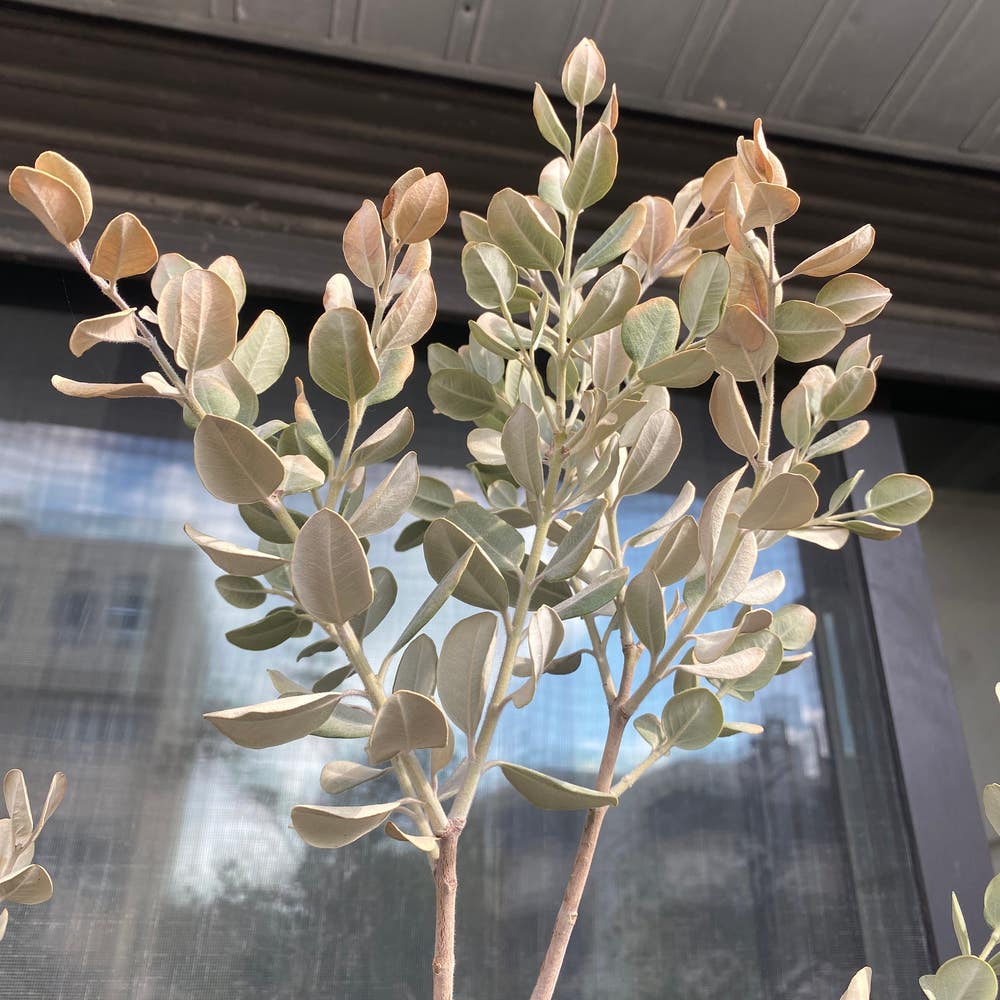
Metrosideros subtomentosa
By the Greg Editorial Team
Nov 08, 2024•4 min read
This article was created with the help of AI so we can cover more plants for you. May contain errors. See one? Report it here.
Revitalize your Metrosideros blooms 🌼 with essential tips on light, nutrition, and care for stunning flowers!
- 🌞 Metrosideros needs 6-8 hours of sunlight daily to bloom effectively.
- 🌱 Nutrient deficiencies, especially phosphorus, hinder flowering; use balanced fertilizer.
- 💧 Environmental stress from inconsistent watering disrupts blooming; ensure proper moisture levels.
Failure to Bloom
🌞 Causes of Failure to Bloom
Insufficient Light
Metrosideros plants thrive in full sun, requiring at least 6-8 hours of direct sunlight daily for optimal flowering. If your plant is shaded, it may struggle to develop blooms, leading to disappointment.
Poor Nutrition
A lack of essential nutrients can significantly hinder flowering. Nutrient imbalances, particularly deficiencies in phosphorus and potassium, can result in weak growth and fewer blooms.
Environmental Stress
Environmental factors play a crucial role in blooming. Both drought and excessive moisture can stress your plant, disrupting its natural bloom cycle and leading to fewer flowers.
🌱 Solutions to Encourage Blooming
Adjusting Light Exposure
To encourage blooming, ensure your Metrosideros receives ample sunlight. If it's currently in a shaded area, consider relocating it to a sunnier spot.
Fertilization Tips
Using a balanced fertilizer high in phosphorus can promote flowering. Apply it during the growing season, following the package instructions for best results.
Improving Soil Conditions
Well-drained soil is essential to prevent root rot and stress. Amending your soil with organic matter can enhance fertility, creating a healthier environment for your plant to thrive.
By addressing these factors, you can help your Metrosideros flourish and enjoy a vibrant display of flowers. Next, let’s explore the issue of premature flower drop and how to prevent it.
Premature Flower Drop
🌊 Causes of Premature Flower Drop
Water Stress
Water stress is a common culprit behind premature flower drop in Metrosideros. Inconsistent watering can lead to bud drop, as both overwatering and underwatering create stress for the plant.
Temperature Fluctuations
Sudden temperature changes can shock your plant, causing flowers to drop prematurely. Extreme heat or cold can disrupt its natural processes, leading to unexpected bud loss.
Pest Infestations
Pests like aphids can weaken your Metrosideros, resulting in flower drop. Look for signs of infestation, such as sticky residue on leaves or distorted foliage, which indicate that your plant needs immediate attention.
🛠️ Solutions to Prevent Premature Flower Drop
Proper Watering Techniques
To prevent premature flower drop, maintain consistent moisture in the soil without waterlogging. Water deeply but infrequently to encourage the development of deep, resilient roots.
Pest Management Strategies
Regularly inspect your plants for pests and address any infestations promptly. Consider using insecticidal soap or neem oil as effective organic control methods to keep your Metrosideros healthy and thriving.
By addressing these factors, you can help your Metrosideros flourish and enjoy a vibrant display of flowers. Next, let’s explore the causes and solutions for abnormal flower development to ensure your plant reaches its full potential.
Abnormal Flower Development
🌱 Causes of Abnormal Flower Development
Nutrient Imbalances
Nutrient imbalances can significantly impact your Metrosideros's flowering potential. Excess nitrogen often results in lush green foliage, but this can come at the cost of flower production. Conversely, deficiencies in potassium or phosphorus can lead to poor flower quality, affecting both size and vibrancy.
Pruning Mistakes
Pruning is a delicate art. Incorrect pruning can inadvertently remove flower buds or weaken the plant, stunting its growth. Timing is crucial; pruning at the wrong moment can hinder optimal flower production.
Disease
Fungal infections pose a serious threat to flower development. These diseases can deform flowers or even prevent blooming altogether. Common issues include root rot and leaf spot, both of which can severely affect the health of your plant.
🌼 Solutions for Healthy Flower Development
Correct Fertilization
To encourage robust flowering, use a fertilizer specifically formulated for flowering plants. This ensures balanced nutrition that supports bloom production. Regularly monitor soil nutrient levels and adjust your fertilization strategy as needed to maintain optimal health.
Proper Pruning Methods
Timing your pruning correctly is essential. Aim to prune after flowering to avoid removing potential buds. Additionally, removing dead or damaged branches can promote healthier growth and improve overall plant vigor.
Disease Management
Implementing good cultural practices is key to preventing disease. Ensure your plant has good air circulation and consider using fungicides when necessary to combat infections. Staying proactive can help maintain the health of your Metrosideros and encourage beautiful blooms.
By addressing these factors, you can foster an environment where your Metrosideros thrives and produces stunning flowers. Next, let’s explore how to prevent premature flower drop, ensuring your blooms stay vibrant and intact.
⚠️ Safety First
This content is for general information and may contain errors, omissions, or outdated details. It is not medical, veterinary advice, or an endorsement of therapeutic claims.
Always consult a qualified healthcare professional before using any plant as food, medicine, or supplement.
Never eat any plant (or feed one to pets) without confirming its identity with at least two trusted sources.
If you suspect poisoning, call Poison Control (800) 222-1222, the Pet Poison Helpline (800) 213-6680, or your local emergency service immediately.
Spotted an error? Please report it here.
Get your Metrosideros to bloom beautifully 🌺 by using Greg's tailored reminders for sunlight, watering, and nutrients to create the ideal care routine!