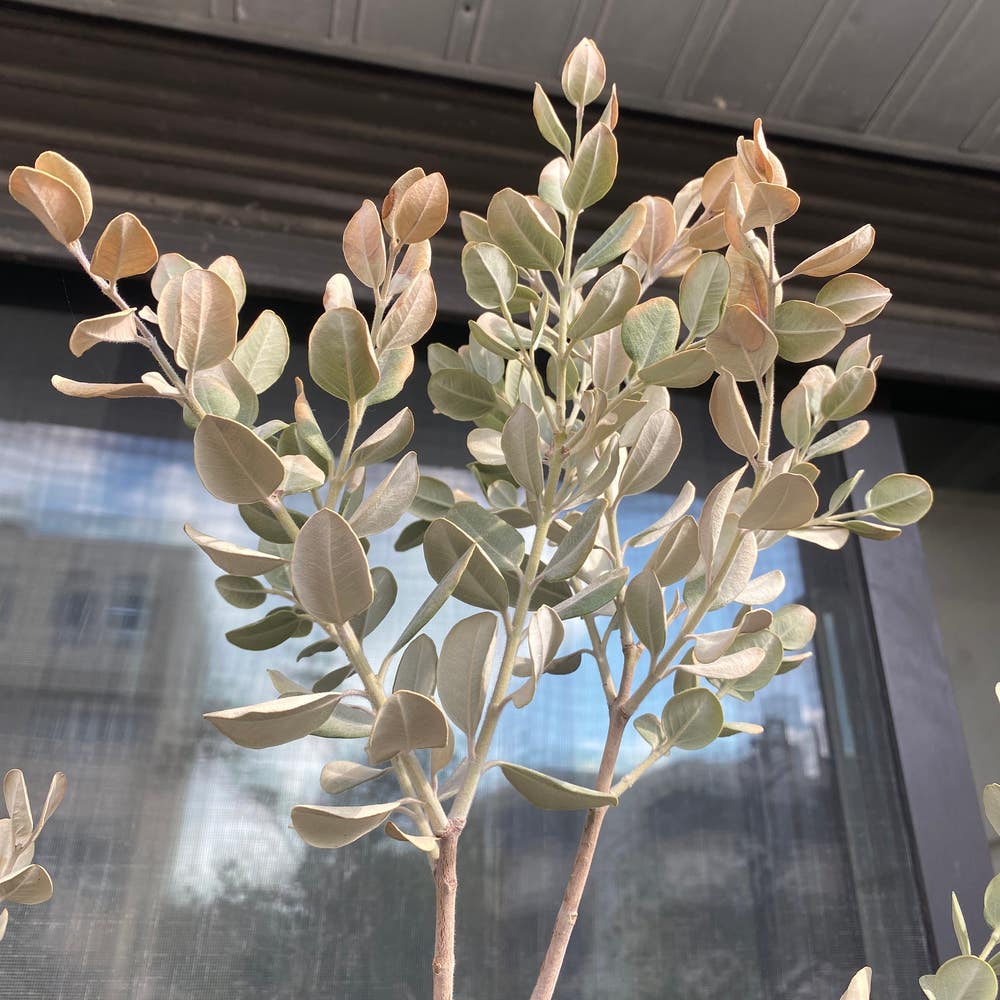
5 Tips for Growing Metrosideros 🌺
Metrosideros subtomentosa
By the Greg Editorial Team
Nov 08, 2024•6 min read
This article was created with the help of AI so we can cover more plants for you. May contain errors. See one? Report it here.
Cultivate stunning Metrosideros in your garden with these essential planting and care tips! 🌱
- ☀️ Metrosideros thrives in full sun; choose your planting site wisely.
- 🌱 Well-draining soil is essential; aim for sandy or loamy types to prevent waterlogging.
- 🌳 Space plants appropriately: 3-6 meters for trees, 1-2 meters for shrubs.
Site Selection and Soil Preparation
🌍 Choosing the Right Location
Selecting the right location for your Metrosideros is crucial for its growth. These plants thrive in full sun, which is essential for optimal flowering.
Space is another important factor. Some species can grow up to 30 meters tall, so ensure you allow ample room for their expansive growth.
🏗️ Soil Type and Preparation Techniques
Metrosideros prefers well-draining sandy or loamy soils. This type of soil helps prevent waterlogging, which can be detrimental to root health.
To prepare your soil effectively, follow these steps:
- Test the soil pH: Aim for a range between 6.0 and 7.5 for best results.
- Amend the soil: Incorporate organic matter to boost fertility and improve soil structure.
🚰 Importance of Drainage and pH Levels
Proper drainage is vital for healthy root systems. Poor drainage can lead to root rot, stunting growth and potentially killing the plant.
If you have heavy soils, consider strategies like raised beds or adding sand to improve drainage. These methods can significantly enhance the growing conditions for your Metrosideros.
With the right location and soil preparation, you're setting the stage for a thriving plant. Next, let’s explore effective planting techniques to ensure your Metrosideros gets off to a great start.
Planting Techniques
Step-by-Step Planting Instructions 🌱
Planting Metrosideros is straightforward and rewarding. Start by selecting healthy seedlings or seeds, ensuring they are free from pests and diseases.
Next, dig a hole that is twice the width of the root ball. This allows the roots to spread out easily.
Position the plant at the same depth it was in the nursery. This is crucial for its growth and stability.
Finally, backfill the hole with soil and water thoroughly. This helps eliminate air pockets and ensures good contact between the roots and soil.
Spacing Requirements for Outdoor Planting 🌳
When planting outdoors, spacing is key for healthy growth. For trees, a distance of 3-6 meters apart is recommended, while shrubs should be spaced 1-2 meters apart.
Consider the purpose of your planting. If you're creating windbreaks or privacy screens, adjust your spacing accordingly to achieve the desired effect.
Container Planting Tips 🪴
Container planting is a great option for Metrosideros, especially in limited spaces. Choose a container that is at least 30 cm in diameter to provide ample room for root development.
Ensure your container has drainage holes to prevent waterlogging. A well-draining potting mix is essential for healthy growth.
When caring for container-grown Metrosideros, pay attention to watering and fertilizing. Regularly check the moisture level and use a balanced fertilizer to promote vibrant growth.
With these planting techniques, you’re well on your way to cultivating beautiful Metrosideros. Next, let’s explore effective watering and fertilizing practices to keep your plants thriving.
Watering and Fertilizing
💧 Watering Frequency and Techniques
Metrosideros thrives with consistent watering, especially during dry spells. Aim for a weekly watering schedule to keep the soil moist but not soggy.
Deep watering is key to promoting strong root growth. This technique encourages roots to reach deeper into the soil, enhancing the plant's resilience.
🌱 Best Fertilizers for Metrosideros
For optimal growth, use balanced NPK fertilizers, such as a 10-10-10 formulation. This ensures your plant receives the essential nutrients it needs.
Timing is crucial; fertilize in early spring to kickstart growth and again in mid-summer to sustain it through the warmer months.
🚨 Signs of Overwatering or Underwatering
Keep an eye out for signs of overwatering, which include yellowing leaves and root rot. These symptoms indicate that your plant is struggling with excess moisture.
Conversely, underwatering can lead to wilting and leaf drop. Regularly check the soil moisture to maintain a healthy balance for your Metrosideros.
With proper watering and fertilizing practices, your Metrosideros will flourish beautifully. Next, let’s explore effective pruning and maintenance strategies to keep your plants healthy and vibrant.
Pruning and Maintenance
🌿 When and How to Prune Metrosideros
Pruning is essential for maintaining the health and aesthetics of your Metrosideros. The best time to prune is late winter to early spring, just before new growth begins.
To prune effectively, focus on thinning out crowded branches. This not only improves air circulation but also shapes the plant for a more appealing look.
🧹 Maintenance Tips for Healthy Growth
Regular inspections are crucial for spotting pests and diseases early. Keep an eye out for any unusual signs, as early intervention can save your plant.
Mulching is another key practice. It helps retain moisture in the soil and suppresses weeds, allowing your Metrosideros to thrive without competition.
🌸 Seasonal Care Routines
Each season brings unique care needs for your Metrosideros.
- Spring: Fertilize and monitor for new growth to ensure your plant is off to a strong start.
- Summer: Adjust your watering routine and check for pests regularly to keep your plant healthy.
- Fall: Prepare for winter by pruning and ensuring your plant is ready to withstand colder temperatures.
By following these pruning and maintenance tips, you can enjoy a vibrant and healthy Metrosideros throughout the year. Next, let’s explore common challenges and solutions to keep your plants thriving.
Common Challenges and Solutions
🐛 Identifying Pests and Diseases
Metrosideros can face a few common pests that may threaten their health. Keep an eye out for aphids, scale insects, and caterpillars, as these can cause significant damage if left unchecked.
In addition to pests, diseases like root rot and leaf spot can also affect your plants. Understanding these issues early can help you take action before they escalate.
🛠️ Solutions for Common Growth Problems
Implementing integrated pest management (IPM) strategies is key to maintaining healthy Metrosideros. This approach combines biological control, habitat manipulation, and resistant varieties to minimize pest impact.
For organic solutions, consider using neem oil or insecticidal soap. These options are effective and environmentally friendly, making them great choices for your garden.
🌊 Tips for Overcoming Environmental Challenges
If you're in a coastal area, addressing salt spray tolerance is crucial for your Metrosideros. Choose varieties known for their resilience to salt and consider planting them in sheltered spots.
Dealing with drought conditions and soil erosion can be challenging, but there are strategies to help. Mulching can retain moisture, while planting cover crops can prevent soil erosion and improve soil health.
By being proactive about these challenges, you can ensure your Metrosideros thrive in any environment. Next, let’s explore the best practices for pruning and maintaining these beautiful plants.
⚠️ Safety First
This content is for general information and may contain errors, omissions, or outdated details. It is not medical, veterinary advice, or an endorsement of therapeutic claims.
Always consult a qualified healthcare professional before using any plant as food, medicine, or supplement.
Never eat any plant (or feed one to pets) without confirming its identity with at least two trusted sources.
If you suspect poisoning, call Poison Control (800) 222-1222, the Pet Poison Helpline (800) 213-6680, or your local emergency service immediately.
Spotted an error? Please report it here.
Grow your Metrosideros to new heights 🌳 with Greg's tailored watering schedules and expert care tips that ensure your plants thrive in any environment!